, to see if you have full access to this publication.
Edited Book No access
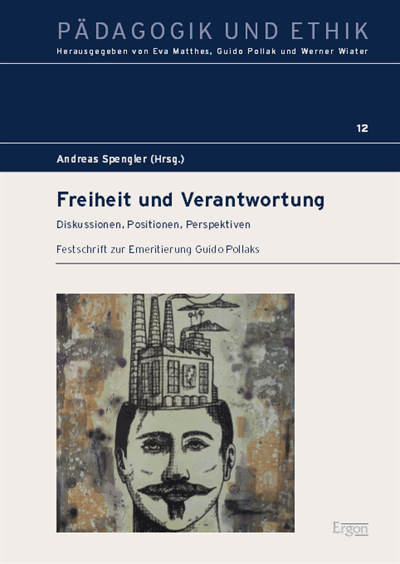
Freiheit und Verantwortung
Diskussionen, Positionen, Perspektiven- Editors:
- Series:
- Pädagogik und Ethik, Volume 12
- Publisher:
- 2018
Keywords
Search publication
Bibliographic data
- Edition
- 1/2018
- Copyright Year
- 2018
- ISBN-Print
- 978-3-95650-493-8
- ISBN-Online
- 978-3-95650-494-5
- Publisher
- Ergon, Baden-Baden
- Series
- Pädagogik und Ethik
- Volume
- 12
- Language
- German
- Pages
- 400
- Product Type
- Edited Book
Table of contents
ChapterPages
- Titelei/Inhaltsverzeichnis No access Pages 1 - 8
- Authors:
- Literatur No accessAuthors:
- Authors:
- 1. Vorbemerkung No accessAuthors:
- 2. Anknüpfung No accessAuthors:
- 3. Vom Sollen und vom Können No accessAuthors:
- 4. Rekonstruktion mit Blick auf die seither veränderte wissenschaftstheoretische Diskurslage No accessAuthors:
- 5. Bilanz und Ausblick No accessAuthors:
- Quellen No accessAuthors:
- Authors:
- Freiheit gibt es nicht. Oder bleibt uns gar nichts anderes übrig, als frei zu sein? No accessAuthors:
- Gefangen im Widerspruch? No accessAuthors:
- Die Zwillingsschwester der Freiheit: Verantwortung No accessAuthors:
- Was hat Schule mit Freiheit und Verantwortung zu tun? No accessAuthors:
- Was ist Erziehung zur Freiheit und Verantwortung? No accessAuthors:
- Wie könnte eine Erziehung zur Verantwortung konkret aussehen? No accessAuthors:
- Fazit No accessAuthors:
- Literatur No accessAuthors:
- Authors:
- Von Mythen und ungleichen Begriffspaaren… No accessAuthors:
- Verantwortung? Verantworten! No accessAuthors:
- Subjekte, Schuld, schlechtes Gewissen und Verantwortlichkeit – Der Fall Nietzsche No accessAuthors:
- Die Verantwortung der Herde No accessAuthors:
- Zum Abschied / Zum Aufbruch No accessAuthors:
- Literatur No accessAuthors:
- Authors:
- Bildungsoffensive für die digitale Wissensgesellschaft No accessAuthors:
- Die Wissensgesellschaft – eine Utopie der Moderne? No accessAuthors:
- Funktionale Differenzierung und Lebenswelten No accessAuthors:
- Gesellschaftliche Transformation: Digitalisierung und/oder Mediatisierung? No accessAuthors:
- Ökonomische Aspekte der Digitalisierung Ökonomie No accessAuthors:
- Folgen der Mediatisierung der Lebenswelt No accessAuthors:
- Authors:
- (zu 1): Leitkategorien im Bildungssystem einer pluralistischen Gesellschaft No accessAuthors:
- (zu 2) Reformulierung des Bildungsgedankens No accessAuthors:
- (zu 3) Inhaltlich offene Fragen zur Medienkompetenzförderung No accessAuthors:
- Fazit No accessAuthors:
- Quellen No accessAuthors:
- Authors:
- 1 Einleitung No accessAuthors:
- 2 Materiale Werteinstellungserziehung No accessAuthors:
- Authors:
- 3.1 aus psychologischer Perspektive No accessAuthors:
- 3.2 aus erziehungswissenschaftlicher Perspektive No accessAuthors:
- 4 Die Verschränkung von materialer Werteinstellungserziehung und formaler Bewertungserziehung No accessAuthors:
- 5 Nicht Werteerziehung, sondern Fokussierung auf Handlungsnormen No accessAuthors:
- 6 Fazit No accessAuthors:
- Quellen No accessAuthors:
- Authors: |
- 1 Einleitung No accessAuthors: |
- 2 Der Beitrag des deutschen Geschichtsunterrichts zur Demokratieerziehung am Beispiel des bayerischen Lehrplans Geschichte No accessAuthors: |
- 3 Historische Verantwortung als Teilkompetenz historischen Lernens No accessAuthors: |
- 4 „Verantwortung für Afrika?” – Eine Aufgabe zur historischen Verantwortungserziehung No accessAuthors: |
- 5 Zum Zusammenhang von Interesse, Lernstrategien und Leistung No accessAuthors: |
- Authors: |
- 6.1 Fragestellung No accessAuthors: |
- 6.2 Stichprobe No accessAuthors: |
- 6.3 Design No accessAuthors: |
- 6.4 Instrumente No accessAuthors: |
- Authors: |
- 7.1 Deskriptive Befunde zu den Schülerleistungen No accessAuthors: |
- 7.2 Befunde zu Effekten von situationalem Interesse, Fachinteresse und der Klassenzugehörigkeit auf die Qualität der schriftlichen Argumentation No accessAuthors: |
- Authors: |
- a) Entwicklungspsychologische Gründe No accessAuthors: |
- a) Schülermotivation bei Schreibaufgaben No accessAuthors: |
- d) Methodische Gründe No accessAuthors: |
- b) Diskussionskultur im Geschichtsunterricht No accessAuthors: |
- 9 Quellen No accessAuthors: |
- Authors:
- Zeichenunterricht als Mittel der Weltaneignung No accessAuthors:
- Bezug Kunst – Autonomie und Verantwortung No accessAuthors:
- Zum relationalen Ansatz Plessners „Exzentrische Positionalität“ No accessAuthors:
- Bezug: relationale Anthropologie No accessAuthors:
- Relationalität: Eine Didaktik der Beziehung No accessAuthors:
- Fazit und Forschungsdesiderat No accessAuthors:
- Literatur No accessAuthors:
- Authors: |
- Warum ist das Prinzip der Partizipation in der Museumslandschaft relevant? No accessAuthors: |
- Wie kann Partizipation in der Museumspraxis aussehen? No accessAuthors: |
- Partizipation an NS-Gedenkstätten No accessAuthors: |
- Partizipation als Mittel der Wissenskonstruktion No accessAuthors: |
- Partizipation und Verantwortung No accessAuthors: |
- Herausforderungen und Potenziale No accessAuthors: |
- Gelingensbedingungen von Partizipation No accessAuthors: |
- Partizipation für alle und überall? No accessAuthors: |
- Quellen No accessAuthors: |
- Authors:
- Abstract No accessAuthors:
- Das Spannungsfeld No accessAuthors:
- „Niemand wird sich vor dem Beobachtetwerden schützen können – nirgendwo“ (Bauman 2013, S. 33). No accessAuthors:
- Quo vadis nunc Subjekt? No accessAuthors:
- Schlägt die Stunde der Medienpädagogik oder…? No accessAuthors:
- Kreiere Deinen Hybriden No accessAuthors:
- Quellen No accessAuthors:
- Authors:
- Abstract No accessAuthors:
- Vorüberlegungen No accessAuthors:
- Macht und Ohnmacht der Nutzer*innen und Bürger*innen – das Problem No accessAuthors:
- Die Steuerung durch das Artefakt – die Lösung? No accessAuthors:
- Der parahumane Imperativ – ein Lösungsansatz No accessAuthors:
- “Para-Human Rights by Design” – Fazit No accessAuthors:
- Quellen No accessAuthors:
- Authors:
- Digitale Medien im Spannungsfeld von Industrialisierungs-, Demokratisierungs- und Bildungsprozessen No accessAuthors:
- Inklusionspotenziale und Inklusionsherausforderungen der digitalen Revolution No accessAuthors:
- Literatur No accessAuthors:
- Authors:
- Die Entfaltung der Hochschullehre(r) No accessAuthors:
- Der Geist der Universität No accessAuthors:
- Der akademische Kapitalismus No accessAuthors:
- Die Bildung der Hochschule No accessAuthors:
- Die persönliche Bildung No accessAuthors:
- Literatur No accessAuthors:
- Authors:
- Grundproblem der ideellen Raumgestaltung No accessAuthors:
- Akademische Freiheit No accessAuthors:
- Allgemeine und kulturelle Bedingungen No accessAuthors:
- Utopie und Heterotopie in der modularisierten Studienwelt No accessAuthors:
- Authors:
- Subversion als Freiheitsmerkmal No accessAuthors:
- Energetisierung der Handlung No accessAuthors:
- Innerhalb oder außerhalb des formalen Studienanlasses No accessAuthors:
- Anleitung No accessAuthors:
- Implementierung No accessAuthors:
- Zwei eigene Versuche No accessAuthors:
- Grenzen der Implementierung No accessAuthors:
- Ausblick No accessAuthors:
- Quellen No accessAuthors:
- Authors:
- Abstract No accessAuthors:
- 1 Culture Shock No accessAuthors:
- 2 Theorie sozialer Identität No accessAuthors:
- 3 Kulturelles Lernen No accessAuthors:
- 4 Stresstheoretischer Ansatz und Kulturelle Anpassung No accessAuthors:
- 5 Einflussfaktoren auf den Interkulturellen Erfolg No accessAuthors:
- Quellen No accessAuthors:
- Authors: |
- Motivationen zum Szeneeinstieg – Skepsis gegenüber moderner und Präferenz traditioneller Freiheitskonzepte No accessAuthors: |
- Methodologie No accessAuthors: |
- Analyse No accessAuthors: |
- Literatur No accessAuthors: |
- Authors:
- Das eigene Ich als Bezugspunkt des Lebens No accessAuthors:
- Das Motiv der Entsagung No accessAuthors:
- Varianten der richtigen Erziehung No accessAuthors:
- Die natürliche Erziehung im Haus No accessAuthors:
- Das Ende: Einsamkeit No accessAuthors:
- Quellen No accessAuthors:
- Authors:
- Authors:
- 1.1 Begriffs- und sozialgeschichtliche Hinweise No accessAuthors:
- 1.2 Wohlwollen und Wohltaten No accessAuthors:
- 1.3 Tugendfreundschaften und Nutzenfreundschaften No accessAuthors:
- 1.4 Familie, Freundschaft und Gesellschaft No accessAuthors:
- Authors:
- 2.1 Das Problem der Epochenschwelle No accessAuthors:
- 2.2 Freundschaft zwischen Höflichkeit und Tugend No accessAuthors:
- 2.3 Der Freundschaftskult der Dichterbünde No accessAuthors:
- 2.4 Freundschaftszirkel und Geselligkeit No accessAuthors:
- Authors:
- 3.1 Freundschaft im Kontext semifiktiver ›Daseynsenthüllung‹ No accessAuthors:
- 3.2 Freundschaftsverständnis im Wandel No accessAuthors:
- 3.3 Versuch einer Phänomenologie der Freundschaft No accessAuthors:
- 4. Freundschaft als Erprobung moralischen Handelns No accessAuthors:
- Literatur No accessAuthors:
- Zu den Autorinnen und Autoren No access Pages 375 - 380
- Publikationen von Guido Pollak No access Pages 381 - 400