, to see if you have full access to this publication.
Book Titles No access
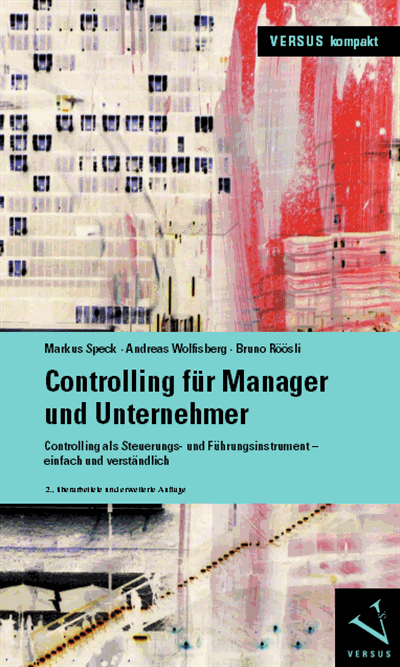
Controlling für Manager und Unternehmer
Controlling als Steuerungs- und Führungsinstrument – einfach und verständlich- Authors:
- | |
- Publisher:
- 2017
Search publication
Bibliographic data
- Copyright year
- 2017
- ISBN-Print
- 978-3-03909-227-7
- ISBN-Online
- 978-3-03909-729-6
- Publisher
- Versus, Zürich
- Language
- German
- Pages
- 214
- Product type
- Book Titles
Table of contents
ChapterPages
- Titelei/Inhaltsverzeichnis No access Pages 1 - 10
- 1 Ausgangslage No access
- 2.1 Ausgangslage No access
- 2.2 Unterschiede zwischen Prognose und Planung No access
- 2.3 Aufgabe der Planung No access
- 2.4 Prozesse der Planung No access
- 2.5 Zielsetzungen der Planung No access
- 2.6 Ebenen der Planung No access
- 2.7 Beyond Budgeting No access
- 3.1 Basis der Ist-Rechnung No access
- 3.2 Unterschiede zwischen Finanz- und Betriebsbuchhaltung No access
- 3.3 Systemischer Zusammenhang No access
- 4.1 Begriff und Entwicklung der Buchhaltung No access
- 4.2 Grundlage der Finanzbuchhaltung No access
- 4.3 Datenverarbeitungsprozess No access
- 4.4 Bilanz No access
- 4.5 Erfolgsrechnung No access
- 4.6 Geldflussrechnung (Mittelflussrechnung) No access
- 4.7 Aufgaben der Finanzbuchhaltungsabteilung No access
- 5.1 Ausgangslage No access
- 5.2 Sachliche Abgrenzungen No access
- 5.3 Kostenstellenrechnung No access
- 5.4 Kostenträgerrechnung No access
- 5.5 Kostenrechnungssysteme No access
- 6.1 Ausgangslage No access
- 6.2 Kalkulationsverfahren No access
- 6.3 Umfang der Zurechnung No access
- 6.4 Kalkulationszeitpunkt No access
- 6.5 Kalkulationsprobleme No access
- 6.6 Bedeutung der Kalkulation No access
- 7.1 Ausgangslage No access
- 7.2 Preisfindung und Preisbeurteilung No access
- 7.3 Sortimentsanalyse No access
- 7.4 Eigen- oder Fremdfertigung (make or buy) No access
- 7.5 Target Costing und Lifecycle Costing No access
- 7.6 Wirtschaftlichkeitsrechnungen No access
- 7.7 Investitionsentscheidungen No access
- 7.8 Bedeutung von Entscheidungsrechnungen No access
- 8.1 Ausgangslage No access
- 8.2 Daten aus der Finanzbuchhaltung No access
- 8.3 Daten aus der Betriebsbuchhaltung No access
- 8.4 Erfolgsrechnungen No access
- 8.5 Kennzahlen No access
- 8.6 Balanced Scorecard No access
- 8.7 Leitsätze eines MIS No access
- 9.1 Ausgangslage No access
- 9.2 Denkweise im Controlling No access
- 9.3 Der Controller als Person No access
- 9.4 Controlling in der Organisation No access
- 9.5 Instrumente des Controllings No access
- 9.6 Das Rechnungswesen als Messinstrument No access
- 9.7 Controlling und wertorientierte Führung No access
- 9.8 Der Controlling-Dialog No access
- 9.9 Grundsätze im Controlling No access
- Aktiven No access
- Balanced Scorecard – Definition No access
- Balanced Scorecard – Entwicklung No access
- Benchmarking No access
- Betriebsabrechnungsbogen No access
- Bewertung von langfristigen Aufträgen No access
- Beyond Budgeting No access
- Controlling-Dialog No access
- Corporate Governance No access
- Doppelte Buchhaltung No access
- Dynamische Investitionsrechnungen No access
- Erfolgsrechnung No access
- Erfolgsrechnung auf Kostenartenebene No access
- Erfolgsrechnung auf Kostenträgerebene No access
- Geldflussrechnung No access
- Gesetzliche Vorschriften No access
- Internes Kontrollsystem (IKS) No access
- Investitions-Controlling No access
- Kalkulationsprobleme No access
- Kalkulationsverfahren No access
- Kalkulationszeitpunkt No access
- Kontenrahmen und Kontenplan No access
- Kostenrechnungssysteme No access
- Kostenstellenrechnung No access
- Kostenträgerrechnung No access
- Leitbild No access
- Lifecycle Costing No access
- Liquiditätsrechnung No access
- Operative Planung No access
- Operative Planung – Vertiefung No access
- Passiven No access
- Planung No access
- Produktivitäts-Controlling No access
- Projekt-Controlling No access
- Rechnungslegungsstandards No access
- Risikomanagement und -Controlling No access
- Sachliche Abgrenzungen No access
- Statische Investitionsrechnungen No access
- Strategische Planung No access
- Systemische Voraussetzungen No access
- Target Costing No access
- Teilpläne (Einzelne Pläne) No access
- Wertorientierte Führung No access
- Fallbeispiel 1: Controlling-Konzept der Aerni AG No access
- Fallbeispiel 2: Integriertes Controlling No access
- Fallbeispiel 3: Entscheidungsrechnungen No access
- Fallbeispiel 4: Investitions-Controlling und Lifecycle Costing No access
- Fallbeispiel 5: Kennzahlen No access
- Fallbeispiel 6: Die Betriebsabrechnung – unverzichtbares Werkzeug in der finanziellen Führung No access
- Literatur No access Pages 205 - 206
- Stichwortverzeichnis No access Pages 207 - 212
- Die Autoren No access Pages 213 - 213
- Impressum No access Pages 214 - 214