, um zu prüfen, ob Sie einen Vollzugriff auf diese Publikation haben.
Monographie Kein Zugriff
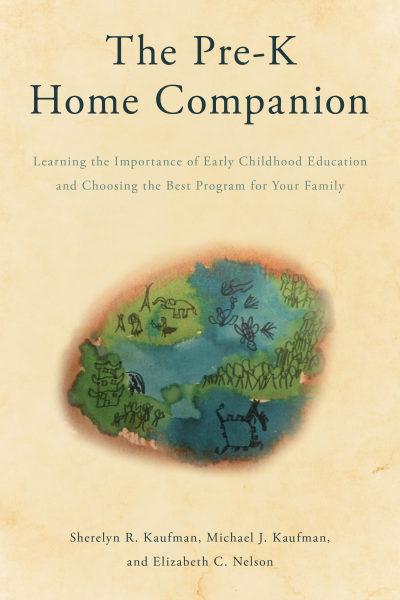
The Pre-K Home Companion
Learning the Importance of Early Childhood Education and Choosing the Best Program for Your Family- Autor:innen:
- | |
- Verlag:
- 2016
Schlagworte
Publikation durchsuchen
Bibliographische Angaben
- Copyrightjahr
- 2016
- ISBN-Print
- 978-1-4758-2157-4
- ISBN-Online
- 978-1-4758-2159-8
- Verlag
- Rowman & Littlefield, Lanham
- Sprache
- Englisch
- Seiten
- 183
- Produkttyp
- Monographie
Inhaltsverzeichnis
KapitelSeiten
- Contents Kein Zugriff
- Preface Kein Zugriff
- Acknowledgments Kein Zugriff
- Introduction: How Can This Book Be a Helpful Companion? Kein Zugriff
- 1 Why Is Early Childhood Education Important? Kein Zugriff
- A. Option 1: State-Funded Pre-K Programs Kein Zugriff
- 1. Is My Child Eligible for Head Start? Kein Zugriff
- 2. What Is Head Start’s Approach? Kein Zugriff
- 3. Will Head Start Meet My Child’s Special Developmental Needs? Kein Zugriff
- 4. Where Can I Apply for Head Start? Kein Zugriff
- C. Option 3: Federally Funded Special Education Programs Kein Zugriff
- D. Option 4: Private and Religious Programs Kein Zugriff
- E. Option 5: Public-Private Partnerships and Sliding-Scale Funding Kein Zugriff
- A. Direct Instruction of Traditional Academic Skills Kein Zugriff
- 1. The Foundations of the Constructivist Approach Kein Zugriff
- 2. An Example of the Constructivist Approach: Montessori-Inspired Programs Kein Zugriff
- 1. The Foundations of the Social Constructivist Approach Kein Zugriff
- 2. An Example of the Social Constructivist Approach: Programs Inspired by the Schools of Reggio Emilia, Italy Kein Zugriff
- A. The Social Constructivist Approach Produces Educational, Social, and Economic Benefits for All Children Kein Zugriff
- 1. The Social Constructivist Approach Develops Healthy Attachment Relationships Kein Zugriff
- 2. The Social Constructivist Approach Develops Intersubjectivity Kein Zugriff
- 3. The Social Constructivist Approach Develops the Healthy Integration of Cognitive Processes Kein Zugriff
- 4. The Social Constructivist Approach Develops Habits of Well-Being Kein Zugriff
- 5. The Social Constructivist Approach Develops Executive Function Kein Zugriff
- A. Corporal Punishment and Physical Restraints Kein Zugriff
- B. Timeouts and In-School Suspensions Kein Zugriff
- C. Restorative Justice Kein Zugriff
- 6 What Is the Best Approach to Technology in an Early Childhood Education Program? Kein Zugriff
- 1. The Individuals with Disabilities Education Act (IDEA) Kein Zugriff
- 2. Part C of IDEA Kein Zugriff
- 3. Part B, Section 619 of IDEA Kein Zugriff
- 4. Section 504 of the Rehabilitation Act of 1973 Kein Zugriff
- 5. Americans with Disabilities Act (ADA) Kein Zugriff
- 6. Head Start Act Kein Zugriff
- 7. Child Care and Development Block Grant Act (CCDBG) Kein Zugriff
- 1. The Decision to Seek an Evaluation and Referral Kein Zugriff
- 2. The Child Find Process: The School District’s Obligation to Identify Children in Need of Special Education Services Kein Zugriff
- 3. Partnering with Your School to Develop and Implement an Individualized Education Program Kein Zugriff
- C. The Benefits to All Children of Special Education Inclusion Kein Zugriff
- 8 Should I Consider the Advantages of a Dual-Language Program? Kein Zugriff
- A. Diverse Early Learning Environments Help All Children Learn Kein Zugriff
- B. Diverse Early Learning Environments Help All Children Become Healthy and Productive Citizens Kein Zugriff
- 1. NAEYC Kein Zugriff
- 2. NECPA Kein Zugriff
- 3. NAC Kein Zugriff
- 4. NAFCC Kein Zugriff
- 5. CPR Kein Zugriff
- 1. State Quality Rating Systems Kein Zugriff
- 2. State Early Learning Standards Kein Zugriff
- 1. Part Time Kein Zugriff
- 2. Full Time Kein Zugriff
- 3. Extended Hours Kein Zugriff
- 4. Year-Round Care Kein Zugriff
- B. Location Kein Zugriff
- C. Schedule Kein Zugriff
- D. Sick Care Kein Zugriff
- E. Transportation Kein Zugriff
- F. Where Neighborhood Children Go to School Kein Zugriff
- G. Grouping of Children within the School Kein Zugriff
- H. Approaches and Philosophy Kein Zugriff
- I. Language Used: Play-Based versus Academic Kein Zugriff
- J. Class Size Kein Zugriff
- K. Teacher/Student Ratio Kein Zugriff
- L. Teachers Kein Zugriff
- M. Space Kein Zugriff
- N. Materials Kein Zugriff
- O. Interactions Kein Zugriff
- P. Warmth Kein Zugriff
- Q. Miscellaneous Factors Kein Zugriff
- 1. Curriculum Kein Zugriff
- 2. Approach Kein Zugriff
- 1. The School Kein Zugriff
- 2. The Teacher Kein Zugriff
- C. What Should I Consider When Visiting with Administrators and Teachers? Kein Zugriff
- A. Connecting at the School Kein Zugriff
- B. Connecting Outside the School Kein Zugriff
- C. How to Connect Kein Zugriff
- 1. Invitation Kein Zugriff
- 2. Studio Days Kein Zugriff
- 3. Reflecting on Parent and Child Studio Days through a Lens of Co-Construction Kein Zugriff
- 1. Ideas Flow from Child to Child Kein Zugriff
- 2. Ideas Flow Between Materials and Children Kein Zugriff
- 3. Ideas Flow from Adult to Child Kein Zugriff
- 4. Ideas Flow from Adult to Child to Adult and On and On Kein Zugriff
- 5. Ideas Flow from Adult to Adult Kein Zugriff
- 1. Viewing Documentation through a Lens of Habits of Mind Kein Zugriff
- 2. Viewing Documentation through a Lens of Domains Kein Zugriff
- 3. Viewing Documentation through a Lens of Subject Disciplines Kein Zugriff
- 4. A Second Way to Build Relationships between Home and School Kein Zugriff
- 1. Observing Kein Zugriff
- 2. Recording Kein Zugriff
- 3. Interpreting Kein Zugriff
- 4. Sharing Kein Zugriff
- B. Practicing Documentation to Deepen Learning Kein Zugriff
- C. Using Documentation to Make Learning Visible to Multiple Stakeholders Kein Zugriff
- 1. Prioritize Relationships Kein Zugriff
- 2. Model Collaboration Kein Zugriff
- 3. Support the Multiple Languages of Your Child Kein Zugriff
- 4. Give Your Child Time to Explore Kein Zugriff
- 5. Give Your Child Time to Create Kein Zugriff
- 6. Do Not Be Distracted by Unreliable Short-Term Measures of Academic Performance Kein Zugriff
- 7. Develop Habits of Mindfulness Kein Zugriff
- B. A Social Constructivist Tool Kit of Shared Practices Kein Zugriff
- 16 How Can I Help to Extend My Child’s Learning in Later Schooling? Kein Zugriff
- A. Citizenship and Service Projects Kein Zugriff
- B. School Collaboration Kein Zugriff
- C. Connecting Children to the City through Shared Explorations Kein Zugriff
- D. Outdoor Learning Kein Zugriff
- A. Why Should I Help Increase Access for All Children? Kein Zugriff
- 1. National Executive and Legislative Strategies Kein Zugriff
- 2. State Strategies Kein Zugriff
- 3. Local Strategies Kein Zugriff
- 4. Private Investments in Social Impact or Social Benefit Bonds Kein Zugriff
- 5. Developing Public-Private Partnerships to Expand Access to Early Childhood Education Programs Kein Zugriff
- 6. The Comprehensive Strategy: Supporting Professional Educators Kein Zugriff
- Conclusion Kein Zugriff Seiten 167 - 168
- Legend Kein Zugriff
- References Kein Zugriff Seiten 171 - 182
- About the Authors Kein Zugriff Seiten 183 - 183