, um zu prüfen, ob Sie einen Vollzugriff auf diese Publikation haben.
Sammelband Kein Zugriff
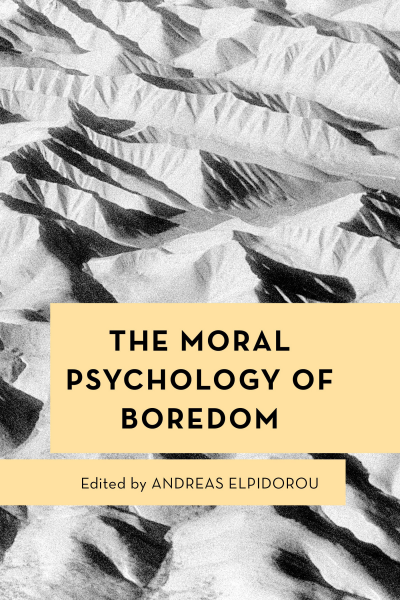
The Moral Psychology of Boredom
- Herausgeber:innen:
- Verlag:
- 2022
Schlagworte
Publikation durchsuchen
Bibliographische Angaben
- Copyrightjahr
- 2022
- ISBN-Print
- 978-1-78661-538-1
- ISBN-Online
- 978-1-78661-539-8
- Verlag
- Rowman & Littlefield, Lanham
- Sprache
- Englisch
- Seiten
- 324
- Produkttyp
- Sammelband
Inhaltsverzeichnis
KapitelSeiten
- Contents Kein Zugriff
- Introduction Kein Zugriff
- 1. How Emotions Steer Morality Kein Zugriff
- 2. How Boredom Steers Moral Decision-Making Kein Zugriff
- 3. Charting a Better Course Kein Zugriff
- References Kein Zugriff
- 1. Introduction Kein Zugriff
- 2. Meaning-Regulation Hypotheses of Boredom Kein Zugriff
- 3. Enhancement via Search for Meaning: Aggression and Helping Kein Zugriff
- 4. Protection via Existential Escapes: Food, Sex, and Impulsivity Kein Zugriff
- 5. Meaning as a Resource: Preventing Boredom Kein Zugriff
- 6. Conclusions: Boredom, Meaning-Regulation, and Morality Kein Zugriff
- References Kein Zugriff
- 1. How Do We Learn about Ourselves? Kein Zugriff
- 2. What Does Boredom Tell Us about Our Goals? Kein Zugriff
- 3. What Does It Mean When We Are Constantly Bored? Kein Zugriff
- 4. Trait Boredom as Existential Crisis and Moral Conundrum Kein Zugriff
- 5. Conclusion Kein Zugriff
- References Kein Zugriff
- Notes Kein Zugriff
- References Kein Zugriff
- 1. The Best Way Out Is Always Through Kein Zugriff
- 2. A Boring Experiment Kein Zugriff
- 3. Resolving Boredom Is No Easy Feat Kein Zugriff
- 4. Boredom at the Margins Kein Zugriff
- 5. Oppressed Agency Kein Zugriff
- 6. Conclusion Kein Zugriff
- Notes Kein Zugriff
- References Kein Zugriff
- 1. What Is Boredom? Kein Zugriff
- 2. Individual Moral Decision-Making vs. Social Justice and Equity Kein Zugriff
- 3. Coping, Tolerance, and Mismanagement Kein Zugriff
- 4. Boredom and School Environments Kein Zugriff
- 5. Conclusion Kein Zugriff
- References Kein Zugriff
- 1. Social Class Kein Zugriff
- 2. Boredom and Poverty: An Interactionist Model Kein Zugriff
- 3. From Poverty to Boredom Kein Zugriff
- 4. Poverty and the Experience of Boredom Kein Zugriff
- 5. Responses to Boredom in Poverty Kein Zugriff
- 6. Conclusion Kein Zugriff
- References Kein Zugriff
- 1. Introduction Kein Zugriff
- 2. Emotions as Epistemically Rationally Assessable Kein Zugriff
- 3. Situational Boredom as Epistemically Irrational Kein Zugriff
- 4. Epistemic Functionality Kein Zugriff
- 5. The Epistemic Benefits of Situational Boredom Kein Zugriff
- 6. Conclusions and Implications Kein Zugriff
- Note Kein Zugriff
- References Kein Zugriff
- 1. Emotion and Appetite Kein Zugriff
- 2. Boredom as Cognitive Appetite Kein Zugriff
- 3. The Ethical Significance of Boredom Kein Zugriff
- 4. Conclusion Kein Zugriff
- Notes Kein Zugriff
- References Kein Zugriff
- 1. Boredom Kein Zugriff
- 2. Meaning in Life Kein Zugriff
- 3. Dismissal of Conceptions of Meaning in Life on Grounds of Boredom Kein Zugriff
- 4. Meaning in Life as Interest or Absence of Boredom Kein Zugriff
- 5. Interest Kein Zugriff
- 6. More on Meaningfulness as Interest Kein Zugriff
- 7. Boredom, Interest, Meaninglessness, and Meaning Kein Zugriff
- 8. Life with Interest but No Meaning? Kein Zugriff
- References Kein Zugriff
- 1. Animal vs. Human Literature Kein Zugriff
- 2. A Cross-Species Approach to the Study of Boredom Kein Zugriff
- 3. Animal Boredom and Morality Kein Zugriff
- 4. Conclusions Kein Zugriff
- References Kein Zugriff
- Notes Kein Zugriff
- References Kein Zugriff
- Index Kein Zugriff Seiten 313 - 324