, to see if you have full access to this publication.
Monograph No access
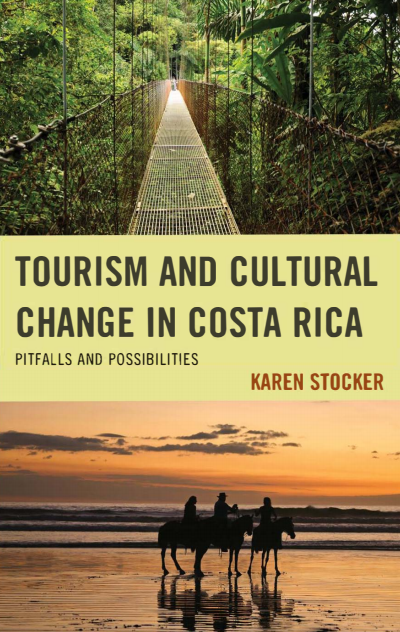
Tourism and Cultural Change in Costa Rica
Pitfalls and Possibilities
Authors:
Publisher:
2013
Summary
This book examines the consequences—positive, negative, and otherwise—of tourism in Costa Rica. Based on ethnographic research and interviews with tourists, tour operators, tourists-turned-settlers, and locals living in tourist destinations, this book brings together these varied perspectives with the aim of presenting forms of tourism beneficial to all parties. To examine both pitfalls and positive outcomes of tourism, it compares modes of tourism in destinations that are locally owned and foreign owned, ecotourism destinations, beach tourism, adventure tourism sites, and agrotourism projects. Furthermore, the author draws from two decades of research in two distinct communities to trace the ways in which the development of tourism in one community provided the springboard for changing gender roles and new opportunities for women, and, in the other, how the promise of tourism has spurred a cultural revitalization and positive change in Indigenous identity.
Interviews with three generations of women in one tourist destination show generational changes in perspectives on tourism, and interviews covering the same time span show how in an Indigenous reservation poised to enter the heritage tourism industry, tourism offers a positive alternative to exploitative forms of labor and the stigma once associated with Indigeneity in that region. Interviews with locals in all four sites reveal the ways in which tourism carried out conscientiously would benefit them. These, juxtaposed with interviews of tourists regarding what they seek through tourism, offer a means of designing a mutually beneficial form of tourism. In sum, this book puts into conversation the varied views of those positioned differently within the realm of tourism in order to inform tourists and foreign land owners as to how they might glean the advantages that such an experience may bring to the traveler, while also playing up the benefits of these endeavors to local communities, and minimizing the potential damage these practices may cause.
Keywords
Search publication
Bibliographic data
Edition
1/2013
Copyright Year
2013
ISBN-Print
978-0-7391-4021-5
ISBN-Online
978-0-7391-4023-9
Publisher
Lexington, Lanham
Language
English
Pages
320
Product Type
Monograph
Table of contents
ChapterPages
Contents No access
Acknowledgments No access
Chapter 1: Introduction No access Pages 1 - 8
Chapter 2: Methodological Considerations No access Pages 9 - 28
Chapter 3: Community Portraits: Two Beach Towns No access Pages 29 - 66
Chapter 4: Nambué, the Chorotega Reservation: Portrait of a Community on the Cusp of Tourism No access Pages 67 - 108
Chapter 5: Montañosa, the Rainforest Community No access Pages 109 - 144
Chapter 6: “The Cows Will Be Your University!”: Positive Effects of Tourism No access Pages 145 - 172
Chapter 7: Negative Effects of Tourism No access Pages 173 - 202
Chapter 8: Performing Local Life in the Reservation No access Pages 203 - 232
Chapter 9: Performing Identity in the Other Communities of Study No access Pages 233 - 252
Chapter 10: Sanitized Tours of Exploitative Work Zones: The Nexus of Tourism and Its Alternatives No access Pages 253 - 278
Chapter 11: Striking a Balance: Possibilities for Responsible Tourism No access Pages 279 - 300