, to see if you have full access to this publication.
Monograph No access
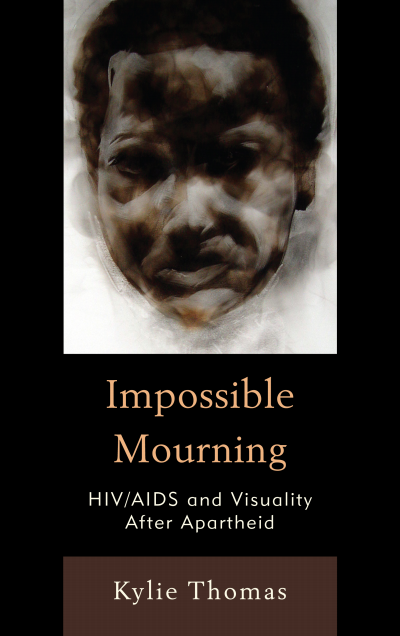
Impossible Mourning
HIV/AIDS and Visuality After Apartheid
Authors:
Publisher:
2013
Summary
Impossible Mourning argues that while the HIV/AIDS epidemic has figured largely in public discourse in South Africa over the last ten years, particularly in debates about governance and constitutional rights post-apartheid, the experiences of people living with HIV for the most part remain invisible and the multiple losses due to AIDS have gone publicly unmourned. This profound fact is at the center of this book which explores the significance of the disavowal of AIDS-death in relation to violence, death, and mourning under apartheid. Impossible Mourning shows how in spite of the magnitude of the epidemic and as a result of the stigma and discrimination that has largely characterized both national and personal responses to the epidemic, spaces for the expression of collective mourning have been few.
This book engages with multiple forms of visual representation that work variously to compound, undo, and complicate the politics of loss. Drawing on work Thomas did in art and narrative support groups while working with people living with HIV/AIDS in Khayelitsha, a township outside of the city of Cape Town this book also includes analyses of the work of South African visual artists and photographers Jane Alexander, Gille de Vlieg, Jillian Edelstein, Pieter Hugo, Ezrom Legae, Gideon Mendel, Zanele Muholi, Sam Nhlengethwa, Paul Stopforth, and Diane Victor.
Keywords
Search publication
Bibliographic data
Edition
1/2013
Copyright Year
2013
ISBN-Print
978-1-61148-534-9
ISBN-Online
978-1-61148-535-6
Publisher
University Press Copublishing, Lanham
Language
English
Pages
170
Product Type
Monograph
Table of contents
ChapterPages
Contents No access
List of Illustrations No access
Acknowledgments No access
Introduction. A Language for Mourning No access Pages 1 - 12
Chapter 1. Speaking Bodies No access Pages 13 - 34
Chapter 2. Passing and the Politics of Queer Loss Post-Apartheid No access Pages 35 - 60
Chapter 3. Traumatic Witnessing: Photography and Disappearance No access Pages 61 - 86
Chapter 4. Mourning the Present No access Pages 87 - 106
Chapter 5. Disavowed Loss During Apartheid and After in the Time of AIDS No access Pages 107 - 122
Chapter 6. Refusing Transcendence: The Deaths of Biko and the Archives of Apartheid No access Pages 123 - 148
Chapter 7. (Without) Conclusion No access Pages 149 - 154
Bibliography No access Pages 155 - 164
Index No access Pages 165 - 168
About the Author No access Pages 169 - 170
Similar publications
from the topics "Gesundheit und Medizin allgemein"