, to see if you have full access to this publication.
Monograph No access
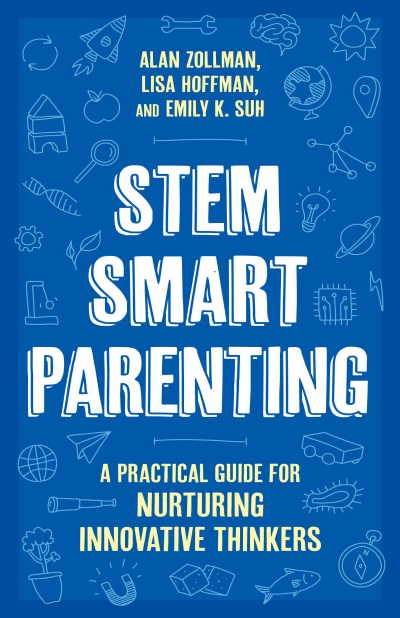
STEM SMART Parenting
A Practical Guide for Nurturing Innovative Thinkers- Authors:
- | |
- Publisher:
- 2025
Keywords
Search publication
Bibliographic data
- Edition
- 1/2025
- Copyright Year
- 2025
- ISBN-Print
- 979-8-8818-0115-1
- ISBN-Online
- 979-8-8818-0116-8
- Publisher
- Rowman & Littlefield, Lanham
- Language
- English
- Pages
- 204
- Product Type
- Monograph
Table of contents
ChapterPages
- Contents No access
- Acknowledgments No access
- Why Focus on STEM Education? No access
- What Qualities Do Kids Need for STEM Success? No access
- How Can We Help Our Children Develop STEM SMART Skills? No access
- What If My Kid Isn’t Interested in STEM? No access
- There’s Not Just One Way to Be STEM SMART No access
- Don’t Lose the STEM in STEAM No access
- How STEM SMART Developed No access
- How to Use This Book No access
- “It’s okay if things are hard.” No access
- Helicopter Parenting and Lawnmower Parents No access
- Stopping the Lawnmower No access
- Developing a Mindset for Productive Struggle No access
- Words Matter: Don’t Raise a Praise Addict No access
- Words Matter: Show Kids We Believe in Them No access
- The Joy of a Challenge No access
- S Is Not for Stubbornness No access
- “It’s okay if problems are tough.” No access
- “Brains act like muscles.” No access
- “I believe in you.” No access
- “Looking back, what do you think?” No access
- “This will be easy.” No access
- “Maybe this just isn’t your thing.” No access
- “I’ll just do it myself.” No access
- Ask Questions to Help Children Find Alternative Solutions No access
- Ask a Child for Help No access
- Choose Activities Just Above a Child’s Current Ability No access
- Accept That Productive Struggle Is Inefficient No access
- Productive Struggle Is Complex No access
- “Mistakes are how we learn.” No access
- Differences of Mistakes: Miscalculation or a Conceptual Misunderstanding No access
- Perils of Perfectionism No access
- Frank Talk about Fragility No access
- STEM Anxiety No access
- “Yet.” No access
- “Learning takes time.” No access
- “Help me understand your thinking.” No access
- “Let’s think about this for a minute.” No access
- “So what did we learn?” No access
- “We don’t have to be perfect.” No access
- “Isn’t this fun?” No access
- “I was always bad at math.” No access
- “Don’t ask why—just get it done.” No access
- Look for the Logic in Your Child’s Errors No access
- Narrate Daily Tasks for Children No access
- Encourage Accountability Rather Than Blame No access
- Ease the Pressure to Keep Learning by Making It Fun No access
- “STEM is everywhere and for everyone.” No access
- Why Do We Need the A in SMART? What Does “STEM for All” Mean? No access
- Why All Children Need the A in SMART No access
- All Means All Sexes and Genders No access
- All Means All Races, Cultures, and Languages No access
- All Means All Abilities No access
- All Means All Locations No access
- All Means All Interests No access
- All Means All Social Groups, Not Just Nerds and Geeks No access
- All Means in All Media—What Kids See and What Kids Hear No access
- Beyond the Media: The Importance of Real-Life STEM Role Models No access
- What Kids Hear from Us: Communicating Great Expectations No access
- All Means in All Times and Places No access
- “Interesting idea—maybe you could invent that!” No access
- “What problems would you like to solve when you grow up?” No access
- “I could see you doing that.” No access
- “Stay within the lines.” No access
- “You’re just smarter than the other kids.” No access
- The Danger of What We Don’t Say No access
- Make STEM Connections to Activities Kids Already Like No access
- Point Out How We All Use and Benefit from STEM Every Day No access
- Be Honest with Ourselves about Our STEM Stereotypes No access
- Introduce STEM Role Models Who Look Like Our Children . . . and Those Who Don’t No access
- Find Stories of Role Models to Paint a Bigger Picture for Your Child No access
- Remember That Children Can Develop STEM SMART Skills in Diverse Ways No access
- Give All Your Kids Opportunities to Contribute No access
- Tell the Untold Stories No access
- “Go ahead and try it! Challenge yourself.” No access
- Intellectual Risk Comes from Curiosity and a Sense of Wonder No access
- Embrace the Questions No access
- Adults Have to Take Risks to Allow Children to Take Risks No access
- Rewarding Risk-Taking Means Giving Kids Time and Space No access
- Breaking Our Own Boundaries No access
- Expertise Is Not Always the Goal No access
- When Children Aren’t Interested in Taking Risks No access
- “I wonder how that works. I wonder why that happens.” No access
- “What a good question!” No access
- “Here’s a chance to learn something new!” No access
- “You can let fear advise you, but don’t let it control you.” No access
- “That’s a bad idea.” No access
- “Don’t get dirty!” No access
- “You’re too slow.” No access
- “Don’t even think about it.” No access
- Give Children Time to Tinker No access
- Create Intentional Environments That Reward Risk-Taking No access
- Value the Object of Your Child’s Unique Curiosity No access
- Think Tools Rather Than Toy Kits No access
- Give Children a Space in Which to Keep Their Discoveries No access
- Offer Opportunities for Kids to Share Their Work No access
- Preserve Analog Time in a Digital World No access
- Give Children Some of Your Unplugged Attention and Experience Wonder Together No access
- “Think before you trust.” No access
- Stop and Think: What Does It Mean to Think Critically? No access
- Evaluating Online Information No access
- Outside the Box: Encouraging Divergent Thinking No access
- Sorting through the Junk (Science): Separating Fact from Myth No access
- “What do you think? Why is that?” No access
- “I wonder where they got their information.” No access
- “How could we verify if that is true?” No access
- “Let’s look at this from another perspective.” No access
- “Stop and think.” No access
- “I think you can answer this yourself. Take a few seconds and think it through.” No access
- “Don’t ask why. Just get it done.” No access
- “Because I said so.” No access
- Shift Your Default Response from Answering to Asking No access
- Consider Kids’ Odd Ideas No access
- Encourage Kids to Record Thoughts and Ideas No access
- Spot Bad Arguments Together No access
- Would You Rather? No access
- Consider Activities Such as Speech and Debate No access
- Look Beyond “Kits” to Toys That Allow Divergent Thinking No access
- Utilize Reliable Digital Resources to Teach Media Literacy No access
- Spot Faulty Arguments Together No access
- When in Doubt, Ask a Librarian No access
- The Role of Rationality No access
- SMARTIE: Internally and Externally Focused Life Skills No access
- Internal Skills: Keeping Yourself Together and Getting Things Done(Self-Regulation and Executive Function) No access
- External Skills: No STEM SMART Kid Is an Island No access
- Does This Activity Allow Both Success and Challenge? No access
- Does the Material or Game Require Time and Effort to Accomplish a Goal? No access
- Does the Activity Allow for Improvement and Confidence Building over Time? No access
- Does the Toy or Product Have Only One Set, Scripted Procedure, or Does It Allow Creativity? No access
- Does the Resource Have More Than One Solution? No access
- Does the Activity Require Trial and Error? No access
- Does the Activity Require Strategic Guessing? No access
- Does the Activity Reward Trying Again and Adjusting Strategies after Failure? No access
- Does the Resource Have a Built-In Feedback Loop? No access
- Do Kids Know How Mistakes Have Improved Our World? No access
- Does the Toy or Resource Support Your Child’s Natural Interests? No access
- Have You Looked for Books, Media, and Toys That Feature Children from Diverse Backgrounds and with Diverse Abilities? No access
- For Children Who Love History, Have You Considered Stories That Depict Stem Smart Skills from Different Periods in Time? No access
- Do Our STEM SMART Stories Have a Wide Variety of Storytellers? No access
- Have You Considered Resources That Support STEM SMART Skills Even If They Don’t Focus on STEM Content? No access
- How Can You Arrange a Way for Children to Keep and Showcase Their Collections? No access
- Does the Resource Give Children Time to Tinker? No access
- Do You Play Games That Reward Taking Risks? No access
- Are You Willing to Allow Acceptable Risks? No access
- Does This Activity Encourage Child-Led Play? No access
- Does the Activity Encourage Initiative? No access
- Does the Activity Reward Divergent Thinking? No access
- Does the Toy Allow Children to Create Their Own Questions and Solutions? No access
- Does the Activity Allow Children to Organize Their Thinking? No access
- Does the Activity Allow Children to Spot Problems in Critical Thinking? No access
- Does This Activity Encourage Patient Observation Rather Than Instant Gratification? No access
- Have You Considered STEM SMART Playthings That Aren’t Toys at All? No access
- How Can You Increase the Amount of Unplugged Attention You Can Give Your Child? No access
- You Can Find Video Games and Apps Designed for Every Activity under the Sun. But Should You? No access
- It Ain’t the Toy That Makes the Difference No access
- Changing Pressures in Schools No access
- Why It’s Good That Schools Teach Differently Now No access
- STEM SMART at Different Ages and Stages No access
- STEM Enrichment and Acceleration No access
- How to Talk with Your Child’s Teacher No access
- Supporting STEM SMART Schools Outside the Classroom No access
- Why a STEM SMART Identity? No access
- How Do Kids Develop STEM SMART Identities? No access
- Growth Mindset Self-Identity No access
- Belonging No access
- Purpose and Relevance No access
- Don’t Give Up No access
- Expect Success and Name Success When You See It No access
- Talk the Talk No access
- Walk the Walk No access
- Watch Who Has Control No access
- Look Out for Learned Helplessness No access
- Keep Developing Your Own STEM SMART Mindset, Tenacity, and Thinking Skills No access
- Remember Role Models Must Be Honest No access
- It’s Their STEM SMART Identity, Not Ours No access
- STEM SMART Is a Process, Not a Product No access
- Chapter 1 No access
- Chapter 2 No access
- Chapter 3 No access
- Chapter 4 No access
- Chapter 5 No access
- Chapter 6 No access
- Chapter 7 No access
- Chapter 8 No access
- Chapter 9 No access
- Chapter 10 No access
- Bibliography No access Pages 179 - 194
- Index No access Pages 195 - 202
- About the Authors No access Pages 203 - 204