, um zu prüfen, ob Sie einen Vollzugriff auf diese Publikation haben.
Monographie Kein Zugriff
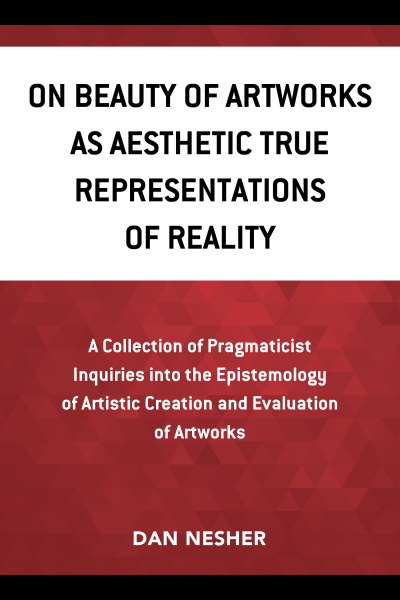
On Beauty of Artworks as Aesthetic True Representations of Reality
A Collection of Pragmaticist Inquires into the Epistemology of Artistic Creation and Evaluation of Artworks- Autor:innen:
- Verlag:
- 2022
Schlagworte
Publikation durchsuchen
Bibliographische Angaben
- Auflage
- 1/2022
- Copyrightjahr
- 2022
- ISBN-Print
- 978-0-7618-7295-5
- ISBN-Online
- 978-0-7618-7296-2
- Verlag
- Hamilton Books, Lanham
- Sprache
- Englisch
- Seiten
- 356
- Produkttyp
- Monographie
Inhaltsverzeichnis
KapitelSeiten
- Contents Kein Zugriff
- List of Figures Kein Zugriff
- Acknowledgments Kein Zugriff
- The Philosophical Problem of the Beauty and Truth of Created Artworks in Aesthetic Representation of Reality Kein Zugriff
- The Epistemology of Aesthetic Science and How We Can Judge by the Epistemic Logic the Aesthetical Objective Truth and Beauty of Created Artworks Kein Zugriff
- The Origins of My Inquiries on the Nature of the Aesthetic Science and Then, What, After All, is a Work of Art? Kein Zugriff
- The Difficulty That My Inquiries on the Philosophy of Aesthetic and Theoretical Sciences Have Faced Within the Established Neo-Kantian Philosophical Paradigm, in the Attempts to Develop a Peircean Realist Epistemology Kein Zugriff
- Human Cognition Can Be a Meaningful Representation of Reality Kein Zugriff
- The Pragmaticist Realist Epistemology Explaining Our Meaning Interpretation of Cognitions in Their True Representation of Reality and the Nature of an Aesthetic Representation of It Kein Zugriff
- The Nature of the Artist’s Aesthetic Creation and Representation of Reality Kein Zugriff
- The Nature of the Judgment of Beauty Kein Zugriff
- How Do We Make Our Aesthetic Judgment of Artworks Objective? Kein Zugriff
- How to Make Our Conception of Beauty Clear and Distinct? Kein Zugriff
- Kant’s Pure Aesthetic Judgment of Reflection on the Harmony of Faculties That Determines the Feeling of Pleasure and Beauty Kein Zugriff
- Kant’s Aesthetic Theory of the Creation of Artwork: On the Genius Kein Zugriff
- Kant’s Two Aesthetic Theories: Genius’s Creativity and Aesthetic Judgment of Taste Kein Zugriff
- Analytic Philosophy’s Formal Semantic Conception of Interpretation and the Referential Representation of Physical Reality, and Its Shortcomings Kein Zugriff
- The Phenomenological Hermeneuticians’ Conceptions of Interpreting and Representing Being as Truth, and Their Shortcomings Kein Zugriff
- The Function of Reflective Self-Control of Interpretation and Representation of Physical Reality and Psychical Reality as Two Operations of Human Knowledge Kein Zugriff
- Artistic Creations Are Based on Human Experience Epitomized in Aesthetic Modes of Representing Reality Kein Zugriff
- Is the Beauty of an Artwork Only of Subjective Feeling or is Objective in Respect to the Artistic Experience and Creation in Its True Representation of Reality? Kein Zugriff
- Interpretation is Always of Cognitive Signs in Their Operation of Representing Reality Kein Zugriff
- The Aesthetic Knowledge and Its Function in Human Life Kein Zugriff
- The Creation of Artworks From the Artistic Human Life Experience and How They Represent and Affect it Kein Zugriff
- The Complete Proof of Our Cognitive Signs is the Sequence of the Logical Trio of Abduction, Deduction, and Induction Kein Zugriff
- The Aesthetic Evaluations of Works of Art as Beautiful Are Self-conscious Reflective Judgments by Proving Their True Interpretation and Representation of Reality Kein Zugriff
- The Pragmaticist Epistemology Explains the Instinctive Reflective Act of Comparison Kein Zugriff
- The Evaluation of the Artwork Can Determine and Indicate Its Truth and Beauty Kein Zugriff
- Can We Elucidate Our Understanding of Created Artworks by Considering Them Fictions or Ideal Thoughts? Kein Zugriff
- How Can Created Artworks Cognitively Represent Human Reality? Kein Zugriff
- What Is the Origin and the Cognitive Function of the “Fictional Make-Believe” Artworks? Kein Zugriff
- Analytic Philosophy’s Conception of Referential Interpretation is Isolated from Reality Kein Zugriff
- The Phenomenological Interpretation of Cognitive-Phenomenal Reality Remains Subjective and Illusory Kein Zugriff
- In Distinction From Formal Semanticists and Phenomenalists, the Peircean Realist Epistemology Can Prove the True Representation of Reality Kein Zugriff
- Peircean Pragmaticist Epistemology Explains Our Confrontation in Reality and How We Can Prove the Truth of Representing It Kein Zugriff
- The Siamese Twins of Interpretational and Representational Relations in Representing Reality Kein Zugriff
- How Aesthetic Metaphors of Artworks Truly and Beautifully Represent Reality Kein Zugriff
- The Aesthetic Artworks Specific Mode of Representing Reality, and Who Do the Fictional Characters of Hamlet and Ophelia Refer to? Kein Zugriff
- Can Theories of Meaning and Truth of the Artistic Work Explain Also its Aesthetic Beauty? Kein Zugriff
- Peircean Epistemic Logic Representing Our Confrontation in Reality to Explain How Theories, Moral Rules, and Aesthetic Metaphors Have Different Modes of Representing Reality Kein Zugriff
- Different Modes of Representing Reality Are Distinguished from Formal Perceptual References Kein Zugriff
- Representational Realism Versus Radical Phenomenalism: Scientific Theories, Moral Rules, and Aesthetic Artworks, Representing Reality upon Perceptual Facts Kein Zugriff
- Walton on Mimesis as Make-Believe and his Confusions: Truth Cannot be in the Aesthetic “Worlds” as Modes of Representation but in Their Relation to Reality Kein Zugriff
- Aesthetic Artworks Are Not Fiction, but Represent Reality upon Perceptual Facts and Common-Sense Knowledge Kein Zugriff
- The Creators and The Beholders of Artworks Evaluate Their True Representation of Reality Kein Zugriff
- The Aesthetic Knowledge of Reality: How Beauty of the Artworks Is in Their True Representation of Reality Kein Zugriff
- Can Kant Explain Artistic Creativity and the Aesthetic Experiential Evaluation of Artworks? Kein Zugriff
- The Reflective Aesthetic Judgment of Beauty and How Judgments Can Be Objective Knowledge Kein Zugriff
- The Subject Can Prove the Truth of Judgments to Be Objective Representations of Reality Kein Zugriff
- The Nature and the Role of the Power of Judgment in Kant’s Transcendental Epistemology Kein Zugriff
- The Three Conceptions of Judgment in Kant’s Transcendental Epistemology: Logical, Moral, and Aesthetical Kein Zugriff
- Peircean Pragmaticist-Realist Examination of Kant’s Transcendental Epistemology of Judgment Kein Zugriff
- Kant’s Epistemology of Sensual Experience and the Theoretical and Aesthetical Judgments Kein Zugriff
- Empirical Concepts Are the Core of Kant’s Conception of Knowledge, Based on Logical Judgment Kein Zugriff
- The Epistemology of the Perceptual Judgments of Kantian Transcendentalism and Peircean Realism: Theoretical Judgment and Aesthetic Judgment of Artworks and Their Representations of Reality Kein Zugriff
- The Difficulties in the Epistemology of Aesthetic Reflection of Pleasure and Judgment of Beauty Kein Zugriff
- Kant’s Epistemology of Aesthetic Experience and Aesthetic Judgments in Evaluation of the Beauty of Artworks and of Natural and Artificial Objects Kein Zugriff
- Kant’s Two Aesthetic Theories of Art: Genius Creativity and Judgment of Aesthetic Pleasure Kein Zugriff
- In Contrast to Kant’s Logical Judgment, Different Modes of Judgment Represent Reality Kein Zugriff
- The Deadlock in Kant’s Essential Connection between the Transcendental and the Empirical, and the Proposed Alternative Epistemology Kein Zugriff
- Kant’s Basic Epistemology Problem with Combining Empirism and Rationalism: Peircean Theory of Truth and Representation of Reality—The Harmony of Ego and Non-Ego Kein Zugriff
- Why Kant’s Aesthetic Judgment of Artworks Cannot Be Valid: Difficulty with Harmony of Faculties Kein Zugriff
- Peircean Epistemology Overcoming Kant’s Categorical Confusion in Systemizing Philosophy, in his Three Critiques of Different Mental Powers Kein Zugriff
- The Subject Can Prove the Objective Beauty of an Artwork as a True Aesthetic Representation of Reality Kein Zugriff
- Artworks as Aesthetic Representation of Reality: Beauty, Ugliness, and Kitsch Kein Zugriff
- Hermeneuticians’ Difficulties with the Concept of True Interpretation Kein Zugriff
- Wittgenstein and the Paradox of Interpretation Kein Zugriff
- Kant’s Paradox of Genius: Free Creation and Natural Determination Kein Zugriff
- Free Creation as Determinate Self-Control, True Interpretation and Representation Kein Zugriff
- Artistic Creation with Evaluation: Beauty, Ugliness and Kitsch Kein Zugriff
- Kantian Abyss between Rationalism and Empiricism and the Dichotomy Between Objective Theoretical Cognitive Judgment and Subjective Aesthetic Reflective Judgment Kein Zugriff
- How to Revise and Reconstruct Kantian Epistemology in Order to Explain Scientific Theories, Knowledge of the Norms of Action, and Aesthetic Epitomes as Knowledge of Human Life Kein Zugriff
- The Essentials of Pragmaticist Epistemology for Bridging the Abyss between Rationalism and Empiricism, Objectivism and Subjectivism, and Creation and Evaluation Kein Zugriff
- Kant’s Three Types of Judgments: Theoretical, Practical, and Aesthetic Kein Zugriff
- The Structures of the Three Kantian Types of Judgments, and Their Applications Kein Zugriff
- Why Kant Cannot Prove the Truth of Judgments in His Three Critiques: The Peircean Solution Kein Zugriff
- Kant on Theoretical [Logical] and Aesthetic [Reflective] Judgments Kein Zugriff
- The Reflective Manner (modus aestheticus) of Aesthetics and Method (modus logicus) of Science Kein Zugriff
- Peirce on Degrees of Self-Control to Eliminate Kant’s Dichotomy Between Logical and Aesthetic Modes of Representation Kein Zugriff
- Kant’s Two Separated Aesthetic Theories: Genius Creativity and Aesthetic Judgment of Taste Kein Zugriff
- Why the Kantian Theory of Genius Cannot Operate without Following Rules of Harmony Between Ideas of Understanding and Imagination to Create and Evaluate the Beauty of Artwork Kein Zugriff
- The Pragmaticist’s Way Out of the Kantian Destructive Dilemma Between the Freedom of Imagination and the Determination of Understanding in Creating and Evaluating Artworks Kein Zugriff
- Kant’s Missing Link in the Chain of Genius Creation: Abductive Discovery of Intellectual Ideas Kein Zugriff
- Why Kant Cannot Explain the Validity and Objectivity of the Aesthetic Judgment of Taste Kein Zugriff
- There is No True Aesthetic Judgment without Confronting and Representing Reality: Peircean Trio Kein Zugriff
- Self-Control in Following the Rules of Free Creation of Artwork is Only Through its True Aesthetic Representation of Reality Kein Zugriff
- How Is the Creative Artwork Proved to Be a True and Beautiful Representation of Reality? Kein Zugriff
- How to Distinguish among Beautiful, Ugly, and Kitschy Artworks? Kein Zugriff
- Introduction: Probing Kant on the Role of Productive Imagination in Artistic and Scientific Creating and Discovering New Modes of Representing Reality Kein Zugriff
- Kant’s Division Between Theoretical Logical Judgment and Aesthetic Reflective Judgment Kein Zugriff
- Kant’s Conception of Judgment and Its Difficulties in His Three Critiques Kein Zugriff
- The Pragmaticist Overcomes Kant’s Narrow Conception of Judgment by the Epistemic Logic of the Trio Kein Zugriff
- Can the Artist Play Freely with Productive Imagination in the Creation of Exemplary Artwork? Kein Zugriff
- The Conception of Aesthetic Experience and Creativity Kein Zugriff
- Reflective Self-Control of the Productive Imagination in Creating the Aesthetic Product Kein Zugriff
- Sensual Intuition and Intellectual Intuition in the Discovery of New Concepts and Hypotheses Kein Zugriff
- The Role of Intellectual Intuition of Productive Imagination in the Recombination of Scientists’ Background Knowledge in Discovering New Hypotheses Kein Zugriff
- The Self-Conscious and Self-Control Aspect of Intellectual Intuition in Discovering a New Hypothesis Kein Zugriff
- The Roles of “Productive Imagination” in Artistic New Exemplary Representations of Reality Kein Zugriff
- The Roles of “Productive Imagination” in Scientific Discovery of a New Picture of Reality Kein Zugriff
- Artists and Scientists Represent Reality through Their Cognitive Confrontation in Reality Kein Zugriff
- Fine Art and Science Are Different Cognitive Operations in Representing Reality Kein Zugriff
- Art and Science Are Different Modes of Representing Reality: “Aesthetically” and “Theoretically” Kein Zugriff
- Both Art and Science Prove the Truth of Their Representation of Reality and thus Have Truth in Beauty and Beauty in Truth Kein Zugriff
- The Idea of Modernism and the Enigma of the Postmodernist Conception of Art Kein Zugriff
- Understanding the Concept of Aesthetics as Artworks’ Mode of Representing Reality: A Re-examination of Art, Aesthetics, and the Truth and Beauty of Artworks Kein Zugriff
- The Epistemology of Artistic Creation and Evaluation of Artworks and How the Postmodern Capitalist Economy and Culture Fetishized the Cognitive Role of Art and Its Value Kein Zugriff
- Picasso’s Work as a Modernist: The Aesthetic Representation of Reality as He Understood It Kein Zugriff
- Picasso as a Modern Artist Looking for and Working with True New Genres to Represent Reality Kein Zugriff
- Picasso as a Modernist Creating New Genres to Aesthetically Represent His Modern Reality Kein Zugriff
- Picasso’s Realism in Distinction from Duchamp’s Formalist Elimination of Aesthetic Artworks Kein Zugriff
- Programmatic Manifestations and Practices of Avant-Garde Art Movements: Symbolism, Cubism, Dada, Surrealism, Abstract Art and Conceptual Art Kein Zugriff
- Pragmaticist Epistemology of Creating and Evaluating Artworks Reveals That Historical Theories of Art and Artist Movements Manifest Only Some Aspects of Art Kein Zugriff
- “Conceptual Art and Imageless Truth”: No Art without Iconic and Indexical Imagination and Aesthetic Representation Kein Zugriff
- The Epistemology of Conceptual Art is to Interpret Concepts in Objects, but the Conceptualists Do Not Create Artistic Aesthetic True Representations of Reality Kein Zugriff
- The Epistemology of “Conceptual Art” is of Artifacts and Entertainment and Not of Art as a True Aesthetic Representation of Reality Kein Zugriff
- The Beauty of Artwork is Its Proved True Aesthetic Representation of Reality Being the Artistic Mode of Knowledge of the Aesthetic Science Kein Zugriff
- How the Commercial Price of the Artworks Affects Their Spiritual and Aesthetic Significance: The Late Capitalist Economy and Its Race for Money Endangers the Creation of Art Kein Zugriff
- The Difficulties with Conceptual Art: If a Work of Art Exemplifies Concepts, it is an Interpretation and Not an Aesthetic Representation of Reality Kein Zugriff
- The Epistemological Concept of Art and Its Beauty: Are Artistic Avant-Garde Movements Creating Art or Pseudo-Art? Kein Zugriff
- Aesthetic Science of Art is Equivalent to Other Normative Sciences (Theoretical and Ethical) as Different Modes of Knowing Reality, Proven in Relative Proof-Conditions Kein Zugriff
- Historical epochs of artistic representations of reality: Changes in genre and style reflect shifts in artists’ intellectual and aesthetic understanding of their current reality Kein Zugriff
- Introduction: The Beauty of Music, Mathematics, and Humans Kein Zugriff
- The Riddle of the Appreciation of Musical Compositions Is How We Understand Its Meaning Kein Zugriff
- The Endeavor to Epistemically Explain the Creation of Musical Artistic Compositions Kein Zugriff
- The Epistemology of Interpreting and Understanding the Aesthetic Truth and Beauty of Music Kein Zugriff
- Truth and Beauty of Mathematics and How They Proceed in Mathematical Proofs Kein Zugriff
- Can Mathematics Be a Pure Science or Rather an Empirical Representation of Reality and What Are Its Proofs? Kein Zugriff
- The Epistemic Role of Aesthetic Factors of Beauty in Mathematical Proofs of Meaning and Truth Kein Zugriff
- The Beauty of the Human Being Is the Expression of One’s True Ethical Humanly Nature Kein Zugriff
- The Two Meanings of Beauty of Persons: Phenomenal and Real-internal Spirit of the Soul Kein Zugriff
- The Reciprocal Relation of the Representation of One’s Essential Beauty, Its True Humanity and Interpretation by Others Kein Zugriff
- References Kein Zugriff Seiten 325 - 338
- Index Kein Zugriff Seiten 339 - 354
- About the Author Kein Zugriff Seiten 355 - 356