, to see if you have full access to this publication.
Monograph No access
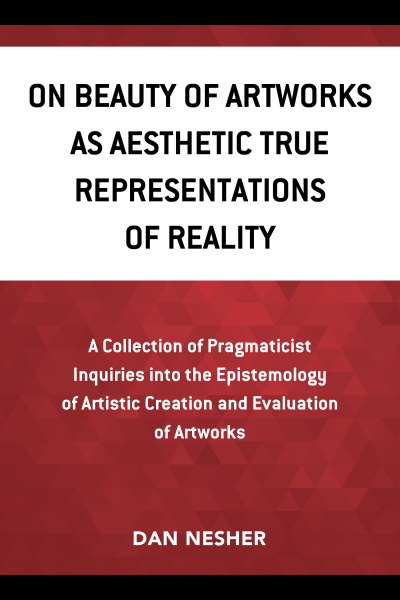
On Beauty of Artworks as Aesthetic True Representations of Reality
A Collection of Pragmaticist Inquires into the Epistemology of Artistic Creation and Evaluation of Artworks- Authors:
- Publisher:
- 2022
Summary
This book is aimed to explain the creation of artworks and their evaluation, and offers a new concept of aesthetics and beauty of artworks. Following and reconstructing Peircean realist epistemology, Aesthetics is one of the three normative sciences, along with Logic (Theoretic) and Ethics, which are the three different modes of representing reality. Aesthetics is the mode of artistic representation of reality, and the created artworks are judged beautiful when proven as an aesthetic true representation of reality. Artists aim to represent reality truly, and hence, beautifully, in order to enhance our knowledge of it and to afford us insights on how to better conduct our life in society.
Keywords
Search publication
Bibliographic data
- Edition
- 1/2022
- Copyright Year
- 2022
- ISBN-Print
- 978-0-7618-7295-5
- ISBN-Online
- 978-0-7618-7296-2
- Publisher
- Hamilton Books, Lanham
- Language
- English
- Pages
- 356
- Product Type
- Monograph
Table of contents
ChapterPages
- Contents No access
- List of Figures No access
- Acknowledgments No access
- The Philosophical Problem of the Beauty and Truth of Created Artworks in Aesthetic Representation of Reality No access
- The Epistemology of Aesthetic Science and How We Can Judge by the Epistemic Logic the Aesthetical Objective Truth and Beauty of Created Artworks No access
- The Origins of My Inquiries on the Nature of the Aesthetic Science and Then, What, After All, is a Work of Art? No access
- The Difficulty That My Inquiries on the Philosophy of Aesthetic and Theoretical Sciences Have Faced Within the Established Neo-Kantian Philosophical Paradigm, in the Attempts to Develop a Peircean Realist Epistemology No access
- Human Cognition Can Be a Meaningful Representation of Reality No access
- The Pragmaticist Realist Epistemology Explaining Our Meaning Interpretation of Cognitions in Their True Representation of Reality and the Nature of an Aesthetic Representation of It No access
- The Nature of the Artist’s Aesthetic Creation and Representation of Reality No access
- The Nature of the Judgment of Beauty No access
- How Do We Make Our Aesthetic Judgment of Artworks Objective? No access
- How to Make Our Conception of Beauty Clear and Distinct? No access
- Kant’s Pure Aesthetic Judgment of Reflection on the Harmony of Faculties That Determines the Feeling of Pleasure and Beauty No access
- Kant’s Aesthetic Theory of the Creation of Artwork: On the Genius No access
- Kant’s Two Aesthetic Theories: Genius’s Creativity and Aesthetic Judgment of Taste No access
- Analytic Philosophy’s Formal Semantic Conception of Interpretation and the Referential Representation of Physical Reality, and Its Shortcomings No access
- The Phenomenological Hermeneuticians’ Conceptions of Interpreting and Representing Being as Truth, and Their Shortcomings No access
- The Function of Reflective Self-Control of Interpretation and Representation of Physical Reality and Psychical Reality as Two Operations of Human Knowledge No access
- Artistic Creations Are Based on Human Experience Epitomized in Aesthetic Modes of Representing Reality No access
- Is the Beauty of an Artwork Only of Subjective Feeling or is Objective in Respect to the Artistic Experience and Creation in Its True Representation of Reality? No access
- Interpretation is Always of Cognitive Signs in Their Operation of Representing Reality No access
- The Aesthetic Knowledge and Its Function in Human Life No access
- The Creation of Artworks From the Artistic Human Life Experience and How They Represent and Affect it No access
- The Complete Proof of Our Cognitive Signs is the Sequence of the Logical Trio of Abduction, Deduction, and Induction No access
- The Aesthetic Evaluations of Works of Art as Beautiful Are Self-conscious Reflective Judgments by Proving Their True Interpretation and Representation of Reality No access
- The Pragmaticist Epistemology Explains the Instinctive Reflective Act of Comparison No access
- The Evaluation of the Artwork Can Determine and Indicate Its Truth and Beauty No access
- Can We Elucidate Our Understanding of Created Artworks by Considering Them Fictions or Ideal Thoughts? No access
- How Can Created Artworks Cognitively Represent Human Reality? No access
- What Is the Origin and the Cognitive Function of the “Fictional Make-Believe” Artworks? No access
- Analytic Philosophy’s Conception of Referential Interpretation is Isolated from Reality No access
- The Phenomenological Interpretation of Cognitive-Phenomenal Reality Remains Subjective and Illusory No access
- In Distinction From Formal Semanticists and Phenomenalists, the Peircean Realist Epistemology Can Prove the True Representation of Reality No access
- Peircean Pragmaticist Epistemology Explains Our Confrontation in Reality and How We Can Prove the Truth of Representing It No access
- The Siamese Twins of Interpretational and Representational Relations in Representing Reality No access
- How Aesthetic Metaphors of Artworks Truly and Beautifully Represent Reality No access
- The Aesthetic Artworks Specific Mode of Representing Reality, and Who Do the Fictional Characters of Hamlet and Ophelia Refer to? No access
- Can Theories of Meaning and Truth of the Artistic Work Explain Also its Aesthetic Beauty? No access
- Peircean Epistemic Logic Representing Our Confrontation in Reality to Explain How Theories, Moral Rules, and Aesthetic Metaphors Have Different Modes of Representing Reality No access
- Different Modes of Representing Reality Are Distinguished from Formal Perceptual References No access
- Representational Realism Versus Radical Phenomenalism: Scientific Theories, Moral Rules, and Aesthetic Artworks, Representing Reality upon Perceptual Facts No access
- Walton on Mimesis as Make-Believe and his Confusions: Truth Cannot be in the Aesthetic “Worlds” as Modes of Representation but in Their Relation to Reality No access
- Aesthetic Artworks Are Not Fiction, but Represent Reality upon Perceptual Facts and Common-Sense Knowledge No access
- The Creators and The Beholders of Artworks Evaluate Their True Representation of Reality No access
- The Aesthetic Knowledge of Reality: How Beauty of the Artworks Is in Their True Representation of Reality No access
- Can Kant Explain Artistic Creativity and the Aesthetic Experiential Evaluation of Artworks? No access
- The Reflective Aesthetic Judgment of Beauty and How Judgments Can Be Objective Knowledge No access
- The Subject Can Prove the Truth of Judgments to Be Objective Representations of Reality No access
- The Nature and the Role of the Power of Judgment in Kant’s Transcendental Epistemology No access
- The Three Conceptions of Judgment in Kant’s Transcendental Epistemology: Logical, Moral, and Aesthetical No access
- Peircean Pragmaticist-Realist Examination of Kant’s Transcendental Epistemology of Judgment No access
- Kant’s Epistemology of Sensual Experience and the Theoretical and Aesthetical Judgments No access
- Empirical Concepts Are the Core of Kant’s Conception of Knowledge, Based on Logical Judgment No access
- The Epistemology of the Perceptual Judgments of Kantian Transcendentalism and Peircean Realism: Theoretical Judgment and Aesthetic Judgment of Artworks and Their Representations of Reality No access
- The Difficulties in the Epistemology of Aesthetic Reflection of Pleasure and Judgment of Beauty No access
- Kant’s Epistemology of Aesthetic Experience and Aesthetic Judgments in Evaluation of the Beauty of Artworks and of Natural and Artificial Objects No access
- Kant’s Two Aesthetic Theories of Art: Genius Creativity and Judgment of Aesthetic Pleasure No access
- In Contrast to Kant’s Logical Judgment, Different Modes of Judgment Represent Reality No access
- The Deadlock in Kant’s Essential Connection between the Transcendental and the Empirical, and the Proposed Alternative Epistemology No access
- Kant’s Basic Epistemology Problem with Combining Empirism and Rationalism: Peircean Theory of Truth and Representation of Reality—The Harmony of Ego and Non-Ego No access
- Why Kant’s Aesthetic Judgment of Artworks Cannot Be Valid: Difficulty with Harmony of Faculties No access
- Peircean Epistemology Overcoming Kant’s Categorical Confusion in Systemizing Philosophy, in his Three Critiques of Different Mental Powers No access
- The Subject Can Prove the Objective Beauty of an Artwork as a True Aesthetic Representation of Reality No access
- Artworks as Aesthetic Representation of Reality: Beauty, Ugliness, and Kitsch No access
- Hermeneuticians’ Difficulties with the Concept of True Interpretation No access
- Wittgenstein and the Paradox of Interpretation No access
- Kant’s Paradox of Genius: Free Creation and Natural Determination No access
- Free Creation as Determinate Self-Control, True Interpretation and Representation No access
- Artistic Creation with Evaluation: Beauty, Ugliness and Kitsch No access
- Kantian Abyss between Rationalism and Empiricism and the Dichotomy Between Objective Theoretical Cognitive Judgment and Subjective Aesthetic Reflective Judgment No access
- How to Revise and Reconstruct Kantian Epistemology in Order to Explain Scientific Theories, Knowledge of the Norms of Action, and Aesthetic Epitomes as Knowledge of Human Life No access
- The Essentials of Pragmaticist Epistemology for Bridging the Abyss between Rationalism and Empiricism, Objectivism and Subjectivism, and Creation and Evaluation No access
- Kant’s Three Types of Judgments: Theoretical, Practical, and Aesthetic No access
- The Structures of the Three Kantian Types of Judgments, and Their Applications No access
- Why Kant Cannot Prove the Truth of Judgments in His Three Critiques: The Peircean Solution No access
- Kant on Theoretical [Logical] and Aesthetic [Reflective] Judgments No access
- The Reflective Manner (modus aestheticus) of Aesthetics and Method (modus logicus) of Science No access
- Peirce on Degrees of Self-Control to Eliminate Kant’s Dichotomy Between Logical and Aesthetic Modes of Representation No access
- Kant’s Two Separated Aesthetic Theories: Genius Creativity and Aesthetic Judgment of Taste No access
- Why the Kantian Theory of Genius Cannot Operate without Following Rules of Harmony Between Ideas of Understanding and Imagination to Create and Evaluate the Beauty of Artwork No access
- The Pragmaticist’s Way Out of the Kantian Destructive Dilemma Between the Freedom of Imagination and the Determination of Understanding in Creating and Evaluating Artworks No access
- Kant’s Missing Link in the Chain of Genius Creation: Abductive Discovery of Intellectual Ideas No access
- Why Kant Cannot Explain the Validity and Objectivity of the Aesthetic Judgment of Taste No access
- There is No True Aesthetic Judgment without Confronting and Representing Reality: Peircean Trio No access
- Self-Control in Following the Rules of Free Creation of Artwork is Only Through its True Aesthetic Representation of Reality No access
- How Is the Creative Artwork Proved to Be a True and Beautiful Representation of Reality? No access
- How to Distinguish among Beautiful, Ugly, and Kitschy Artworks? No access
- Introduction: Probing Kant on the Role of Productive Imagination in Artistic and Scientific Creating and Discovering New Modes of Representing Reality No access
- Kant’s Division Between Theoretical Logical Judgment and Aesthetic Reflective Judgment No access
- Kant’s Conception of Judgment and Its Difficulties in His Three Critiques No access
- The Pragmaticist Overcomes Kant’s Narrow Conception of Judgment by the Epistemic Logic of the Trio No access
- Can the Artist Play Freely with Productive Imagination in the Creation of Exemplary Artwork? No access
- The Conception of Aesthetic Experience and Creativity No access
- Reflective Self-Control of the Productive Imagination in Creating the Aesthetic Product No access
- Sensual Intuition and Intellectual Intuition in the Discovery of New Concepts and Hypotheses No access
- The Role of Intellectual Intuition of Productive Imagination in the Recombination of Scientists’ Background Knowledge in Discovering New Hypotheses No access
- The Self-Conscious and Self-Control Aspect of Intellectual Intuition in Discovering a New Hypothesis No access
- The Roles of “Productive Imagination” in Artistic New Exemplary Representations of Reality No access
- The Roles of “Productive Imagination” in Scientific Discovery of a New Picture of Reality No access
- Artists and Scientists Represent Reality through Their Cognitive Confrontation in Reality No access
- Fine Art and Science Are Different Cognitive Operations in Representing Reality No access
- Art and Science Are Different Modes of Representing Reality: “Aesthetically” and “Theoretically” No access
- Both Art and Science Prove the Truth of Their Representation of Reality and thus Have Truth in Beauty and Beauty in Truth No access
- The Idea of Modernism and the Enigma of the Postmodernist Conception of Art No access
- Understanding the Concept of Aesthetics as Artworks’ Mode of Representing Reality: A Re-examination of Art, Aesthetics, and the Truth and Beauty of Artworks No access
- The Epistemology of Artistic Creation and Evaluation of Artworks and How the Postmodern Capitalist Economy and Culture Fetishized the Cognitive Role of Art and Its Value No access
- Picasso’s Work as a Modernist: The Aesthetic Representation of Reality as He Understood It No access
- Picasso as a Modern Artist Looking for and Working with True New Genres to Represent Reality No access
- Picasso as a Modernist Creating New Genres to Aesthetically Represent His Modern Reality No access
- Picasso’s Realism in Distinction from Duchamp’s Formalist Elimination of Aesthetic Artworks No access
- Programmatic Manifestations and Practices of Avant-Garde Art Movements: Symbolism, Cubism, Dada, Surrealism, Abstract Art and Conceptual Art No access
- Pragmaticist Epistemology of Creating and Evaluating Artworks Reveals That Historical Theories of Art and Artist Movements Manifest Only Some Aspects of Art No access
- “Conceptual Art and Imageless Truth”: No Art without Iconic and Indexical Imagination and Aesthetic Representation No access
- The Epistemology of Conceptual Art is to Interpret Concepts in Objects, but the Conceptualists Do Not Create Artistic Aesthetic True Representations of Reality No access
- The Epistemology of “Conceptual Art” is of Artifacts and Entertainment and Not of Art as a True Aesthetic Representation of Reality No access
- The Beauty of Artwork is Its Proved True Aesthetic Representation of Reality Being the Artistic Mode of Knowledge of the Aesthetic Science No access
- How the Commercial Price of the Artworks Affects Their Spiritual and Aesthetic Significance: The Late Capitalist Economy and Its Race for Money Endangers the Creation of Art No access
- The Difficulties with Conceptual Art: If a Work of Art Exemplifies Concepts, it is an Interpretation and Not an Aesthetic Representation of Reality No access
- The Epistemological Concept of Art and Its Beauty: Are Artistic Avant-Garde Movements Creating Art or Pseudo-Art? No access
- Aesthetic Science of Art is Equivalent to Other Normative Sciences (Theoretical and Ethical) as Different Modes of Knowing Reality, Proven in Relative Proof-Conditions No access
- Historical epochs of artistic representations of reality: Changes in genre and style reflect shifts in artists’ intellectual and aesthetic understanding of their current reality No access
- Introduction: The Beauty of Music, Mathematics, and Humans No access
- The Riddle of the Appreciation of Musical Compositions Is How We Understand Its Meaning No access
- The Endeavor to Epistemically Explain the Creation of Musical Artistic Compositions No access
- The Epistemology of Interpreting and Understanding the Aesthetic Truth and Beauty of Music No access
- Truth and Beauty of Mathematics and How They Proceed in Mathematical Proofs No access
- Can Mathematics Be a Pure Science or Rather an Empirical Representation of Reality and What Are Its Proofs? No access
- The Epistemic Role of Aesthetic Factors of Beauty in Mathematical Proofs of Meaning and Truth No access
- The Beauty of the Human Being Is the Expression of One’s True Ethical Humanly Nature No access
- The Two Meanings of Beauty of Persons: Phenomenal and Real-internal Spirit of the Soul No access
- The Reciprocal Relation of the Representation of One’s Essential Beauty, Its True Humanity and Interpretation by Others No access
- References No access Pages 325 - 338
- Index No access Pages 339 - 354
- About the Author No access Pages 355 - 356