, um zu prüfen, ob Sie einen Vollzugriff auf diese Publikation haben.
Sammelband Kein Zugriff
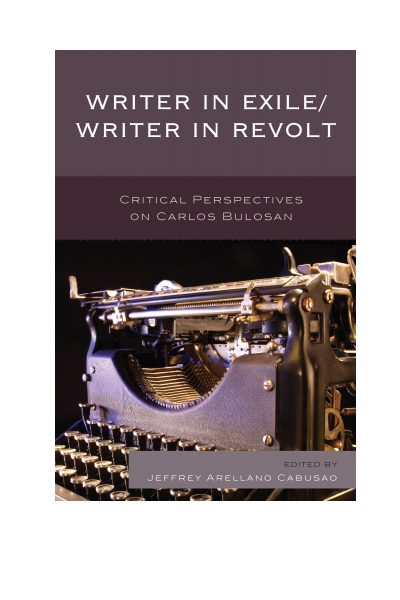
Writer in Exile/Writer in Revolt
Critical Perspectives on Carlos Bulosan- Herausgeber:innen:
- Verlag:
- 2016
Schlagworte
Publikation durchsuchen
Bibliographische Angaben
- Auflage
- 1/2016
- Copyrightjahr
- 2016
- ISBN-Print
- 978-0-7618-6767-8
- ISBN-Online
- 978-0-7618-6768-5
- Verlag
- University Press, Lanham
- Sprache
- Englisch
- Seiten
- 343
- Produkttyp
- Sammelband
Inhaltsverzeichnis
KapitelSeiten
- Contents Kein Zugriff
- Appendix Kein Zugriff
- Part I. Bulosan’s Voice: Listening to the Manong Generation Kein Zugriff
- Part II. Location of Exile: Creating an Alter/native Filipino Literary Practice Kein Zugriff
- Part III. Writer as Worker: Broadening the Bulosan Canon Kein Zugriff
- Part IV. Collective Memory and Revolt: Becoming Filipino—Becoming Free Kein Zugriff
- Bibliography Kein Zugriff
- Notes Kein Zugriff
- 1 Bulosan Now (1958) Kein Zugriff
- Biography Kein Zugriff
- Toward Regrounding the Psyche Kein Zugriff
- To Change, Not Just Interpret Kein Zugriff
- One Divides into Two Kein Zugriff
- Enter: The Trickster Clown Kein Zugriff
- Sketch of a Materialist Poetics Kein Zugriff
- Dialectics in Action Kein Zugriff
- Exorcising the Dream Kein Zugriff
- Metamorphoses of the Other Kein Zugriff
- Unleashing the Daemon Kein Zugriff
- A Celebration of Praxis Kein Zugriff
- Not a Picnic Nor a Dinner Party Kein Zugriff
- Arming the Spirit Kein Zugriff
- Notes Kein Zugriff
- 4 Filipino Writers in Exile (1963) Kein Zugriff
- Reality of the Third World Kein Zugriff
- A Literature of Realism Kein Zugriff
- A Literature of Revolution Kein Zugriff
- A Literature of Hope and Growth Kein Zugriff
- Notes Kein Zugriff
- References Kein Zugriff
- The Satiric Mode Kein Zugriff
- Tension between the Old and the New Kein Zugriff
- The Pitfalls of the New Culture Kein Zugriff
- Exaggerations and Caricatures Kein Zugriff
- The Craft of Satire Kein Zugriff
- Notes Kein Zugriff
- Works Cited Kein Zugriff
- Notes Kein Zugriff
- Why Bulosan? Why The Laughter of My Father? Kein Zugriff
- L.M. Grow’s “Casebook” Thesis Kein Zugriff
- Masculine Domination and Bulosan’s Female Types Kein Zugriff
- Gendered Lessons in Regard to Local Women Kein Zugriff
- Gendered Lessons as They Relate to “City Women” Kein Zugriff
- Gendered Lessons Relating to the Matriarch Kein Zugriff
- Women’s Responses to Masculine Domination Kein Zugriff
- Resistance on the Part of Local Women Kein Zugriff
- Resistance on the Part of Women from the “Outside” Kein Zugriff
- Resistance on the Part of the Matriarch Kein Zugriff
- Adding Class to the Analysis Kein Zugriff
- Conclusion Kein Zugriff
- Coda Kein Zugriff
- Notes Kein Zugriff
- Notes Kein Zugriff
- Third World Writing Kein Zugriff
- The Third World Writer’s Perspective Kein Zugriff
- War as Struggle Kein Zugriff
- Notes Kein Zugriff
- II. Kein Zugriff
- III. Kein Zugriff
- Appendix A. Photo Reproductions of Bulosan Letters Kein Zugriff
- Appendix B. Transcripts of Bulosan Letters Kein Zugriff
- Works Cited Kein Zugriff
- Notes Kein Zugriff
- Deeply Disturbed Kein Zugriff
- Driven Kein Zugriff
- I. Re-imagining the Class Struggle Kein Zugriff
- II. Back to the Future: Bulosan’s Literary Homecoming Kein Zugriff
- III. Filipino Blues: Beyond the Pleasure Principle Kein Zugriff
- IV. Tales of the Skin Trade: The Third World Writer in the Literary Marketplace Kein Zugriff
- V. Conclusion: The Inter/national Allegory Kein Zugriff
- Works Cited Kein Zugriff
- Notes Kein Zugriff
- How and When Did You Meet Carlos Bulosan? Kein Zugriff
- How Would You Describe Carlos’ Political Work? Kein Zugriff
- How about You? When Did You Become an Organizer for the Union? Kein Zugriff
- Where There a Lot of Filipinos There? Kein Zugriff
- Was It Difficult to Be a Woman Union Organizer in the 1930s? Kein Zugriff
- Carlos Bulosan Wrote in His Book that “In Many Ways It Was a Crime to be Filipino in California. I Came to Know that the Public Streets Were Not Free to My People.” This Is a Vivid Description of What the Filipinos Faced at That Time, Isn’t It? Kein Zugriff
- Were the Filipinos a Majority among the Agricultural Workers You Were Organizing? Kein Zugriff
- Were You Successful in Organizing the Agricultural Workers? Kein Zugriff
- So Carlos Moved in That Circle of Progressive Filipinos? Kein Zugriff
- At That Time, the US Government Did Not Just Blacklist Progressive Organizers, but Also Attempted to Deport Those That They Perceived as Dangerous “Alien Elements.” Were There a Lot of Filipino Union Organizers Deported? Kein Zugriff
- Did Carlos Talk to You Extensively about His Life in the Philippines? Kein Zugriff
- Was He Writing All the Time and Did You Collaborate with Him? Kein Zugriff
- Were You Ever Discriminated Upon by Your Friends and Political Circle because You Were Going Out with a Filipino? Kein Zugriff
- What Was Bulosan’s Vision for Change in the Philippines? Kein Zugriff
- Did He Want to Go Back to the Philippines? Kein Zugriff
- I. Introduction Kein Zugriff
- II. The Issues Addressed by Bulosan Kein Zugriff
- III. Bulosan as a Writer-Activist-Philosopher Kein Zugriff
- IV. Conclusion Kein Zugriff
- Notes Kein Zugriff
- How Did You Get Interested in Carlos Bulosan? Kein Zugriff
- How Did You Start Doing Archival Work on Bulosan? Kein Zugriff
- How Did You Come Up with the Idea to Ask for Bulosan’s FBI Files? Kein Zugriff
- What Did You Discover as You Sorted through Bulosan’s FBI Files? Kein Zugriff
- What about the People Who Charge That Any Files, Bulosan’s Files Included, Are Just Lies, a Fabrication, Slander? Kein Zugriff
- How Do the FBI Files Enable Us to Re-Think Bulosan’s Life and Work? Kein Zugriff
- How Does Your Research Help Us to Understand Filipino American Forms of Resistance? Kein Zugriff
- In What Ways Is Bulosan’s Life and Work Relevant for a New Generation of Activists-Scholars? Kein Zugriff
- Does Your Research Open a Space to Help Us Grapple with Local and Global Politics Today? Kein Zugriff
- How Did Your Work on Bulosan Change Your Perceptions of Him? Kein Zugriff
- Related Short and Long Range Goals of the Bulosan Project Kein Zugriff
- Final Thoughts Kein Zugriff
- “Link Between PI, US Commies Bared,” The Manila Chronicle, 1951 Kein Zugriff
- “Defense Chief Orders Arrest of Second MIS Man for Third Degree,” The Manila Times, 1951 Kein Zugriff
- Works Cited and For Further Reading Kein Zugriff
- Notes Kein Zugriff
- Part One: Toward A Renewal of the Filipino Critical Imagination Kein Zugriff
- Part Two: The Filipino Peasant Imagination Versus the “Civilizing Mission” of American Studies and Ethnic Studies Kein Zugriff
- Proletarian Pinoy Meets “Ilustrado” Kein Zugriff
- Class as Network of Social Relations Kein Zugriff
- The Peasantry Intervenes Kein Zugriff
- “Little Brown Brother’s” Burden Kein Zugriff
- The Manong’s Red-White-and-Blue Blues Kein Zugriff
- Vogue of Transnationalisque Chic Kein Zugriff
- Ultimo Adios Kein Zugriff
- References Kein Zugriff
- Notes Kein Zugriff
- 20 American Dream: The Habitable Land (2016) Kein Zugriff
- Editorial Kein Zugriff
- To Whom It May Concern Kein Zugriff
- Terrorism Rides the Philippines Kein Zugriff
- Images courtesy of E. San Juan, Jr. and the Philippines Cultural Studies Center Kein Zugriff
- Poetry Kein Zugriff
- Novels Kein Zugriff
- Short Stories Kein Zugriff
- Nonfiction Kein Zugriff
- Anthologies Kein Zugriff
- Bulosan Criticism Kein Zugriff
- Notes Kein Zugriff
- About the Editor Kein Zugriff