, to see if you have full access to this publication.
Monograph No access
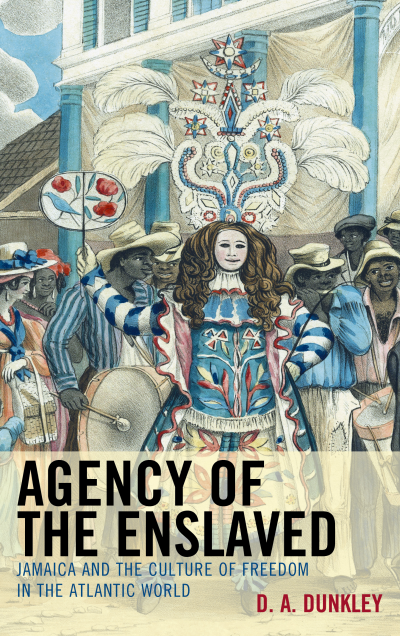
Agency of the Enslaved
Jamaica and the Culture of Freedom in the Atlantic World
Authors:
Publisher:
2012
Summary
In Agency of the Enslaved: Jamaica and the Culture of Freedom in the Atlantic World, D.A. Dunkley challenges the notion that enslavement fostered the culture of freedom in the former colonies of Western Europe in the Americas. Dunkley argues the point that the preconception that out of slavery came freedom has discouraged scholars from fully exploring the importance of the agency displayed by enslaved people. This study examines those struggles and argues that these formed the real basis of the culture of freedom in the Atlantic societies. These struggles were not for freedom, but for the acknowledgment of the freedom that enslaved people knew was already theirs. Agency of the Enslaved reveals several major incidents in which the enslaved in Jamaica—a country Dunkley uses as a case study with wider applicability to the Atlantic world—demonstrated that they viewed slavery as an immoral, illegal, unnecessary, temporary, and socially deprecating imposition. These views inspired their attempts to undermine the slave system that the British had established in Jamaica shortly after they captured the island in 1655. Acts of resistance took place throughout the island-colony and were recorded on the sugar plantations and in the courts, schools, and Christian churches. The slaveholders envisaged all of these sites as participants in their attempts to dominate the enslaved people. Regardless, the enslaved had re-envisioned and had used these places as sites of empowerment, and to show that they would never accept the designation of ‘slave.'
Keywords
Search publication
Bibliographic data
Edition
1/2012
Copyright Year
2012
ISBN-Print
978-0-7391-6803-5
ISBN-Online
978-0-7391-6804-2
Publisher
Lexington, Lanham
Language
English
Pages
224
Product Type
Monograph
Table of contents
ChapterPages
Contents No access
Acknowledgments No access
Abbreviations No access
Tables No access
Chapter 1. Slave Freedom No access Pages 1 - 14
Chapter 2. Those “Perverse” Slaves No access Pages 15 - 32