, to see if you have full access to this publication.
Monograph No access
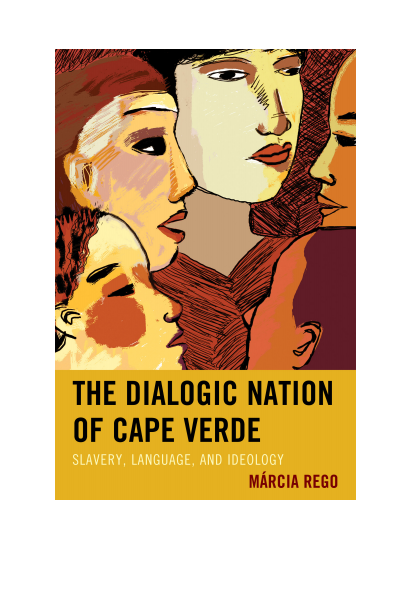
The Dialogic Nation of Cape Verde
Slavery, Language, and Ideology
Authors:
Publisher:
2015
Summary
The Dialogic Nation of Cape Verde: Slavery, Language, and Ideology is an ethnographic study of language use and ideology in Cape Verde, from its early settlement as a center for slave trade, to the postcolonial present. The study is methodologically rich and innovative in that it weaves together historical, linguistic, and ethnographic data from different eras with sketches of contemporary life—a homicide trial, a scholarly meeting, a competition for a new national flag, a heterodox Catholic mass, an analysis of love letters, a priest’s sermon, and a death in the neighborhood. In all these different contexts, Márcia Rego focuses on the role of Kriolu (the Cape Verdean Creole) and its relation to Portuguese—that is, on the way people live through speaking. The Dialogic Nation of Cape Verde shows how, through the dialogic give-and-take of the two languages, Cape Verdeans wrestle with deep-seated colonial hierarchies, invent and rehearse new traditions, and articulate their identity as a sovereign, creole nation.
Search publication
Bibliographic data
Edition
1/2015
Copyright Year
2015
ISBN-Print
978-0-7391-9377-8
ISBN-Online
978-0-7391-9378-5
Publisher
Lexington, Lanham
Language
English
Pages
193
Product Type
Monograph
Table of contents
ChapterPages
Contents No access
List of Figures No access
Acknowledgments No access
Glossary No access
Introduction No access Pages 1 - 20
Chapter One: Kriolu Origins No access Pages 21 - 38
Chapter Two: Speaking of Kriolu No access Pages 39 - 64