, to see if you have full access to this publication.
Monograph No access
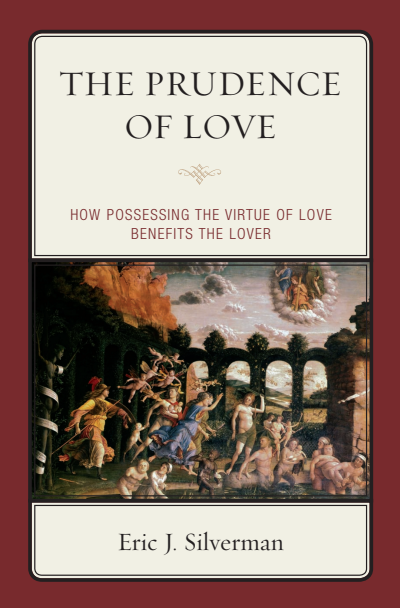
The Prudence of Love
How Possessing the Virtue of Love Benefits the Lover
Authors:
Publisher:
2009
Summary
The Prudence of Love: How Possessing the Virtue of Love Benefits the Lover focuses upon the intersection of philosophical, theological, and psychological issues concerning love. Eric Silverman advocates an account of the virtue of love derived from Thomas Aquinas's account of charity and makes three claims concerning love's effect on a person's happiness. First, he argues that there are at least five distinct ways that possessing the virtue of love contributes to the lover's happiness. Surprisingly, only one of these benefits is primarily relational, while the other benefits are largely psychological. Second, Silverman argues that the combination of love's benefits typically increases the lover's overall level of happiness. Finally, he argues that possessing a loving disposition is a more reliable strategy for increasing one's overall happiness than possessing an unloving disposition. Throughout The Prudence of Love, Silverman demonstrates that love's benefits are identifiable according to all four major views of happiness.
Keywords
Search publication
Bibliographic data
Edition
1/2009
Copyright Year
2009
ISBN-Print
978-0-7391-3930-1
ISBN-Online
978-0-7391-3932-5
Publisher
Lexington, Lanham
Language
English
Pages
212
Product Type
Monograph
Table of contents
ChapterPages
Table of Contents No access
Preface No access
Chapter 01. Foundational Issues No access Pages 1 - 16
Chapter 02. Contemporary Philosophical Accounts of Love No access Pages 17 - 42
Chapter 03. Aquinas’s Account of the Virtue of Love No access Pages 43 - 58
Chapter 04. The Neo-Thomistic Account of the Virtue of Love No access Pages 59 - 92
Chapter 05. The Benefits of Love No access Pages 93 - 146
Chapter 06. Unloving Agents No access Pages 147 - 202