, to see if you have full access to this publication.
Monograph No access
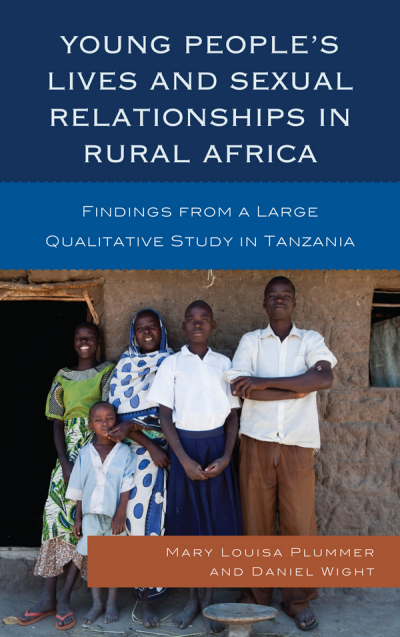
Young People's Lives and Sexual Relationships in Rural Africa
Findings from a Large Qualitative Study in Tanzania
Authors:
|
Publisher:
2011
Summary
This book examines young African's sexual relationships in the context of village life. It is based on a large in-depth qualitative study in Tanzania, in a region typical of rural sub-Saharan Africa. It describes how dominant community values both discouraged and encouraged adolescent sexual activity. Young people managed these contradictions by concealing their sexual activity, contributing to short-term and/or overlapping relationships. Most adolescents had sex by age 15, but girls were often 5-10 years younger than their partners, and their relationships typically involved more frequent sexual encounters than those of same-aged boys. Motivations to have sex are examined, particularly its importance to masculine identity and its role in meeting young women's basic material needs, such as soap or respectable clothing. By their late teens most young people had experienced three types of sexual relationship: one-time sexual encounters; open-ended relationships involving occasional encounters; and 'main' semi-public partnerships involving frequent sexual contact. Relationships could involve desire, possessiveness, and affection, but romantic idealization of a partner was rare. Many young people expected their partners to be monogamous, but themselves had had concurrent relationships by age 20. Women generally married by age 20 and men by 25, with couples often having met about one month earlier. Marital couples usually spent little time together, and emotional intimacy was not highly valued. About one-third of marriages involved one husband and multiple wives. Extramarital sex, separation and divorce were fairly common. This book details factors shaping young people's sexual health, including access to, and beliefs about, condoms and other contraception. Condoms were rarely used because they were associated with reduced pleasure, infection and promiscuity. Sexually transmitted infections were fairly common, but several factors hindered young people from seeking biomedical treatment for them. Many instead relied on traditional medicine, as they did for contraception, induced abortion, and fertility promotion. Understanding of the biology of HIV/AIDS was very limited, and people with AIDS were sometimes believed to be bewitched with a non-infectious, curable illness. The book concludes by identifying key economic and cultural barriers to reducing sexual risk behavior, as well as factors that potentially facilitate risk reduction.
Keywords
Search publication
Bibliographic data
Edition
1/2011
Copyright Year
2011
ISBN-Print
978-0-7391-3578-5
ISBN-Online
978-0-7391-3580-8
Publisher
Lexington, Lanham
Language
English
Pages
444
Product Type
Monograph
Table of contents
ChapterPages
Contents No access
Tables No access
Figures No access
Case Studies No access
Boxes No access
Acknowledgments No access
Chapter One. Introduction No access Pages 1 - 22
Chapter Two. Research Methods No access Pages 23 - 66
Chapter Three. Village Life No access Pages 67 - 98
Chapter Four. Children’s Relationships with Parents, Peers, and Teachers No access Pages 99 - 122
Chapter Five. Contradictory Sexual Norms and Expectations No access Pages 123 - 142
Case Study Series 1. “We’ll Have Sex Again When the Opportunity Arises”: Typical Young People’s Lives and Premarital Sexual Relationships No access Pages 143 - 160
Chapter Six. Unmarried Young People’s Sexual Relationships No access Pages 161 - 198
Chapter Seven. Sexual Negotiation, Exchange, and Coercion No access Pages 199 - 230
Chapter Eight. Sexual Practices No access Pages 231 - 258
Case Study Series 2. “He Told Me, ‘Just Come and Live at My House’": Typical Young People’s Experience of Marriage and Divorce No access Pages 259 - 274
Chapter Nine. Married Young People’s Sexual Relationships No access Pages 275 - 304
Chapter Ten. Contraception, Abortion, and Fertility No access Pages 305 - 338
Chapter Eleven. HIV/AIDS and Other Sexually Transmitted Infections No access Pages 339 - 366
Case Study Series 3. “The Fever Went Away but Always Returned”: HIV-Positive Young People’s Lives and Sexual Relationships No access Pages 367 - 376
Chapter Twelve. Barriers and Facilitators of Sexual Risk Reduction No access Pages 377 - 390
Swahili and Sukuma Glossary No access Pages 391 - 396