, to see if you have full access to this publication.
Monograph No access
Last Season of Innocence
The Teen Experience in the 1960s
Authors:
Publisher:
2012
Summary
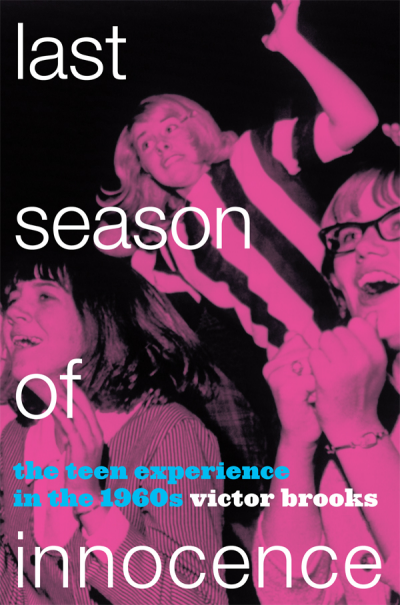
Last Season of Innocence discusses the lives of the preteens and teenagers who were in junior high school, high school, and the first year of college in the 1960s. These are the young people who read Seventeen and Mad, watched more television than their older siblings, and tended to listen to 45 rpm singles or "mono" LPs rather than the more sophisticated stereo albums of their older siblings. Substantial numbers of these teens could and did join political protests, but they also engaged in a more personal daily struggle with school dress codes and parental intrusion on social life. In a nation where a third of the population was under nineteen, they were hardly invisible, but their experience seems to have been marginalized by the twenty-somethings who largely redefined the meaning of the youth culture and took center stage in doing so. Brooks offers a unique account of the much-chronicled 1960s by examining the experiences of these preteens and teenagers.
Search publication
Bibliographic data
Edition
1/2012
Copyright Year
2012
ISBN-Print
978-1-4422-0917-6
ISBN-Online
978-1-4422-0918-3
Publisher
Rowman & Littlefield, Lanham
Language
English
Pages
208
Product Type
Monograph
Table of contents
ChapterPages
Contents No access
Introduction No access Pages 1 - 6
Chapter One. Teen Life in 1959: The Gateway to the Sixties No access Pages 7 - 21
Chapter Two. Teen Family Life and Social Life No access Pages 22 - 35
Chapter Three. High School, USA No access Pages 36 - 50
Chapter Four. Teen Beat: The Twist to the Beatles No access Pages 51 - 67
Chapter Five. Teens on Screen No access Pages 68 - 87
Chapter Six. Teens in Transition: Home Room to Dorm Room No access Pages 88 - 101
Chapter Seven. Teen Consumers and Adolescent Ambassadors No access Pages 102 - 117
Chapter Eight. Coping with the Generation Gap No access Pages 118 - 132
Chapter Nine. The Teen Music Explosion, 1964–1969: Myth and Reality No access Pages 133 - 147
Chapter Ten. Teens at War No access Pages 148 - 161