, to see if you have full access to this publication.
Monograph No access
Toward the Visualization of History
The Past as Image
Authors:
Publisher:
2008
Summary
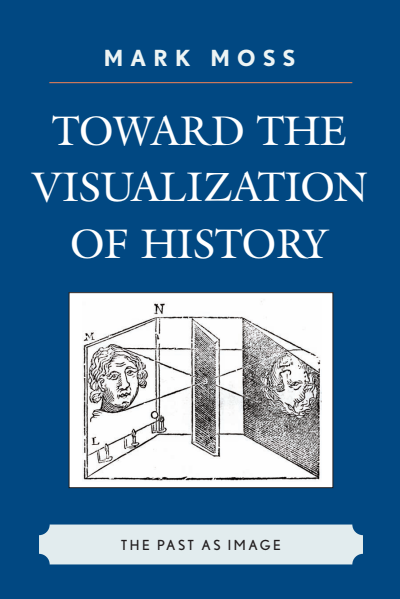
Over the past 50 years, the influence of visuals has impacted society with greater frequency. No subject is immune from the power of visual culture, and this fact becomes especially pronounced with regards to history and historical discourse. Where once the study of the past was books and printed articles, the environment has changed and students now enter the lecture hall with a sense of history that has been gleaned from television, film, photography, and other new media. They come to understand history based on what they have seen and heard, not what they have read. What are the implications of this process, this visualization of history? Mark Moss discusses the impact of visuals on the study of history with an examination of visual culture and the future of print. Recognizing the visual bias of the younger generations and using this as a starting point for teaching history is a critical component for reaching students. By providing an analysis of photography, film, television, and computer culture, Moss uses the Holocaust as an historical case study to illustrate the ways in which visual culture can be used to bring about an awareness of history, as well as the potential for visual culture becoming a driving force for social and cultural change.
Search publication
Bibliographic data
Edition
1/2008
Copyright Year
2008
ISBN-Print
978-0-7391-2437-6
ISBN-Online
978-0-7391-4434-3
Publisher
Lexington, Lanham
Language
English
Pages
256
Product Type
Monograph
Table of contents
ChapterPages
Contents No access
Preface No access
Introduction No access
Chapter 01: Visual Cultural and Historical Consciousness No access Pages 1 - 34
Chapter 02: Media, Memory, and History No access Pages 35 - 68
Chapter 03: The Future and Past of Print Culture No access Pages 69 - 102
Chapter 04: Photographing History No access Pages 103 - 124
Chapter 05: Visions of the Past: Film and History No access Pages 125 - 144
Chapter 06: Televising History No access Pages 145 - 168
Chapter 07: The Process of Holocaust Commemoration in the Media Age No access Pages 169 - 190
Chapter 08: Computer Technology and History No access Pages 191 - 214