, to see if you have full access to this publication.
Monograph No access
Imperial Designs
Italians in China 1900–1947
Authors:
Publisher:
2012
Summary
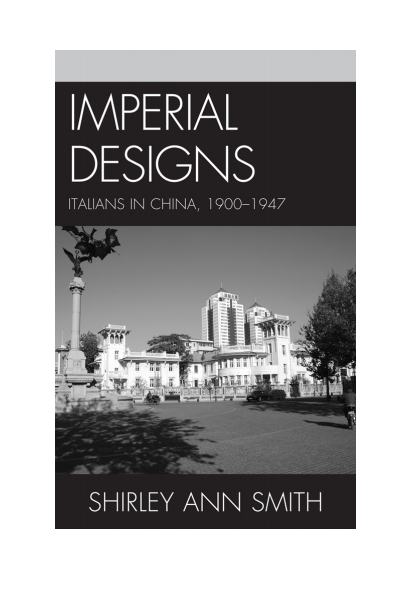
Imperial Designs is the first text in English to deal comprehensively with the subject of the Italian colonial experience in China in the nineteenth and twentieth centuries. Recent scholarship on both the Liberal and Fascist Italian colonial enterprises centers on the Mediterranean and Northern Africa: expeditions, wars, ultimate occupation of territories, and their effect on Italy. This study looks at three Italian enclaves on the other side of the globe: Beijing, Tianjin, and Shanghai. These present both a window into the Italian experience in the Far East and confirmation of imperial policy. Their very presence confirms the rhetoric of conquest. Journalist Luigi Barzini, Sr.; diplomats Salvago Raggi, Varè, and Ciano; various military personnel; and other foreign nationals tell the story through letters and diaries. They all interact with the local metropolitan and rural poor and cultivate a generalized colonial white man’s detachment from their surroundings. A brief summary of the presence of chinoiserie in the Italian imaginary shows how the Celestial Empire has continued to function in the construction of Italian identity as part of the dichotomy between self and other.
Search publication
Bibliographic data
Edition
1/2012
Copyright Year
2012
ISBN-Print
978-1-61147-501-2
ISBN-Online
978-1-61147-502-9
Publisher
Lexington, Lanham
Language
English
Pages
185
Product Type
Monograph
Table of contents
ChapterPages
Contents No access
Acknowledgments No access
List of Illustrations No access
Introduction No access
1 Colonial Background, Sanmen Bay, and Boxers No access Pages 1 - 24
2 Luigi Barzini, Sr., in China No access Pages 25 - 66
3 Salvago Raggi: Diplomatic and Expatriate Community at the Turn of the Century No access Pages 67 - 98
4 Varè and Ciano: Diplomats Before and After the Rise of Fascism No access Pages 99 - 132
5 The City as Text: Tianjin Concessions No access Pages 133 - 164
6 Conclusions: Chinoiserie and China as Mirror of the Other No access Pages 165 - 174