, to see if you have full access to this publication.
Monograph No access
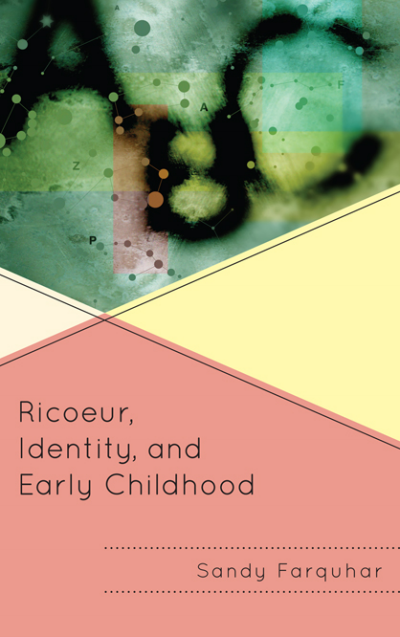
Ricoeur, Identity and Early Childhood
Authors:
Publisher:
2010
Summary
Early childhood education in Western society has come under increasing scrutiny by governments that see early education as an important factor in economic growth and development. Thus, social traditions in the field are increasingly giving way to an intensified focus on marketization and regulation, but with a corresponding diminishing concern for ethics and social participation. Drawing on the work of contemporary French philosopher Paul Ricoeur, Sandy Farquhar analyzes the problematic way in which we become who we are and the discourse that surrounds that learning. The book explores the ethical basis of identity formation in early childhood education and seeks fresh alternatives to commonly accepted perspectives on social policy, education, and the nature of our 'selves.' Farquhar uses Aotearoa New Zealand bicultural curriculum and policy context as examples for developing the theme of curriculum as a contest of ideas and a powerful form of resistance. Promoting the importance of narrative in understanding identity formation, the book elaborates on contemporary themes of difference, ethics, and social justice, calling for a revitalized sense of liberalism and social democracy.
Search publication
Bibliographic data
Edition
1/2010
Copyright Year
2010
ISBN-Print
978-1-4422-0645-8
ISBN-Online
978-1-4422-0647-2
Publisher
Rowman & Littlefield, Lanham
Language
English
Pages
172
Product Type
Monograph
Table of contents
ChapterPages
Contents No access
Abbreviations No access
Foreword No access
Acknowledgments No access
Chapter 1. Narrative Identity No access
Chapter 2. Identity, Narrative, and Early Education No access
Chapter 3. Situating Ricoeur’s Narrative Theory No access
Chapter 4. Ricoeur’s Hermeneutic No access
Chapter 5. Narrative Identity, Ethics, and Education No access
Chapter 6. Social Institutions of Childhood No access