, to see if you have full access to this publication.
Monograph No access
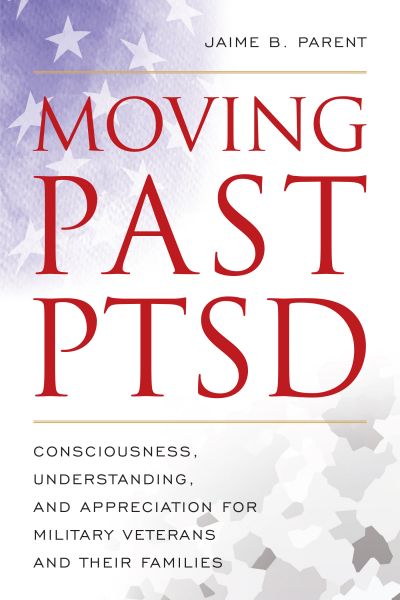
Moving Past PTSD
Consciousness, Understanding, and Appreciation for Military Veterans and Their Families
Authors:
Publisher:
2019
Summary
From World War I until today, the United States has failed to provide adequate transition support to millions of veterans leaving military service. Instead of providing meaningful jobs, access to quality health care and education, and fair and equitable housing, veterans learn that when their military service is done, they are now fighting a new battle – a failed bureaucracy which has let them and other veterans down for the past 100 years.
It’s not as if we as a nation haven’t tried. The Veterans Health Administration (VHA) has seen the largest increase in funding in its history and has been given several free passes when the budget axe arrives. Federal funding and grants for education have also enjoyed similar financial favor; and housing opportunities have been increased. Yet on a rudimentary level, we as a nation cannot stop believing that GI Joe and Jane can’t wait to come back home and pick up right where they left off before their military service began. The truth is, that person is gone and is not coming back. After months or years in a highly structured organizational environment, often times with deployments and horrific battlefield experiences, the military veteran has undergone a paradigm shift in their thinking, their character, and in the way they view themselves and others.
Advances in medical triage and transport have saved thousands of men and women who in previous wars who would have died on the battlefield; and new prosthetics and treatment strategies for those with “invisible wounds” have helped many. But an overburdened VHA isn’t prepared to provide for the sheer volumes of veterans that return home. And with veteran unemployment rates traditionally running percentage points higher than their civilian counterparts, America still wonders why.
Many veterans, particularly those with PTSD are lost when returning home. Moving Past PTSD: Consciousness, Understanding, and Appreciation for Military Veterans and Their Families hopes to break this cycle. In their own words, veterans, caregivers, and the family members that love them are given the opportunity to tell us what is truly broken in the military to civilian transition. Advances in clinical treatments, the presentation of a new fast track job training program and new awareness for the challenges facing all military veterans, changes our way of understanding of who the 21st century veteran is. Through this understanding, we can change their lives and they can change ours.
Keywords
Search publication
Bibliographic data
Edition
1/2019
Copyright Year
2019
ISBN-Print
978-1-5381-2696-7
ISBN-Online
978-1-5381-2705-6
Publisher
Rowman & Littlefield, Lanham
Language
English
Pages
182
Product Type
Monograph
Table of contents
ChapterPages
CONTENTS No access
FOREWORD No access
PROLOGUE No access
ACKNOWLEDGMENTS No access
1: STATUS WOE No access
2: INVISIBLE WOUNDS No access
3: WHEN WAR GAMES GET REAL No access
4: WHEN INNOCENCE AND THE INNOCENTS DIE No access
5: A GOLD STAR MOM’S PTSD No access
6: A SENSE OF PURPOSE No access
7: CAREERS, NOT JOBS No access
8: AT THE INTERSECTION OF HUMAN SPIRIT AND THEOLOGY No access
9: REMEMBERING EQUALITY IN THE WORKPLACE No access
10: NEW CLINICAL THERAPIES FOR NEW TYPES OF WAR INJURIES No access
11: YOU CURED MY PTSD? No access
12: NOT YOUR FATHER’S VA No access
13: MINORITY REPORT No access
14: THE TRANSGENDER VETERAN No access
15: FAMILY IS A CIRCLE OF STRENGTH No access
16: BEING ALL IN No access
17: I, VETERAN No access
EPILOGUE: What You Can Do No access Pages 149 - 156