, to see if you have full access to this publication.
Monograph No access
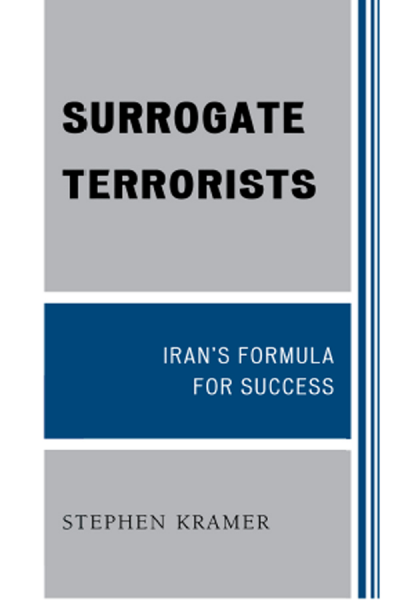
Surrogate Terrorists
Iran's Formula for Success
Authors:
Publisher:
2010
Summary
Today, National Security is embroiled in the unknown, the uncertain, the unseen, and the unexpected. In the twenty-first century, failed states, rogue states, ethnic militias, and radical extremists produce transnational actors involved in global conflicts. During the 1980s, Iran used Hizballah as a surrogate terrorist organization. This was an excellent example of the transition from the traditional state-centered paradigm ordered around conventional strength between rival states to a new type of warfare practiced today. The model created from this research shows many of the conditions, activities, and events necessary to create a state-sponsored terrorist group and provides the reader with indicators that such a group is being formed. Surrogate Terrorists explores some of the analytic methodology used to understand terrorism, insurgency, asymmetric warfare, and state practice of denial and deception. It closes with examples of state-sponsored surrogate terrorist groups' centers of gravity that can be exploited.
Search publication
Bibliographic data
Edition
1/2010
Copyright Year
2010
ISBN-Print
978-0-7618-5068-7
ISBN-Online
978-0-7618-5094-6
Publisher
Hamilton Books, Lanham
Language
English
Pages
77
Product Type
Monograph
Table of contents
ChapterPages
Table of Contents No access
Preface No access
Acknowledgments No access
Introduction No access
Chapter 1: Existence of an Area Under Conflict No access Pages 1 - 8
Chapter 2: Creation of the Surrogate Group No access Pages 9 - 24
Chapter 3: Creation of Ambiguity to Avoid Responsibility/Blame No access Pages 25 - 34
Chapter 4: Maintenance No access Pages 35 - 48
Chapter 5: Dealing With the Aftereffects No access Pages 49 - 56
Chapter 6: Surrogate Centers of Gravity That Can Be Exploited No access Pages 57 - 62
Chapter 7: Conclusion: What Aren't We Seeing But Should Be? No access Pages 63 - 68