, to see if you have full access to this publication.
Monograph No access
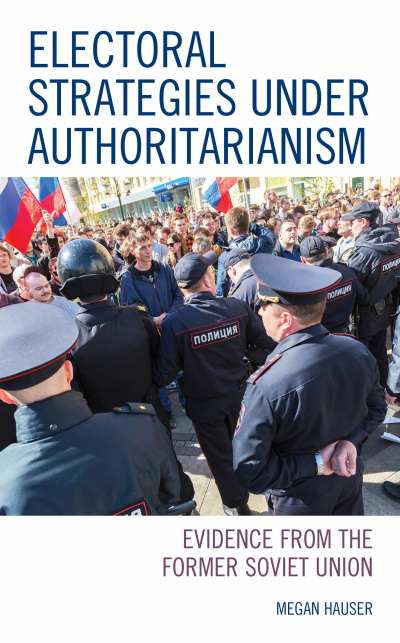
Electoral Strategies under Authoritarianism
Evidence from the Former Soviet Union
Authors:
Publisher:
2019
Summary
This book explores the types of electoral strategies used in non-democratic countries. It focuses on manipulation by the government as well as efforts to push back against the regime by opposition forces. Relying on data and case studies from the former Soviet Union, it finds that these actors view elections as tools to achieve various goals either in the short-term or the long term. More specifically, parties and candidates will sometimes engage in self-defeating or unnecessary behavior in the short-term if they think it will serve a long term purpose. This book examines different ways that governments seek to sway the election to their favor, as well as under what conditions opposition actors may unite or boycott the election altogether. The conclusions of this book reveal that elections even in authoritarian settings matter for political decision making, but that they may not be serving democratic functions.
Keywords
Search publication
Bibliographic data
Edition
1/2019
Copyright Year
2019
ISBN-Print
978-1-4985-5671-2
ISBN-Online
978-1-4985-5672-9
Publisher
Lexington, Lanham
Language
English
Pages
224
Product Type
Monograph
Table of contents
ChapterPages
Contents No access
Foreword No access
Ch01. Electoral Strategies and Authoritarianism No access Pages 1 - 26
Ch02. Theory, Design, and Methods No access Pages 27 - 62