, to see if you have full access to this publication.
Monograph No access
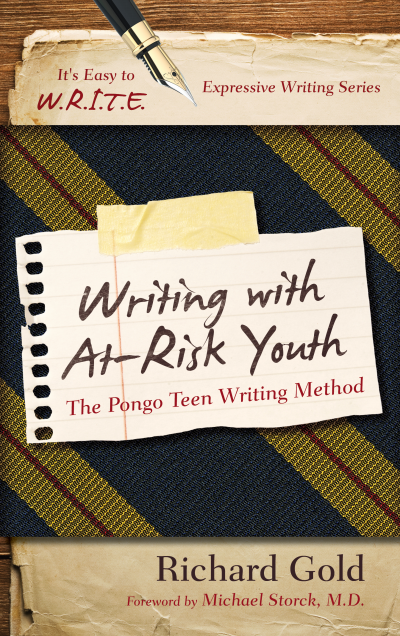
Writing with at-Risk Youth
The Pongo Teen Writing Method
Authors:
Publisher:
2014
Summary
This book describes a specific program for teaching and mentoring expressive writing by at-risk youth—a program that can generate transformative change in the teens, and generate significant new satisfactions for you. When young people write personally and creatively, it helps them to overcome challenges in their lives. They feel better, think more clearly, are more self-confident, and are better able to relate to others, including their helpers. This personal creative process is enriching and enlivening for everyone. It brings emotional clarity and meaning to everyone. It brings closeness, in addition to learning and growth.Welcome to the Pongo Teen Writing Method.
Search publication
Bibliographic data
Edition
1/2014
Copyright Year
2014
ISBN-Print
978-1-4758-0283-2
ISBN-Online
978-1-4758-0285-6
Publisher
Rowman & Littlefield, Lanham
Language
English
Pages
168
Product Type
Monograph
Table of contents
ChapterPages
Contents No access
Series Overview: About the It’s Easy to W.R.I.T.E. Expressive Writing Series No access
Foreword No access
Preface No access
Chapter 1. Childhood Trauma and the Benefits of Writing No access Pages 1 - 14
Chapter 2. Pongo, Openness, and a Unique Joy No access Pages 15 - 28
Chapter 3. The Special Role of the Writing Mentor No access Pages 29 - 38
Chapter 4. Poetry as the Expressive Medium No access Pages 39 - 48
Chapter 5. The Pongo Approach to Teaching Poetry No access Pages 49 - 64
Chapter 6. A Model Pongo Writing Project No access Pages 65 - 70