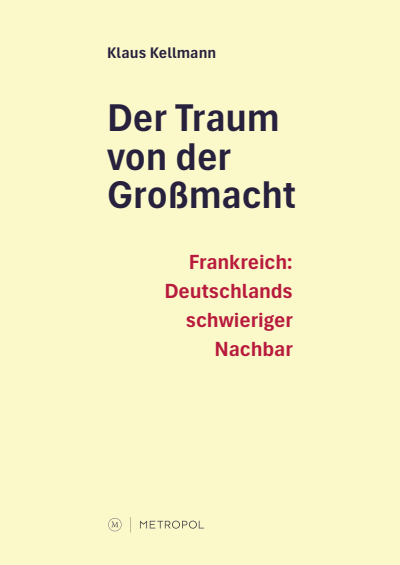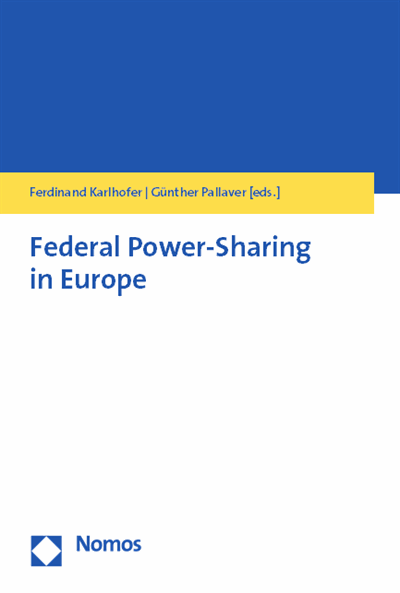
Federal Power-Sharing in Europe
- Editors:
- |
- Publisher:
- 2017
Summary
Erstmals liegt mit diesem Band eine vollständige politikwissenschaftliche Typologie europäischer Kompetenzverteilungssysteme vor. Sie erfasst sowohl die EU als auch Bundes- und quasiföderale Regionalstaaten, darunter etwa Deutschland, Schweiz, Österreich, Belgien, Italien, Spanien und das Vereinigte Königreich, aber auch asymmetrische Fallbeispiele aus anderen europäischen Staaten, die über „konstitutionelle“ Regionen verfügen. Detailscharf und systematisch werden Modelle und Strukturen einer Kompetenzverteilung, die Spannungsverhältnisse zwischen Zentrum und Peripherie, praktische Probleme und Machtkonflikte am Beispiel einzelner Politikfelder sowie Reformvorhaben untersucht. Ein internationales Autorenteam analysiert die aktuellen Entwicklungen auf nationaler wie europäischer Ebene und zieht vergleichende Lehren aus politikwissenschaftlicher Sicht. Die beiden Herausgeber wirken am Forschungszentrum Föderalismus der Universität Innsbruck mit.
Mit Beiträgen von:
Dr. Maria Ackrén, Prof. Dr. Marco Brunazzo, Prof. Dr. César Colino, Prof. Dr. Srdjan Djordjevic, Dr. Malcolm Harvey, Prof. Ayudante Dr. Angustias Hombrado, ao. Univ.-Prof. Dr.Ferdinand Karlhofer, Dr. Soeren Keil, MMag Dr.Manfred Kohler, Dr. Sean Müller, Univ.-Prof. DDr. Günter Pallaver, Dr. Bettina Petersohn, Univ.-Prof. Dr.Simona Piattoni, Mag. Marija Radosavljevic, Prof. Dr.Roland Sturm, Prof. Dr. Adrian Vatter, Prof. Dr. Jens Woelk
Search publication
Bibliographic data
- Edition
- 1/2017
- Copyright Year
- 2017
- ISBN-Print
- 978-3-8487-4043-7
- ISBN-Online
- 978-3-8452-8342-5
- Publisher
- Nomos, Baden-Baden
- Language
- English
- Pages
- 310
- Product Type
- Edited Book
Table of contents
- Titelei/Inhaltsverzeichnis No access Pages 1 - 8
- Authors:
- I. Introduction No accessAuthors:
- II. The making of the Austrian federation No accessAuthors:
- Authors:
- A. Flexible constitution No accessAuthors:
- B. A party-oriented form of federalism No accessAuthors:
- C. Executive federalism No accessAuthors:
- Authors:
- A. Subnational scope for action No accessAuthors:
- B. Intergovernmental coordination: Land governors as veto players in the federal system No accessAuthors:
- Authors:
- Authors:
- 1. Public education No accessAuthors:
- 2. Healthcare policy No accessAuthors:
- 3. Finance relations No accessAuthors:
- B. Land governors: Interests and logic of action No accessAuthors:
- C. The federal system in need of reform No accessAuthors:
- VI. The prospects of Austria’s real federalism No accessAuthors:
- Authors: |
- I. Introduction No accessAuthors: |
- Authors: |
- A. Away from the minimal state (1848–1918) … No accessAuthors: |
- B. … towards the welfare state (1919–2008) No accessAuthors: |
- C. Current division of power and institutional safeguards No accessAuthors: |
- Authors: |
- A. Precursors No accessAuthors: |
- B. The federal reform of 2008 No accessAuthors: |
- Authors: |
- A. Highways: newly centralised—or not? No accessAuthors: |
- B. Special schools: newly cantonalised—or not? No accessAuthors: |
- V. Conclusion No accessAuthors: |
- Authors:
- Authors:
- A. Cooperative federalism and the dominant role of consensus in German politics No accessAuthors:
- Authors:
- 1. Tax policies as a precondition for and consequence of centralised competence No accessAuthors:
- 2. Financial support as a steering mechanism No accessAuthors:
- Authors:
- 1. Radio and TV No accessAuthors:
- 2. Economic policies of the Länder No accessAuthors:
- 3. Technology transfer No accessAuthors:
- 4. The lottery monopoly No accessAuthors:
- 5. Support for small and medium-sized enterprises (Mittelstand) No accessAuthors:
- 6. Police and home security No accessAuthors:
- 7. Education policies No accessAuthors:
- 8. Cultural policies No accessAuthors:
- Authors:
- A. The devolution of powers No accessAuthors:
- B. The 2006 federalism reforms No accessAuthors:
- C. The 2009 federalism reforms No accessAuthors:
- III. Summary and prospects No accessAuthors:
- Authors: |
- I. Introduction No accessAuthors: |
- II. The prelude to Belgian federalisation in 1993 No accessAuthors: |
- Authors: |
- A. The Communities and Regions: Institutions and Responsibilities No accessAuthors: |
- B. The Regions and Communities at European Union level and the Council of Ministers especially No accessAuthors: |
- C. The asymmetry between exclusive political competence and the financial autonomy of Regions and Communities No accessAuthors: |
- D. Remnants of the unitary state: Provinces and Municipalities No accessAuthors: |
- E. Horizontal distribution of power at the federal level No accessAuthors: |
- IV. The legislative Branch: House of Representatives and Senate No accessAuthors: |
- V. The executive Branch: The Federal Government and the King No accessAuthors: |
- VI. The Judicial Branch No accessAuthors: |
- Authors: |
- A. Senate reform No accessAuthors: |
- B. Synchronising election dates No accessAuthors: |
- C. Constitutive Autonomy for Brussels and the German-speaking Community No accessAuthors: |
- D. Changes to the distribution of competences and financial relations No accessAuthors: |
- VIII. Belgium: A role model for successful reforms in federalism? No accessAuthors: |
- Authors: |
- I. Introduction No accessAuthors: |
- Authors: |
- A. The distribution of competences in Bosnia’s complex political system No accessAuthors: |
- B. Entities, cantons and municipalities No accessAuthors: |
- Authors: |
- A. Structure of the distribution of competences No accessAuthors: |
- Authors: |
- 1. Security and defence policy No accessAuthors: |
- 2. Citizenship and fundamental rights No accessAuthors: |
- 3. Finances No accessAuthors: |
- IV. Areas of competence: interpretation and control No accessAuthors: |
- Authors: |
- A. Procedures for changing the distribution of competence No accessAuthors: |
- B. The extraordinary powers of the High Representative of the International Community No accessAuthors: |
- C. Reform of the distribution of competences No accessAuthors: |
- VI. Future prospects No accessAuthors: |
- Authors: |
- I. Introduction and theoretical approach No accessAuthors: |
- II. Historical starting point and the Constitution of 1948 No accessAuthors: |
- III. Regional emergence No accessAuthors: |
- IV. Sluggish reform process No accessAuthors: |
- Authors: |
- A. The reforms of some public policy areas No accessAuthors: |
- VI. Constitutional reform and a new trend towards centralism No accessAuthors: |
- VII. Summary and explanatory model No accessAuthors: |
- Authors: |
- I. Introduction: The Spanish autonomic state and the historical development of power distribution No accessAuthors: |
- Authors: |
- A. The role of public finance in the exercising of competences No accessAuthors: |
- Authors: |
- 1. Justice administration No accessAuthors: |
- 2. Foreign action No accessAuthors: |
- 3. Immigration No accessAuthors: |
- 4. Housing No accessAuthors: |
- 5. Labour relations No accessAuthors: |
- 6. Tourism No accessAuthors: |
- Authors: |
- A. General consideration No accessAuthors: |
- B. The effects of the recent crisis on competences and reform prospects: reinforcing previous tendencies? No accessAuthors: |
- IV. Conclusions No accessAuthors: |
- Authors:
- I. Introduction No accessAuthors:
- Authors:
- A. Scotland No accessAuthors:
- B. Wales No accessAuthors:
- C. Northern Ireland No accessAuthors:
- D. London No accessAuthors:
- Authors:
- A. Devolved finances No accessAuthors:
- B. Policy divergence No accessAuthors:
- C. Policy convergence No accessAuthors:
- D. Conflicting competence No accessAuthors:
- Authors:
- A. Wales No accessAuthors:
- B. Scotland No accessAuthors:
- Authors:
- D. England No accessAuthors:
- V. A complex picture No accessAuthors:
- Authors:
- I. Introduction No accessAuthors:
- Authors:
- A. The Åland Islands No accessAuthors:
- B. The Faroe Islands No accessAuthors:
- C. Greenland No accessAuthors:
- D. The Portuguese Islands of the Azores and Madeira No accessAuthors:
- III. The procedure of amendments regarding autonomous status No accessAuthors:
- IV. Exercising powers—the islands’ relationships with the EU No accessAuthors:
- V. Conclusions No accessAuthors:
- Authors:
- I. Introductory notes No accessAuthors:
- II. The previous constitution of Serbia No accessAuthors:
- III. The political environment during the adoption of the new Serbian constitution No accessAuthors:
- IV. Modern constitutional problems of Vojvodina's autonomy No accessAuthors:
- IV. Conclusion No accessAuthors:
- Authors:
- I. Introduction No accessAuthors:
- II. Visions of federal polities No accessAuthors:
- III. Visions of multi-level policies No accessAuthors:
- IV. The division of competences between EU institutions and member states No accessAuthors:
- V. The normative justification of the Union No accessAuthors:
- Authors: |
- I. Introduction No accessAuthors: |
- II. Federal structures No accessAuthors: |
- III. Social basis No accessAuthors: |
- IV. The role of political parties No accessAuthors: |
- V. Coordination and cooperation No accessAuthors: |
- VI. Developments and trends: federal and regional systems under pressure to reform themselves No accessAuthors: |
- VII. Summary No accessAuthors: |
- List of Authors No access Pages 309 - 310