, to see if you have full access to this publication.
Monograph No access
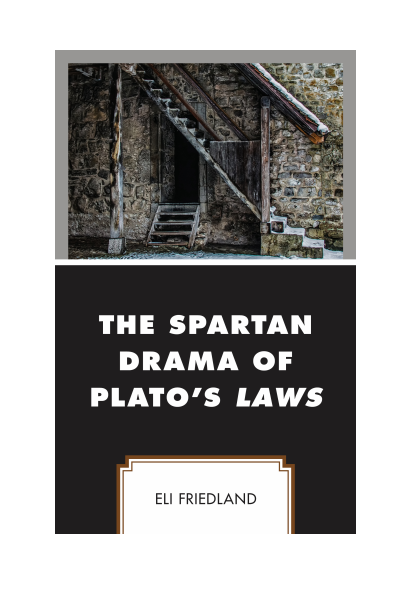
The Spartan Drama of Plato's Laws
Authors:
Publisher:
2020
Summary
Friedland presents the Laws, Plato's longest dialogue, as a drama that must be interpreted with close and sustained attention to each of its three characters. He argues that Megillos, seen by most commentators as the most obtuse character in the dialogue, is in fact a man of few words but of surprising capacity for reflection. This capacity, and the crisis to which it brings him, is key to understanding the Laws' exploration of human nature, permanently drawn both to what is beyond and beneath it. The political project outlined in the dialogue, with its almost programmatic focus on the mundane, is a genuinely philosophical opportunity to consider the relationship between competing demands for human beings - between divine and animal nature, and also including the always tense but necessary antagonisms and affinities between politics and human sexuality.
Keywords
Search publication
Bibliographic data
Edition
1/2020
Copyright Year
2020
ISBN-Print
978-1-7936-0368-5
ISBN-Online
978-1-7936-0369-2
Publisher
Lexington, Lanham
Language
English
Pages
195
Product Type
Monograph
Table of contents
ChapterPages
Contents No access
Acknowledgments No access
Note on Texts and Translations No access
Introduction No access Pages 1 - 12
1 Megillos No access Pages 13 - 40
2 The Great Man in the City: Kleinias of Knossos No access Pages 41 - 62
3 What Is Political Philosophy? No access Pages 63 - 82
4 Responsibility, Indignation, and the “Instinct of the Secondary Role” No access Pages 83 - 108