, to see if you have full access to this publication.
Monograph No access
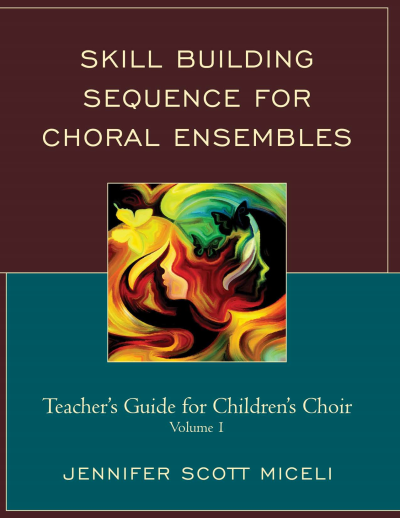
Skill Building Sequence for Choral Ensembles
Teacher’s Guide for Children’s Choir
Authors:
Publisher:
2015
Summary
The ability to bring meaning to music notation without the assistance of an accompanist playing choral parts is a requisite skill on a musician’s journey to self-reliance and full artistic expression. Despite its importance, high performance expectations pose a challenge for choir directors to allocate discrete rehearsal time to music reading skill development. Consider for a moment an embedded music reading system that facilitates choristers’ ability to read their choral octavos; a process that develops rhythm and tonal musicianship and gives choristers the tools they need to learn music on their own. This bookintroduces an adaptable, literature-based choral music reading approach that empowers young singers with music literacy skills that point beyond the choral rehearsal and encourage independent and group music making for a lifetime.
Keywords
Search publication
Bibliographic data
Edition
1/2015
Copyright Year
2015
ISBN-Print
978-0-7618-6650-3
ISBN-Online
978-0-7618-6651-0
Publisher
Hamilton Books, Lanham
Language
English
Pages
220
Product Type
Monograph
Table of contents
ChapterPages
Table of Contents No access
Foreword No access
Acknowledgements No access
A Literature Based Approach No access Pages 1 - 1
Bringing Meaning to Notation No access Pages 2 - 2
Assessment No access Pages 3 - 4
Skill Building Model No access Pages 5 - 5
How To Use This Teacher’s Guide No access Pages 6 - 12