, to see if you have full access to this publication.
Monograph No access
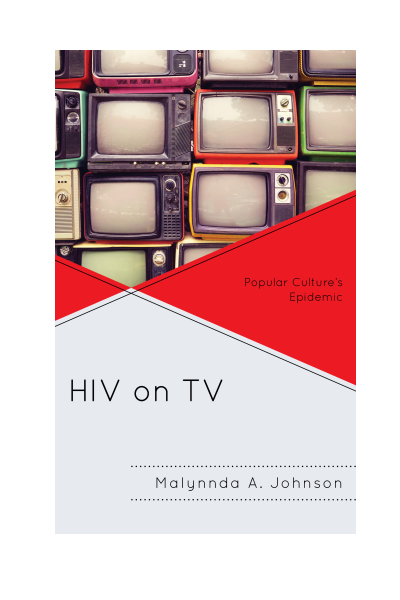
HIV on TV
Popular Culture's Epidemic
Authors:
Publisher:
2018
Summary
In the 80’s and 90’s it was Designing Women and The Real World, today it’s Grey’s
Anatomy and How to Get Away with Murder. 35 years since HIV hit prime time it
remains a hot topic for TV producers to include in storylines. While the motivation
behind creating an HIV narrative is sometimes the disseminate facts about HIV and STIs, far
more often it is the sexy ratings a show can receive by including a “taboo” or controversial topic. As a result, while some education is provided to audiences, far more shows are found only perpetuating misinformation and stereotypes. As a result viewers, young populations especially,
continue to believe they are not at risk.
HIV on TV: Popular Culture’s Epidemic offers a discussion of how HIV has
permeated popular culture. News broadcasts, movies, television shows, even music
lyrics have imbedded messages about HIV. Examining over 35-years of the
HIV evolution on television this book offers a critical lens for examining how medial topics, specifically HIV, are covered in the media. Cutting across three common genres (news, drama, and comedy), characterizations, contexts, and themes are critically analyzed to uncover what each genre has contributed to audience’s understanding of risk, and what it is like to live with HIV. In total, the book offers three perspectives of the lessons presented about HIV. First, is the view from the screen; asking what the characters themselves say to the viewer. Second the book shares results from interviews with viewers themselves who have recalled seeing the shows mentioned. Finally, the book offers thoughts and reflections from writers, producers, and actors involved in the narratives. Providing the greatest insight, an interview with Daniel Franzese (Mean Girls, Road to Recovery, Looking) offers his experience in playing multiple roles as someone living with HIV and a challenge to media writers to be cautious in how they choose to write HIV into a storyline.
Keywords
Search publication
Bibliographic data
Edition
1/2018
Copyright Year
2018
ISBN-Print
978-1-4985-4726-0
ISBN-Online
978-1-4985-4727-7
Publisher
Lexington, Lanham
Language
English
Pages
167
Product Type
Monograph
Table of contents
ChapterPages
Contents No access
Introduction No access
1 Television as Teacher No access
2 Conceptualizing HIV in the Media No access
3 This Just In, HIV in the News No access
4 Oh the Drama! No access
5 HIV as a Punchline No access
6 Didactic Dichotomy of HIV Narratives No access
7 Characters and the “AIDS Body” No access
8 Negative in Life, Positive on Screen No access
9 “Those People Are at Risk” No access
10 Overcoming the Barriers and Moving Forward No access
Appendix A No access Pages 145 - 146
Bibliography No access Pages 147 - 160
Index No access Pages 161 - 166
About the Author No access Pages 167 - 167
Similar publications
from the topics "Soziologie allgemein"
Edited Book Full access
Christoph T. Burmeister, Thorsten Hertel, Sophia Richter