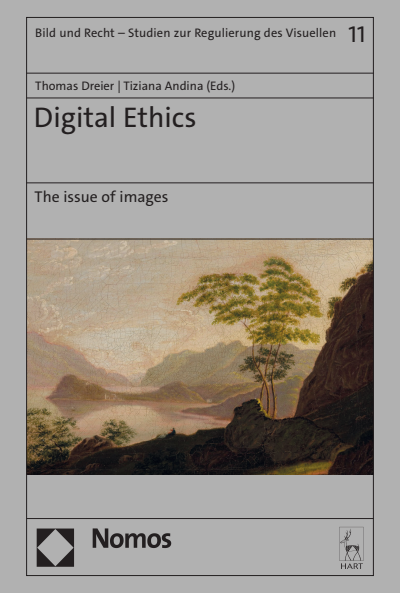
Digital Ethics
The issue of images- Herausgeber:innen:
- |
- Reihe:
- Bild und Recht - Studien zur Regulierung des Visuellen, Band 11
- Verlag:
- 2022
Zusammenfassung
Digitale Bilder werfen ethische Fragen auf, die bislang kaum Aufmerksamkeit gefunden haben. Die diskreten Pixel digitaler Bilder lassen sich frei kombinieren. Zugleich ermöglicht das Netz eine im Vergleich zur Verbreitung analoger Bilder ungleich größere Kontrolle. Die Folgen für die visuelle Gegenwartskommunikation wie auch für das kulturelle visuelle Gedächtnis sind erst in Umrissen erkennbar. Kann es überhaupt eine angewandte Ethik digitaler Bilder geben? Welchen Inhalt könnte eine solche normative Ethik haben? Und schließlich: In welchem Verhältnis stehen Ethik und das Recht digitaler Bilder zueinander? Der Band versammelt die Beiträge einer von der DFG geförderten interdisziplinären deutsch-italienischen Tagung in der Villa Vigoni. Mit Beiträgen vonProf. Gianmaria Ajani, Prof. Tiziana Andina, Dr. Eva-Maria Bauer, Dr. Davide Dal Sasso, Prof. Dr. Thomas Dreier, PD Dr. Johannes Eichenhofer, Prof. Maurizio Ferraris, Prof. Dr. Christophe Geiger, Prof. Dr. Dr. h.c. Werner Gephart, Olivia Hägle, Prof. Wybo Houkes, Dr. Lisa Käde, Prof. Massimo Leone, Lorenz Müller-Tamm, Dr. Eberhard Ortland, Prof. Dr. Benjamin Raue, Ass. Prof. Cosetta Saba, Prof. Dr. Reinold Schmücker, Ass. Prof. Enrico Terrone und Prof. Dr. Wolfgang Ullrich.
Schlagworte
Publikation durchsuchen
Bibliographische Angaben
- Copyrightjahr
- 2022
- ISBN-Print
- 978-3-8487-8841-5
- ISBN-Online
- 978-3-7489-3401-1
- Verlag
- Nomos, Baden-Baden
- Reihe
- Bild und Recht - Studien zur Regulierung des Visuellen
- Band
- 11
- Sprache
- Englisch
- Seiten
- 426
- Produkttyp
- Sammelband
Inhaltsverzeichnis
- Titelei/InhaltsverzeichnisSeiten 1 - 8 Download Kapitel (PDF)
- Autor:innen: |Download Kapitel (PDF)
- Autor:innen: |
- Autor:innen: |
- a) What is to be understood by digital image ethics?Autor:innen: |
- b) Changes brought about by digital and networking technologiesAutor:innen: |
- Autor:innen: |
- a) Practical levelAutor:innen: |
- b) Semantical levelAutor:innen: |
- Autor:innen: |
- a) Questions to be askedAutor:innen: |
- b) Consequential ethicsAutor:innen: |
- 4. Law and ethicsAutor:innen: |
- Autor:innen: |
- 1. Transalpine considerationsAutor:innen: |
- 2. The parts of this bookAutor:innen: |
- Autor:innen: |
- a) The ethical frameworkAutor:innen: |
- b) Images, art and societyAutor:innen: |
- c) Binary encoding and artificial intelligence: The dissolution of the visual objectAutor:innen: |
- d) Technology, ethics and legal normsAutor:innen: |
- e) Ethics and fundamental rightsAutor:innen: |
- ReferencesAutor:innen: |
- Autor:innen:Download Kapitel (PDF)
- I. PrefaceAutor:innen:
- II. “Travelling” as a Medium of Communication and DiscoveryAutor:innen:
- III. Letters, Circulars, and Broadcast ChainsAutor:innen:
- IV. How We Participate in Foreign LifeAutor:innen:
- V. The Power of the “Image”Autor:innen:
- VI. ConclusionAutor:innen:
- ReferencesAutor:innen:
- Autor:innen:Download Kapitel (PDF)
- I. IntroductionAutor:innen:
- II. Digital Ethics Today: A SnapshotAutor:innen:
- Autor:innen:
- 1. The problem of justificationAutor:innen:
- 2. The problem of applicationAutor:innen:
- Autor:innen:
- 1. The need for applied ethicsAutor:innen:
- 2. Applied ethics is different from everyday moral judgingAutor:innen:
- 3. The “seat in life” of applied ethicsAutor:innen:
- V. The Task of Digital Image EthicsAutor:innen:
- Autor:innen:
- 1. The Principle of Unconditionally Permissible Use of all Vocabulary of a Visual LanguageAutor:innen:
- 2. The Principle of the Legitimacy of Taking Photographs in MuseumsAutor:innen:
- 3. The Principle of Prohibiting Deception by Manipulated PhotographsAutor:innen:
- ReferencesAutor:innen:
- Autor:innen:Download Kapitel (PDF)
- ReferencesAutor:innen:
- Autor:innen:Download Kapitel (PDF)
- I. Prologue: The Virus and the WebAutor:innen:
- II. Privacy, Post-Truth, and Documedia Surplus ValueAutor:innen:
- Autor:innen:
- 1. Quantity: big dataAutor:innen:
- 2. Quality: rich dataAutor:innen:
- 3. Relation: secret dataAutor:innen:
- 4. Modality: real dataAutor:innen:
- 5. The unfair exchangeAutor:innen:
- IV. Epilogue: Objections and AnswersAutor:innen:
- ReferencesAutor:innen:
- Autor:innen:Download Kapitel (PDF)
- I. IntroductionAutor:innen:
- Autor:innen:
- Autor:innen:
- a) PlanningAutor:innen:
- b) ProcessingAutor:innen:
- Autor:innen:
- a) DispositionsAutor:innen:
- b) RealityAutor:innen:
- Autor:innen:
- Autor:innen:
- a) FormsAutor:innen:
- b) HybridizationsAutor:innen:
- Autor:innen:
- a) InteractionAutor:innen:
- b) Identification CriteriaAutor:innen:
- IV. ConclusionAutor:innen:
- ReferencesAutor:innen:
- Autor:innen:Download Kapitel (PDF)
- I. The Democratization of the Image ToolsAutor:innen:
- II. From Analogue Images to Forms of OralityAutor:innen:
- III. Aby Warburg’s “Pathosformeln”Autor:innen:
- IV. Selfies and EmojisAutor:innen:
- V. The Vivification of the Images: MemesAutor:innen:
- VI. The Application of Social Media Tools to Classical ArtworksAutor:innen:
- VII. ...and The Future? – Consequences for Authorship and CopyrightAutor:innen:
- ReferencesAutor:innen:
- Autor:innen:Download Kapitel (PDF)
- I. Referencing as a Cultural PhenomenonAutor:innen:
- Autor:innen:
- 1. Historical use of referencing and appropriationAutor:innen:
- 2. Appropriation artAutor:innen:
- 3. Referencing as a medium of communicationAutor:innen:
- Autor:innen:
- 1. Consent pursuant to § 23 (1) sentence 2 UrhGAutor:innen:
- 2. Citation according to § 51 UrhGAutor:innen:
- 3. Caricature or parody according to § 51a UrhGAutor:innen:
- Autor:innen:
- a) A broad understanding of pastiche in the Explanatory Memorandum to the German Act implementing the DSM-DirectiveAutor:innen:
- b) A narrow understanding of pasticheAutor:innen:
- c) Pastiche does not achieve a systemic changeAutor:innen:
- V. Concluding RemarksAutor:innen:
- ReferencesAutor:innen:
- Autor:innen:Download Kapitel (PDF)
- I. Digital ImagesAutor:innen:
- II. The Transgenerational BondAutor:innen:
- III. Transgenerational ActionsAutor:innen:
- IV. Transgenerational ImagesAutor:innen:
- ReferencesAutor:innen:
- Autor:innen:Download Kapitel (PDF)
- I. Iconoclasm as a Means of Innovation and ReappraisalAutor:innen:
- II. Iconoclasm and IconoclashAutor:innen:
- III. Digital Preservation and RestorationAutor:innen:
- IV. Provisional ConclusionAutor:innen:
- ReferencesAutor:innen:
- Autor:innen:Download Kapitel (PDF)
- I. The Intimate Nature of the Visual FakeAutor:innen:
- II. The Visual Fake, Technology, and EvolutionAutor:innen:
- III. Conventionality and Motivation in the Technology of the Visual FakeAutor:innen:
- IV. The Third Way of SemioticsAutor:innen:
- V. Semiotics as Discipline of the FakeAutor:innen:
- VI. The Background of Reflection: Advances and LacunaeAutor:innen:
- VII. The Tasks Ahead for a Semioethics of the Visual FakeAutor:innen:
- VIII. Conclusions: On Fakes and VirusesAutor:innen:
- ReferencesAutor:innen:
- Autor:innen:Download Kapitel (PDF)
- I. IntroductionAutor:innen:
- Autor:innen:
- Autor:innen:
- a) Starting point: art forgeryAutor:innen:
- b) Making history with fake photographsAutor:innen:
- c) “Face swap” as preliminary stageAutor:innen:
- Autor:innen:
- a) Deep learningAutor:innen:
- b) AutoencoderAutor:innen:
- c) Generative adversarial networkAutor:innen:
- 3. The power of images: why images are more than simple information mediaAutor:innen:
- Autor:innen:
- 1. State of the art: what AI is already capable ofAutor:innen:
- Autor:innen:
- a) Consequences for the individual as a social beingAutor:innen:
- b) Potentially affected rightsAutor:innen:
- c) Indirect consequences: disinformationAutor:innen:
- Autor:innen:
- a) Legal mechanismsAutor:innen:
- b) Technical solutionsAutor:innen:
- c) Social measuresAutor:innen:
- d) CombinationAutor:innen:
- IV. ConclusionAutor:innen:
- ReferencesAutor:innen:
- Autor:innen:Download Kapitel (PDF)
- I. Semantic InformationAutor:innen:
- II. Syntactic InformationAutor:innen:
- III. Structural InformationAutor:innen:
- IV. Context of CreationAutor:innen:
- V. ConclusionAutor:innen:
- References:Autor:innen:
- Autor:innen:Download Kapitel (PDF)
- I. IntroductionAutor:innen:
- Autor:innen:
- 1. The codification of the right to one’s own image in the KUG: an overviewAutor:innen:
- 2. Images in the scope of European data protection lawAutor:innen:
- Autor:innen:
- 1. Opening clauses in the GDPRAutor:innen:
- Autor:innen:
- a) Journalistic and artistic purposesAutor:innen:
- b) Other purposesAutor:innen:
- c) Opening clauses and already existing lawsAutor:innen:
- 3. The (legal) discrepancy between capturing images and their publicationAutor:innen:
- IV. Concluding Remarks: The Future of Image Protection LawAutor:innen:
- ReferencesAutor:innen:
- Autor:innen:Download Kapitel (PDF)
- I. Introductory NoteAutor:innen:
- II. A New Agenda for Copyright LawsAutor:innen:
- III. AI-Generated Art and CreativityAutor:innen:
- IV. AI-Made Art and the LawAutor:innen:
- V. AI-Made Art and the Art WorldAutor:innen:
- VI. Concluding RemarksAutor:innen:
- ReferencesAutor:innen:
- Autor:innen:Download Kapitel (PDF)
- I. Digitization in Economic TransactionsAutor:innen:
- II. ‘Servitization’ and Cloud-Based Image StorageAutor:innen:
- III. Seeking Moral and Practical ContinuityAutor:innen:
- Autor:innen:
- 1. AccumulatingAutor:innen:
- 2. AccessingAutor:innen:
- 3. CuratingAutor:innen:
- 4. DeletingAutor:innen:
- V. ConclusionsAutor:innen:
- ReferencesAutor:innen:
- Autor:innen:Download Kapitel (PDF)
- I. What It’s All About and what Consequences Does it Entail?Autor:innen:
- Autor:innen:
- 1. From public goods to technical protection measuresAutor:innen:
- Autor:innen:
- a) Legislative solutionsAutor:innen:
- b) Reactions of the courtsAutor:innen:
- c) Additional issues described in legal literatureAutor:innen:
- Autor:innen:
- a) Is there really a problem?Autor:innen:
- b) Advantages of technological restrictionsAutor:innen:
- Autor:innen:
- 1. Case scenariosAutor:innen:
- 2. Structural issuesAutor:innen:
- 3. Ethical considerationsAutor:innen:
- IV. Concluding RemarksAutor:innen:
- ReferencesAutor:innen:
- Autor:innen:Download Kapitel (PDF)
- I. IntroductionAutor:innen:
- II. CensorshipAutor:innen:
- III. Reasons for CensorshipAutor:innen:
- IV. Algorithmic Judgment and the Pragmatics of Pictorial Speech ActsAutor:innen:
- ReferencesAutor:innen:
- Autor:innen:Download Kapitel (PDF)
- Autor:innen:
- 1. Fear of algorithms and technologyAutor:innen:
- 2. Improvements through regulationAutor:innen:
- 3. Present impact of algorithmsAutor:innen:
- Autor:innen:
- 1. RegulationAutor:innen:
- 2. AlgorithmAutor:innen:
- 3. Regulating algorithmsAutor:innen:
- Autor:innen:
- 1. Initiating regulation through algorithm type-specific guidelinesAutor:innen:
- Autor:innen:
- a) EU General Data Protection Regulation (GDPR)Autor:innen:
- b) Ranking: regulation in a B2B contextAutor:innen:
- c) Automated administrative acts in GermanyAutor:innen:
- 3. SummaryAutor:innen:
- Autor:innen:
- 1. Algo.RulesAutor:innen:
- 2. Google model cardsAutor:innen:
- V. What Comes Next?Autor:innen:
- ReferencesAutor:innen:
- Autor:innen:Download Kapitel (PDF)
- Autor:innen:
- 1. What “images” are we talking about?Autor:innen:
- 2. Depictions, illustrations, data, information, metaphors, imaginations: the multiformity of the concept of imageAutor:innen:
- 3. Wording in the following: “inner” and “outer” images, “self-images” and “foreign images”Autor:innen:
- Autor:innen:
- Autor:innen:
- a) State symbolsAutor:innen:
- b) “Guiding images” of the state or individual state organsAutor:innen:
- c) Dealing with “outer” images beyond states symbols and guiding principles (“image regimes”)Autor:innen:
- 2. Fundamental rightsAutor:innen:
- 3. Prospect on the further argumentationAutor:innen:
- Autor:innen:
- 1. Soraya before the Italian courtsAutor:innen:
- 2. Caroline before the German courtsAutor:innen:
- 3. Caroline before the European Court of Human Rights (ECtHR)Autor:innen:
- 4. Comparison between the three decisionsAutor:innen:
- Autor:innen:
- 1. Impact on “outer” imagesAutor:innen:
- 2. Impact on “inner” imagesAutor:innen:
- 3. Impact on the relationship between the “inner” and “outer image”Autor:innen:
- V. In the End: Constitutional Requirements for the Dissemination of Digital ImagesAutor:innen:
- ReferencesAutor:innen:
- Autor:innen:Download Kapitel (PDF)
- Autor:innen:
- 1. Appropriation art’s discontents with copyrightAutor:innen:
- 2. The traditional approach: narrow interpretation of exceptions and internal control by fundamental rightsAutor:innen:
- Autor:innen:
- 1. Fundamental Rights and the CJEUAutor:innen:
- 2. Fundamental Rights and the ECtHRAutor:innen:
- 3. Other national jurisdictionsAutor:innen:
- Autor:innen:
- 1. Resistance to change: the improper use of the proportionality test by the judiciary in copyright casesAutor:innen:
- 2. CJEU: Internalization of a (limited) room to manoeuvre using fundamental rightsAutor:innen:
- IV. Proposal of a European Style “Fair Use” Grounded in Freedom of ExpressionAutor:innen:
- V. The U.S. “Fair Use” ExceptionAutor:innen:
- VI. A proposal for a European “Fair Use” TestAutor:innen:
- VII. ConclusionAutor:innen:
- ReferencesAutor:innen:
- About the authorsSeiten 417 - 426 Download Kapitel (PDF)