The Rise of the Ni‘matullāhī Order
Shi'ite Sufi Masters against Islamic Fundamentalism in 19th-Century Persia- Autor:innen:
- Reihe:
- Iranian Studies Series
- Verlag:
- 2021
Zusammenfassung
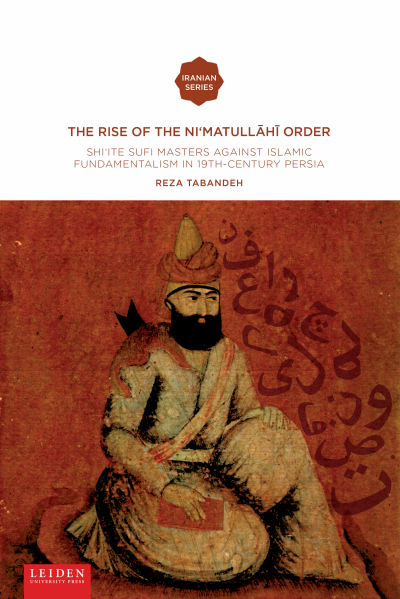
How were the Ni‘matullāhī masters successful in reviving Ni‘matullāhī Sufism in Shi‘ite Persia? This book investigates the revival of the Ni‘matullāhī Sufi order after the death of the last Indian Ni‘matullāhī master, Riḍā ‘Alī Shāh (d. 1214/1799) in the Deccan. After the fall of Safavids, the revival movement of Ni‘matullāhī order began with the arrival in Persia of the enthusiastic Indian Sufi master, Ma‘ṣūm ‘Alī Shāh, during the last quarter of the eighteenth century. Later, at the beginning of the nineteenth century, Persian masters of the Ni‘matullāhī Order were able to solidify the order’s place in the mystical and theological milieu of Persia. Ma‘ṣūm ‘Alī Shāh and his disciples soon spread their mystical and ecstatic beliefs all over Persia. They succeeded in converting a large mass of Persians to Sufi teachings, despite the opposition and persecution they faced from Shi‘ite clerics, who were politically and socially the most influential class in Persia. The book demonstrates that Ḥusayn ‘Alī Shāh, Majdhūb ‘Alī Shāh, and Mast ‘Alī Shāh were able to consolidate the social and theological role of the Ni‘matullāhī order by reinterpreting and articulating classical Sufi teachings in the light of Persian Shi‘ite mystical theology.
Publikation durchsuchen
Bibliographische Angaben
- Auflage
- 1/2021
- Copyrightjahr
- 2021
- ISBN-Print
- 978-90-8728-367-4
- ISBN-Online
- 978-94-006-0412-4
- Verlag
- Leiden University Press, Leiden
- Reihe
- Iranian Studies Series
- Sprache
- Englisch
- Seiten
- 323
- Produkttyp
- Monographie
Inhaltsverzeichnis
- Table of Contents
- Acknowledgements
- System of Transliteration
- The Rise of the Safavids and the Establishment of Shi’ism in Iran
- The Political Milieu
- The Religious Milieu
- The Literary and Intellectual Milieu
- The Mystical Milieu: The Sufis and Their Orders
- The Niʿmatullāhī Order
- The Dhahabī Order
- The Naqshbandī Order
- The Qādirī Order
- The Ahl-i Ḥaqq Order
- Theosophical Sufism
- The Jurist-Sufi Conflict in Timurid and Turkemen Persia
- Shi‘ism and Sufism in Safavid Iran
- The Importation of Shiʿite Clerics from Lebanon
- Qalandars and Libertinism
- The Qizilbāsh and the Safavid Monarchs
- The School of Isfahan
- Clerical Opposition to Sufism in Safavid Persia
- The Afsharid Dynasty (1148-1163/1736-1796)
- Karīm Khān Zand
- ʿAlī Murād Khān (r. 1195-1199/1781-1785)
- The Jurist-Sufi Conflict in Qājār Iran: Āqā Muḥammad Khān (r. 1195-1211/1782-1798)
- Conclusion
- Introduction
- Shiraz and Karīm Khān Zand
- Isfahan and ʿAlī Murād Khān
- Tehran, Kirmān, Mashhad and Hirāt
- Najaf, Karbalā and Kirmānshāh
- From Popular Mysticism to Elitist Sufism
- The Anti-Sufi Movement of the Shiʿite Uṣūlī Scholars
- The Niʿmatullāhī Sufi Order and Nūr ʿAlī Shāh
- The Niʿmatullāhī Sufi Order and Muẓaffar ʿAlī Shāh
- Conclusion
- The Socio-Political Situation of Sufism in Early 19th-Century Persia
- Religious Opposition to Sufism in Early 19th-Century Persia
- Ḥusayn ʿAlī Shāh: Preacher and Mystic
- Ḥusayn ʿAlī Shāh and the Polemics of Henry Martyn
- Henry Martyn’s Confrontation with Shiʿite Clerics
- Refutations (jawābīyya) of Henry Martyn’s tracts
- Mullā Muḥammad Riḍā Hamadānī
- Mīrzā Abū al-Qāsim (Sukūt)
- Alī Nūrī (d. 1245/1830)
- Mullā Aḥmad Narāqī (d. 1245/1829)
- Abū al-Qāsim Qumī (d. 1231/1816)
- The Unity of Religions
- Miracles
- The Qur’ān as Miracle
- Islamic Canon Law
- Shiʿism
- Intercession (shifā‘at) in Christianity and Shiʿism
- The ‘People of the Book’
- Conclusion
- Introduction
- The Life of Majdhūb ʿAlī Shāh
- Imitation (taqlīd)
- The ‘Divine Faculty’ (quwwa qudsīyya)
- Vocal Dhikr (dhikr-i jalī) vs. Silent Dhikr (dhikr-i khafī)
- Dhikr with Permission (dhikr ba ijāza)
- Majdhūb’s Views about Shiʿite Extremism (ghuluww)
- Contemplative Vigilance (murāqaba)
- The Spiritual Heart (qalb)
- The Unity of Being (waḥdat al-wujūd)
- Heterodox and Orthodox Theories of the waḥdat al-wujūd
- The Heterodox School of the Unity of Being
- Intuitive Philosophy (dhawq-i ta’aluh)
- The Theory of Theophany (tajallī)
- Two Types of Theophany
- The Theory of Divine Light
- Spiritual Disclosure (kashf)
- Creation
- The Spiritual Leaders: The Shiʿite Imāms
- The Gnostics (‘urafā’)
- Annihilation and Subsistence (fanā’ and baqā’)
- Muslim Sects and Heretical Sufism
- Shiʿite Heretics
- Shiʿite Sufism
- Sunni Sufism
- Heretical Sufism
- Incarnationism (ḥulūl) and Unificationism (ittiḥād)
- Nuqṭawīyya
- Wāṣilīyya (Mystics United with God)
- ‘Ushshāqīyya (The Lovers)
- Tanāsukhīyya (Transmigration and Reincarnation)
- Conclusion
- Introduction
- Disclosure of Gnosis (Kashf al-ma‘ārif)
- The Meadow of Travel (Rīyāḍ al-Sīyāḥa)
- The Walled Garden of Travel (Ḥadā’iq al-Sīyāḥa)
- The Garden of Travel (Bustān al-Sīyāḥa)
- Mast ʿAlī Shāh’s Mystical Theology and Sufism
- Uṣūlīs and Akhbārīs
- Sufi Apologetics
- The Unity of Being (waḥdat al-wujūd)
- The Perfect Man (insān-i kāmil)
- Sainthood (wilāyat) and Prophethood (nubuwwat)
- Divine Unity (tawḥīd)
- Vision of God (ru’yā allah)
- Knowledge (ʿilm)
- The Divine Faculty (quwwa qudsīyya)
- Imitation (taqlīd)
- The Spiritual Path (ṭarīqat)
- Master and Guide
- The Muslims and the Faithful (mu’min)
- The Tried and Tested Faithful Believer (mu’min mumtaḥan)
- Authentic Sufis (ṣūfīyya ḥaqqa)
- The School of Illumination (ishrāq)
- Intuitive Philosophy (dhawq-i ta’aluh)
- Sufism and Pseudo-Sufism
- Imitators of Sufis (mutishabihān)
- Upright Sufi Lookalikes (mutishabihāni muḥiq) resume
- The False Sufi lookalikes (mutishabihān-i mubṭil)
- The Naqshbandī Order
- Mast Ali Shāh and Jurist-Sufi Conflict in Qājār Iran
- Conclusion
- Ḥusayn ʿAlī Shāh’s Intellectual Contribution to the Niʿmatullāhī Order
- Majdhūb ʿAlī Shāh’s Intellectual Contribution to the Defence of Sufism
- Mast ʿAlī Shāh’s Intellectual Contribution to the Defence of Sufism
- Ḥusayn ʿAlī Shāh, Majdhūb ʿAlī Shāh and Mast ʿAlī Shāh and Their Battle with Islamic Fundamentalists
- AfterwordSeiten 209 - 210 Download Kapitel (PDF)
- NotesSeiten 211 - 270 Download Kapitel (PDF)
- BibliographySeiten 271 - 280 Download Kapitel (PDF)
- IndexSeiten 281 - 308 Download Kapitel (PDF)