, um zu prüfen, ob Sie einen Vollzugriff auf diese Publikation haben.
Monographie Kein Zugriff
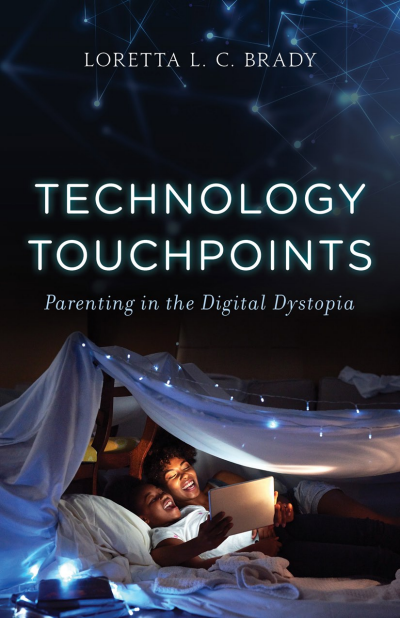
Technology Touchpoints
Parenting in the Digital Dystopia
Autor:innen:
Verlag:
2022
Zusammenfassung
Analyzes the influence of technology and social media on human development with parents and families in mind.
This is a story about a family coming of age at the same time as smartphones and social media; a multiracial family coming into its own as windows into social injustice opened up before our very screens; and a multi-parent multi-professional family with children living differently depending on which house and which combination of family members happen to be home. While it is a story about a family, it is really the story of technological and global changes unfolding on our doorsteps.
While many revile the ascendance of smartphones and social media and the way they suck us into the vortex of cyberspace, there are cultural touchpoints that reflect deeper human and technology development patterns, patterns which we would all do well to understand, no matter whether or how we choose to engage in the ever-innovating digital frontiers. Informed by research and interviews with leaders in policy, human development, ethics, and technology Loretta Brady helps readers understand the complex systemic challenges and findings related to technology and human development.
We do not have to hate or fear technology. It is neither friend nor foe. But understanding its impact on our daily lives is paramount to cultivating a healthier relationship both with our digital lives and our real, lived ones.
Schlagworte
Publikation durchsuchen
Bibliographische Angaben
Copyrightjahr
2022
ISBN-Print
978-1-5381-6392-4
ISBN-Online
978-1-5381-6393-1
Verlag
Rowman & Littlefield, Lanham
Sprache
Englisch
Seiten
264
Produkttyp
Monographie
Inhaltsverzeichnis
KapitelSeiten
Contents Kein Zugriff
Acknowledgments Kein Zugriff
Introduction Kein Zugriff
1 • Parenting in the Age of Anti-Social Media Kein Zugriff Seiten 1 - 10
2 • Selfies, “Usies,” and Attachment Kein Zugriff Seiten 11 - 20
3 • Memes, Meaning, and Me Kein Zugriff Seiten 21 - 34
4 • The Good, the Bad, and the Ugly Kein Zugriff Seiten 35 - 48
5 • Sensitive Periods, Disparate Impact, and Sensitization Kein Zugriff Seiten 49 - 62
6 • Technology Touchpoints Kein Zugriff Seiten 63 - 74
7 • Bonding Kein Zugriff Seiten 75 - 88
8 • Befriending and Believing Kein Zugriff Seiten 89 - 100
9 • Becoming Kein Zugriff Seiten 101 - 116
10 • Building Kein Zugriff Seiten 117 - 134
11 • Bridging Kein Zugriff Seiten 135 - 148
12 • Value and Values Kein Zugriff Seiten 149 - 162
13 • Regulation, but Whose? Kein Zugriff Seiten 163 - 179
14 • Socializing Social Media Kein Zugriff Seiten 180 - 196