, to see if you have full access to this publication.
Monograph No access
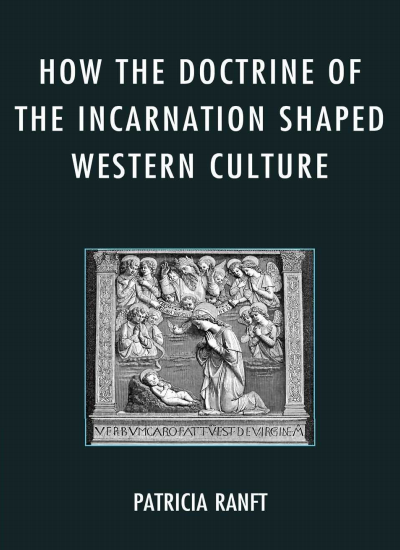
How the Doctrine of Incarnation Shaped Western Culture
Authors:
Publisher:
2012
Summary
In recent years numerous scholars in disciplines not traditionally associated with theology have promoted an interesting thesis. They maintain that one particular Christian doctrine, the Incarnation, had an inordinate influence on the shape of Western culture. The doctrine, they say, was so radical that it mandated an epistemological break with pagan society’s perception of the universe and forced Christians to form a new culture. As medieval society worked out the consequences of the doctrine, it gave birth to those attitudes, institutions, and actions that define modern Western culture. The claims are well argued, but it is a historically untested thesis. How the Doctrine of Incarnation Shaped Western Culture is a response to the situation. It investigates whether the presence of the doctrine had the definitive effect on Western culture that so many scholars claim it did. It searches early Christian and medieval sources for evidence and concludes that the doctrine had a dominant effect on the developing culture. No other idea was as omnipresent or pervasive in Western society during its formative stage as the Incarnation doctrine. The doctrine was influential in the establishment of every major facet of Western culture. Its paradox, irrationality, and juxtaposition of opposites created a tension that cried out for resolution, and society responded accordingly. The ideas within the doctrine acted as catalysts for cultural change. As a result, the West developed its most characteristic traits and forged a path that was uniquely its own.
Keywords
Search publication
Bibliographic data
Edition
1/2012
Copyright Year
2012
ISBN-Print
978-0-7391-7432-6
ISBN-Online
978-0-7391-7433-3
Publisher
Lexington, Lanham
Language
English
Pages
262
Product Type
Monograph
Table of contents
ChapterPages
Table of Contents No access
Chapter One Reason for the Study No access
Chapter Two Formulation of the Doctrine of the Incarnation No access
Chapter Three Early Reflections on the Doctrine and Its Impact No access
Chapter Four The West Establishes Itself No access
Chapter Five Intellectual Stirrings: The Eucharistic Debates and Anselm No access
Chapter Six Peter Damian: New Ideas and Attitudes No access
Chapter Seven The Doctrine in Women’s Thoughts and Actions No access
Chapter Eight Individualism, Political Discourse, and Science No access
Chapter Nine Reconciling the Doctrine as Catalyst with Historiography No access
Concluding Remarks No access Pages 235 - 236
Bibliography No access Pages 237 - 256
Index No access Pages 257 - 262
Similar publications
from the topics "Religion und Theologie allgemein"