, to see if you have full access to this publication.
Monograph No access
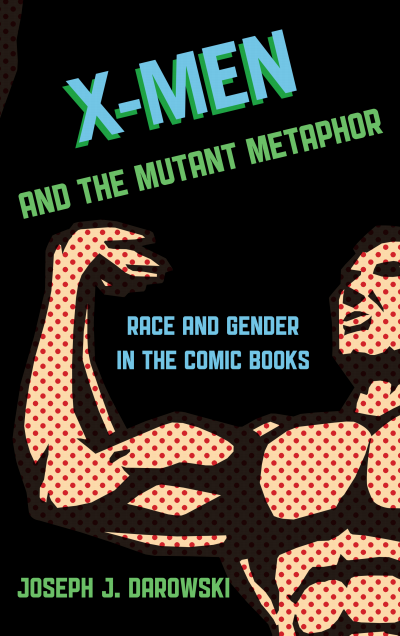
X-Men and the Mutant Metaphor
Race and Gender in the Comic Books
Authors:
Publisher:
2014
Summary
First appearing in 1963, The Uncanny X-Men had a rough start, lasting until 1970 when the comic book was canceled due to low sales. Following a relaunch in 1975, however, it found new popularity thanks to intricate scripting by Chris Claremont and the artwork of John Byrne. Within a few years, The Uncanny X-Men was one of Marvel Comics’ best-selling series and over the decades it became one of the most successful and popular franchises in comic book history. Spin-off titles, mini-series, multimedia adaptations, and a massively expanded cast of characters followed. One of the reasons for the success of X-Men is its powerful “mutant metaphor,” which enhances the stories with cultural significance and the exploration of themes such as societal prejudice and discrimination.
In X-Men and the Mutant Metaphor: Race and Gender in the Comic Books, Joseph J. Darowski thoroughly analyzes The Uncanny X-Men, providing its historical background and dividing the long-running series into distinct eras. Each chapter examines the creators and general plot lines, followed by a closer analysis of the principal characters and key stories. The final chapter explores the literal use of race and gender rather than the metaphorical or thematic ways such issues have been addressed. This analysis includes insights gained from interviews with several comic book creators, and dozens of illustrations from the comic book series. Of particular significance are statistics that track the race and gender of every X-Men hero, villain, and supporting character. By delving into the historical background of the series and closely examining characters and stories, X-Men and the Mutant Metaphor illuminates an important popular culture phenomenon.
Search publication
Bibliographic data
Edition
1/2014
Copyright Year
2014
ISBN-Print
978-1-4422-3207-5
ISBN-Online
978-1-4422-3208-2
Publisher
Rowman & Littlefield, Lanham
Language
English
Pages
204
Product Type
Monograph
Table of contents
ChapterPages
CONTENTS No access
ACKNOWLEDGMENTS No access
INTRODUCTION No access
Ch01. UNDERSTANDING THE X-MEN No access Pages 1 - 18