, to see if you have full access to this publication.
Monograph No access
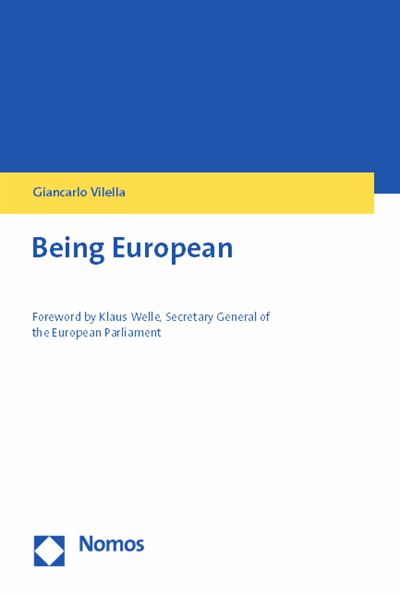
Being European
Foreword by Klaus Welle, Secretary General of the European Parliament
Authors:
Publisher:
2017
Summary
This book starts by posing a question: what does “Being European” mean? In order to answer this, the book first analyses the fundamental characteristics of the EU: it has been constructed step by step, nothing is imposed on its members, decisions are taken collectively and it has a unique multilevel legal system. Then, the book analyses the biggest problems of our time: migrants, terrorism and populism, and not only finds where the limits of the EU’s areas of competence lie, but also identifies the real action taken to combat those problems. As a third issue, the book analyses how the EU managed the economic crisis and shows how, from a global perspective, it has been the epitome of solidarity and the preservation of the welfare state. The three chapters demonstrate that a lot of manipulation or ignorance underlie criticism of the EU. The last chapter gives a definitive answer to the initial question on the basis of the previous analysis: no new changes are needed, but the present system has to be strengthened. In order to achieve this goal, we need to focus on our common culture, which has been shaped over the centuries, and our common identity. The Berlin Declaration of 2007 is our best reference point: democracy, freedom, the rule of law, human rights and solidarity are the elements that define our European identity, a unique approach in the world that must be defended and developed: in this respect, the EU is a pillar for the future of humanity.
Search publication
Bibliographic data
Edition
1/2017
Copyright Year
2017
ISBN-Print
978-3-8487-4258-5
ISBN-Online
978-3-8452-8503-0
Publisher
Nomos, Baden-Baden
Language
English
Pages
105
Product Type
Monograph
Table of contents
ChapterPages
Titelei/Inhaltsverzeichnis No access Pages 1 - 12
Prolegomenon No access Pages 13 - 16
1.1. Introduction No access
1.2. Step by step No access
1.3. An integrated, layered system No access
1.4. A democratic system No access
1.5. Better functioning No access
1.6. Economic governance No access
1.7. The Union, its values and its citizens No access
1.8. Getting acquainted with the European Union No access
2.1. Mala tempora No access
2.2. Tough financial outlook negotiations No access
2.3. The May 2014 European elections No access
New nationalism and populism No access
Migrants and refugees No access
International terrorism No access
2.5. Difficulties and complexities No access
3.1. From the beginning of the crisis to the Stability Mechanism (2007-2012) No access
3.2. The antinomy of “austerity” and growth (2012-2014) No access
The role of the European Central Bank No access
Far-reaching interventions and measures No access
The Greek case No access
Brexit and beyond No access
4.1. Some considerations No access
4.2. A new paradigm No access
4.3. The fundamental and founding values of being European No access