, to see if you have full access to this publication.
Monograph No access
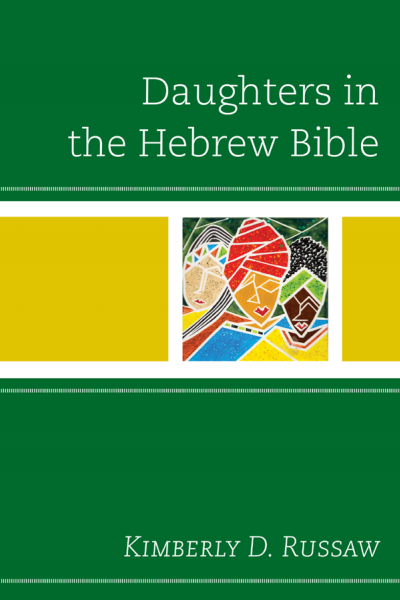
Daughters in the Hebrew Bible
Authors:
Publisher:
2018
Summary
While the expectations and circumstances of women’s lives in ancient Israel have received considerable attention in recent scholarship, to date little attention has been focused on the role of daughters in Hebrew narrative‒‒that is, of yet unmarried female members of the household, who are not yet mothers. Kimberly D. Russaw argues that daughters are more than foils for the males (fathers, brothers, etc.) in biblical narratives and that they often use particular tactics to navigate antagonistic systems of power in their worlds. Institutions and power structures favor the patriarch, sons inherit such privileges and benefits, and wives and mothers are ascribed special status because they ensure the patrilineal legacy by birthing sons; but daughters do not receive such social favor or standing. Instead of privileging daughters, systems and institutions control their bodies, restrict their access, and constrict their movement. Combining philological data, social-science models, and cross-cultural comparisons, Russaw examines the systems that constrict biblical daughters in their worlds and the strategies they employ when hostile social forces threaten their well-being.
Keywords
Search publication
Bibliographic data
Edition
1/2018
Copyright Year
2018
ISBN-Print
978-1-9787-0048-2
ISBN-Online
978-1-9787-0049-9
Publisher
Lexington, Lanham
Language
English
Pages
226
Product Type
Monograph
Table of contents
ChapterPages
Preface No access Pages i - xii
Chapter 1 No access Pages 1 - 30
Chapter 2 No access Pages 31 - 48
Chapter 3 No access Pages 49 - 68
Chapter 4 No access Pages 69 - 104
Chapter 5 No access Pages 105 - 122
Chapter 6 No access Pages 123 - 178
Chapter 7 No access Pages 179 - 182
References No access Pages 183 - 212
Index No access Pages 213 - 224
About the Author No access Pages 225 - 226
Similar publications
from the topics "Religion und Theologie allgemein"