, to see if you have full access to this publication.
Monograph No access
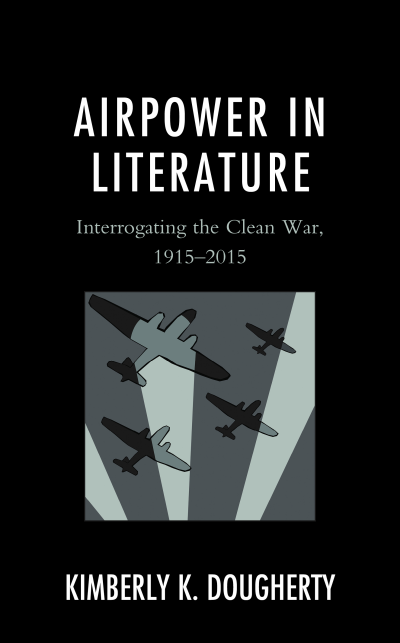
Airpower in Literature
Interrogating the Clean War, 1915–2015
Authors:
Publisher:
2022
Summary
The first century of airpower has ended, yet few critics have addressed the literature that chronicles its human toll. Airpower in Literature: Interrogating the Clean War, 1915-2015 offers fresh insight into this airpower century by placing literature of five major wars in conversation with the clean war discourse. Kimberly Dougherty examines the paradoxical representation of aerial warfare that has allowed extensive airstrikes on cities and civilians while promising a “cleaner” method of waging war. First suggested by early military theorists, the notion of a clean air war—one that would save lives through its speed and precision— proved seductive in the twentieth century and continues to shape the rhetoric of airpower today. The air war is perceived as clean, the author argues, when we see neither the aviator nor the targeted populations in the bombing dynamic. Through analysis of fiction, poetry, drama, and journalism, from the ruins of World War I to the technologies of post-modern war, the author identifies counternarratives that make visible both aviators and bombed societies, and present aerial warfare that is not clean, but messy, prolonged, and imprecise. This exploration encourages readers, and writers, to approach the next century of airpower with greater wisdom and empathy.
Keywords
Search publication
Bibliographic data
Edition
1/2022
Copyright Year
2022
ISBN-Print
978-1-7936-5308-6
ISBN-Online
978-1-7936-5309-3
Publisher
Lexington, Lanham
Language
English
Pages
224
Product Type
Monograph
Table of contents
ChapterPages
Contents No access
Acknowledgments No access
Introduction No access Pages 1 - 18
1: Cather and Faulkner Expose the Myth of Aerial Chivalry in One of Ours and Soldiers’ Pay No access Pages 19 - 38
2: Periphery to Metropole No access Pages 39 - 70
3: Exposing the Invisible Aviator No access Pages 71 - 104
4: Writing the Bombed City for “Unbombed America” No access Pages 105 - 140
5: Discursive Distancing on the Vague Frontier No access Pages 141 - 162