, to see if you have full access to this publication.
Monograph No access
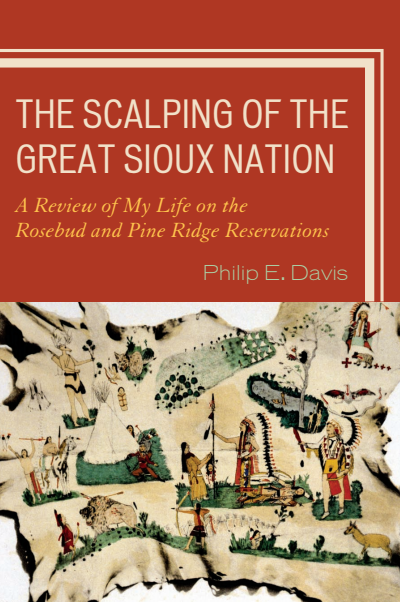
The Scalping of the Great Sioux Nation
A Review of My Life on the Rosebud and Pine Ridge Reservations
Authors:
Publisher:
2009
Summary
The Scalping of the Great Sioux Nation recalls Davis' early upbringing and education on two Indian reservations. Davis also assesses the policies of the United States government regarding the status of Indians in society. Scalping is not too strong a term to describe the multiple injustices which the Sioux tribes of South Dakota and elsewhere have suffered. The general hate and bigotry which Custer often displayed toward Indians (and blacks) only reflected a similar feeling among many white settlers, presidents, and congressmen. The Indian struggle for survival, self-governance, and sovereignty has met with limited success since the days of the white and Indian massacres. Federal Indian law has changed slightly to accommodate those desires. Casino gaming has added another dimension to the struggle for decent living conditions, but with dubious consequences for the average Indian.
Search publication
Bibliographic data
Edition
1/2009
Copyright Year
2009
ISBN-Print
978-0-7618-4825-7
ISBN-Online
978-0-7618-4826-4
Publisher
Hamilton Books, Lanham
Language
English
Pages
176
Product Type
Monograph
Table of contents
ChapterPages
Contents No access
Preface No access
Chapter One. Rosebud No access
Chapter Two. Pine Ridge No access
Chapter Three. Paha Sapa (Black Hills) No access
Chapter Four. Fort Laramie Treaty of 1868 No access
Chapter Five. Little Big Horn and Wounded Knee No access
Chapter Six. Indian Boarding Schools No access
Chapter Seven. Scalping of the Great Sioux Nation No access
Chapter Eight. The Underlying Rationale for Dispossession No access
Chapter Nine. Custer’s Extraordinary Influence No access
Chapter Ten. Federal Indian Law and Self-Governance No access
Chapter Eleven. Tribal Sovereignty and Casino Gaming No access