, to see if you have full access to this publication.
Monograph No access
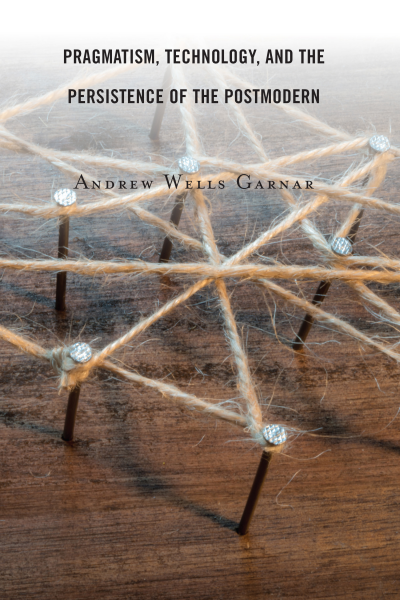
Pragmatism, Technology, and the Persistence of the Postmodern
Authors:
Publisher:
2020
Summary
Is postmodernity over? Does postmodernism still have anything important to say? Pragmatism, Technology, and the Persistence of the Postmodern argues “yes” to both. Despite the claims of a number of scholars that “postmodern” is over and done with, Andrew Wells Garnar demonstrates its continued relevance by carefully examining the use of information and communication technologies. These technologies illustrate many important postmodern concepts, thus showing the continued significance of postmodern philosophy. Garnar reconstructs these concepts with the tools of classical pragmatism. By engaging with pragmatists as well as with the thought of Jean-François Lyotard, Albert Borgmann, and others, this book produces a revitalized vision of both pragmatism and the postmodern. This version of pragmatism reflects the tenor of the times in a more nuanced way, while also showing how the postmodern continues to play out in contemporary life. Pragmatism, Technology, and the Persistence of the Postmodern shows how a pragmatic conception of technology opens up possibilities for working within postmodernity to materially address social and technical problems.
Search publication
Bibliographic data
Edition
1/2020
Copyright Year
2020
ISBN-Print
978-1-4985-9759-3
ISBN-Online
978-1-4985-9760-9
Publisher
Lexington, Lanham
Language
English
Pages
166
Product Type
Monograph
Table of contents
ChapterPages
Dedication No access
Contents No access
Acknowledgments No access
Introduction No access
Chapter 1 Technology and the Postmodern Condition No access Pages 1 - 24
Chapter 2 The Continuing Necessity of Jean-François Lyotard No access Pages 25 - 46
Chapter 3 Taking the Attitude of the Other in Communication Networks No access Pages 47 - 66
Chapter 4 Proliferating Realities No access Pages 67 - 88
Chapter 5 How to Reconstruct “Timeless Time” No access Pages 89 - 108
Chapter 6 Pragmatism and the Garden No access Pages 109 - 134