, to see if you have full access to this publication.
Monograph No access
Oil in the Soil
The Politics of Paying to Preserve the Amazon
Authors:
Publisher:
2011
Summary
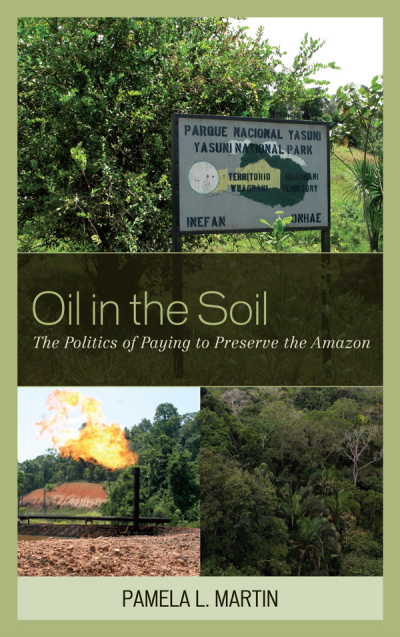
Paradise may have been found in the Western Amazon, but it is on the brink of destruction. Oil in the Soil analyzes the campaign to save the Ishpingo-Tambococha-Tiputini (ITT) block of Yasuní National Park in Ecuador's Amazon and the global networks that have resulted in one of the world's most innovative plans to save the Amazon and other biodiverse places on our planet. Pamela L. Martin examines the path-breaking global environmental governance mechanisms that have resulted from the transnational networks of the Yasuní-ITT campaign and their implications for replication around the world. The analysis of these networks reveals new dynamics of mobilization from the South, which may impact the future of global environmental negotiations. Martin also examines the alternative norms behind the initiative in the words of governmental and non-governmental actors. Such normative changes demonstrate the global struggles of the resource-dependent poor and provide insights toward new pathways of sustainable development for the planet.
Keywords
Search publication
Bibliographic data
Copyright Year
2011
ISBN-Print
978-1-4422-1128-5
ISBN-Online
978-1-4422-1130-8
Publisher
Rowman & Littlefield, Lanham
Language
English
Pages
148
Product Type
Monograph
Table of contents
ChapterPages
Contents No access
Acknowledgments No access
Acronyms No access
Chapter 1. Saving Yasuní and the Planet: Toward a Global Politics of the Good Life No access Pages 1 - 12
Chapter 2. Global Politics from the Canopy No access Pages 13 - 32
Chapter 3. History in Black, Green, and Red No access Pages 33 - 58
Chapter 4. Pay to Preserve: The Yasuní-ITT Trust Fund No access Pages 59 - 78
Chapter 5. Behind the Scenes: Agents, Norms, and Structure in the Quest to Save Yasuní No access Pages 79 - 110
Chapter 6. The Future of Global Governance in the Amazon: The Yasuní Effect No access Pages 111 - 130