, to see if you have full access to this publication.
Monograph No access
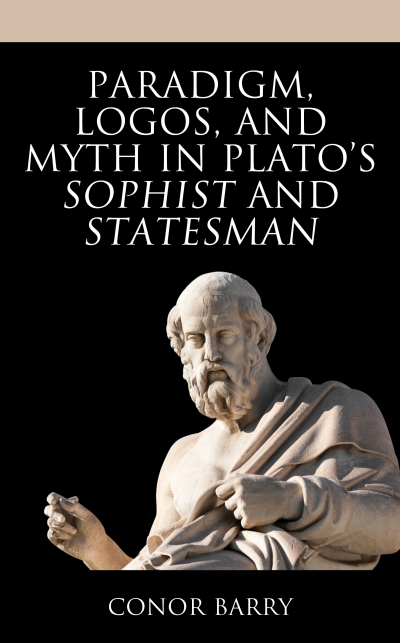
Paradigm, Logos, and Myth in Plato's Sophist and Statesman
Authors:
Publisher:
2022
Summary
In a sustained study of the Sophist and Statesman, this book explores the use of paradigm, logos, and myth. Plato introduces in these dialogues the term “paradigm” to signify an image or model that can be used to yield insight into higher, ethical realities that are themselves beyond direct visual portrayal. He employs the term to signify an inductive example that can be defined. Finally, Plato shows how to rework existing narrative and myth to an ethically appropriate end. Since this exercise in the Statesman is described as training in dialectic, in Paradigm, Logos, and Myth in Plato's Sophist and Statesman Conor Barry demonstrates how these later works expand the compass of dialectic beyond narrow conceptions that restrict the scope of dialectic to the use of logical techniques. Rather, dialectic is the practice of dialogue as portrayed in the Platonic dialogues, which can involve appeal to analogies and figurative expressions in the search for an understanding of the ethical good. Plato’s dialogues, as works of literary art, aim to lead people to seek such understanding. Nevertheless, insofar as the dialogues are themselves artistic productions, they must also be objects of critical scrutiny and questioning.
Keywords
Search publication
Bibliographic data
Edition
1/2022
Copyright Year
2022
ISBN-Print
978-1-7936-4903-4
ISBN-Online
978-1-7936-4904-1
Publisher
Lexington, Lanham
Language
English
Pages
310
Product Type
Monograph
Table of contents
ChapterPages
Contents No access
Introduction No access Pages 1 - 8
1. Mimesis in Plato No access Pages 9 - 40
2. Paradigm as Model which BringsT rue Judgment about the Invisible, Ethical Order of the Soul No access Pages 41 - 68
3. Collection, Division, Induction, and Deduction in Platonic Dialogues No access Pages 69 - 116
4. Dialectic and Rhetorical Composition No access Pages 117 - 160