, to see if you have full access to this publication.
Monograph No access
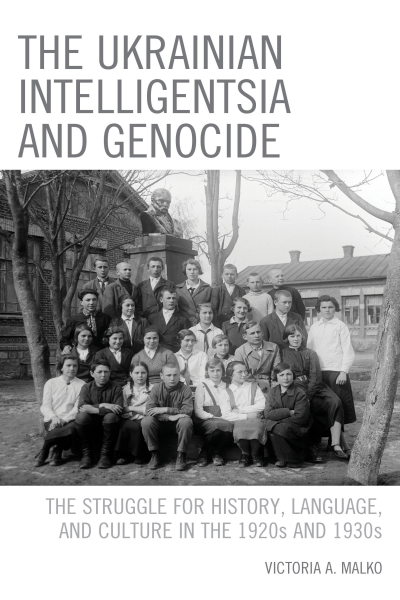
The Ukrainian Intelligentsia and Genocide
The Struggle for History, Language, and Culture in the 1920s and 1930s
Authors:
Publisher:
2021
Summary
This study focuses on the first group targeted in the genocide known as the Holodomor: Ukrainian intelligentsia, the “brain of the nation,” using the words of Raphael Lemkin, who coined the term genocide and enshrined it in international law. The study’s author examines complex and devastating effects of the Holodomor on Ukrainian society during the 1920–1930s. Members of intelligentsia had individual and professional responsibilities. They resisted, but eventually they were forced to serve the Soviet regime. Ukrainian intelligentsia were virtually wiped out, most of its writers and a third of its teachers. The remaining cadres faced a choice without a choice if they wanted to survive. The author analyzes how and why this process occurred and what role intellectuals, especially teachers, played in shaping, contesting, and inculcating history. Crucially, the author challenges Western perceptions of the all-Union famine that was allegedly caused by ad hoc collectivization policies, highlighting the intentional nature of the famine as a tool of genocide, persecution, and prosecution of the nationally conscious Ukrainian intelligentsia, clergy, and grain growers. The author demonstrates the continuity between Stalinist and neo-Stalinist attempts to prevent the crystallization of the nation and subvert Ukraine from within by non-lethal and lethal means.
Keywords
Search publication
Bibliographic data
Edition
1/2021
Copyright Year
2021
ISBN-Print
978-1-4985-9678-7
ISBN-Online
978-1-4985-9679-4
Publisher
Lexington, Lanham
Language
English
Pages
362
Product Type
Monograph
Table of contents
ChapterPages
Contents No access
List of Figures and Tables No access
Acknowledgments No access
Notes on Transliteration and Administrative Divisions No access
Introduction: Soviet Genocide against Ukrainians No access
Marxist-Leninist Roots of Soviet Genocide No access
Intelligentsia during the National Liberation Struggle, 1917–1921 No access
The Famine of 1921–1923 in Soviet Ukraine No access
Notes No access
Intelligentsia in the Fight for Socialism No access
Soviet Nationality Policy No access
The Crisis of 1926 No access
Notes No access
Deportations No access
Categories for Liquidation No access
The SVU Trial No access
Labor Camps No access
Forced Labor No access
Notes No access
Rebellions No access
Blockades No access
Implicated Subjects No access
Collapse of Schools No access
The End of Ukrainization No access
Notes No access
Legal Challenge No access
The “All-Union” Famine No access
Covering Up the Losses No access
Banning Books No access
Silencing the Truth No access
Notes No access
Legal Responsibility No access
Economic Aftermath No access
Social Effects No access
Psychological Effects No access
History and Memory No access
Notes No access
Biographical Sketches and Terminology No access Pages 269 - 304