, to see if you have full access to this publication.
Edited Book No access
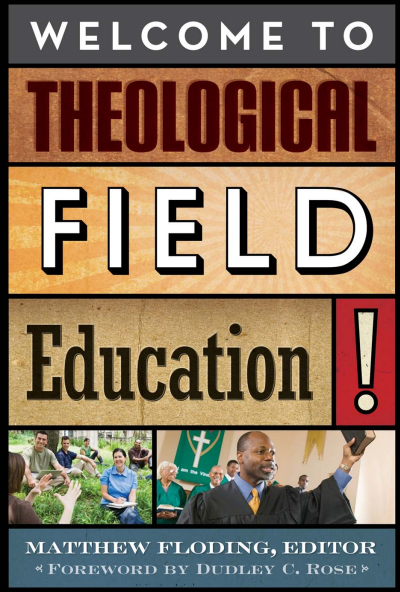
Welcome to Theological Field Education!
Authors/Editors:
| | | | | |
Publisher:
2010
Summary
Field education is an opportunity for students to develop ministry skills, practice ministerial reflection, discern their call, experience professional collegiality, and undergo personal transformation. Field education offers them a place to practice ministry and a space to reflect on it, to integrate theory and practice, and grow towards competency. In Welcome to Theological Field Education! eleven directors of field education in seminaries and divinity schools across North America pass on their wisdom to both students and their supervisors. Edited by Matthew Floding, director of field education at Western Seminary in Holland, Michigan, this volume covers critical topics such as the art of supervision and formation, the use of case studies and peer reflection groups, self-care and ministerial ethics, and assessment.
Formation for ministry is especially challenging at this time in the church's life. First, the explosion of knowledge, pluralism, and consumerism and a host of other complicating factors make huge demands on what a minister must know to be effective in ministry. Second, with the erosion of thick religious subcultures, the novice minister has fewer sources of practical wisdom to draw upon. The next generation of ministers, if they are to be more fully formed for ministry, depends on skilled mentoring alongside wise supervisors. This book is the tool to help them make the most of their field education experience.
Keywords
Search publication
Bibliographic data
Copyright Year
2010
ISBN-Print
978-1-56699-407-1
ISBN-Online
978-1-56699-689-1
Publisher
Rowman & Littlefield, Lanham
Language
English
Pages
206
Product Type
Edited Book
Table of contents
ChapterPages
Contents No access
Foreword No access
Preface No access
CHAPTER 1 What Is Theological Field Education? No access Pages 1 - 16
CHAPTER 2 The Art of Supervision and Formation No access Pages 17 - 30
CHAPTER 3 Ministerial Reflection No access Pages 31 - 44
CHAPTER 4 The Use of Case Studies in Field Education No access Pages 45 - 64
CHAPTER 5 The Power of Reflecting with Peers No access Pages 65 - 74
CHAPTER 6 The Forming Work of Congregations No access Pages 75 - 100
CHAPTER 7 Self-Care and Community No access Pages 101 - 114
CHAPTER 8 Ministerial Ethics No access Pages 115 - 132
CHAPTER 9 Language and Leadership No access Pages 133 - 154
CHAPTER 10 Considerations for Cross-Cultural Placement No access Pages 155 - 168
CHAPTER 11 Assessment and Theological Field Education No access Pages 169 - 190
Notes No access Pages 191 - 200
Bibliography No access Pages 201 - 204
Contributors No access Pages 205 - 206
Similar publications
from the topics "Religion und Theologie allgemein"