, to see if you have full access to this publication.
Monograph No access
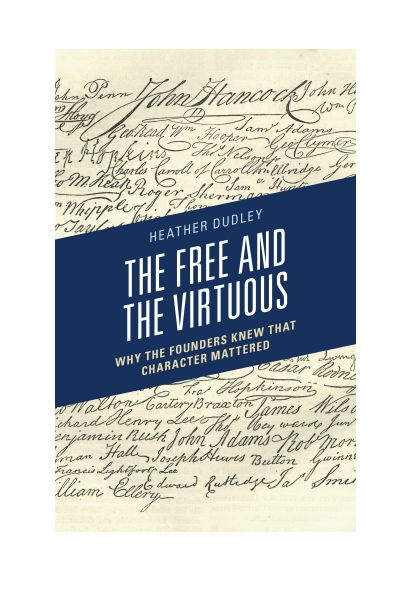
The Free and the Virtuous
Why the Founders Knew that Character Mattered
Authors:
Publisher:
2020
Summary
What did liberty mean to the American founding fathers? It was not just about limited government, protecting rights, and leaving people free to live their own definition of a good life. It was to be a movement toward the highest of human flourishing. A new genus of liberty had taken root here in the fresh American soil, and there was a special something—a moral discipline—that was inherent in the American character that would allow it to thrive. Above all, real liberty was dependent upon good character. The new nation had barely gotten any traction, however, when the founders’ ideal of a liberty based upon virtue began to lose its luster. Over time, liberty gradually became more about rights and less about the responsibility to be good. Character no longer matters, and we don’t seem to mourn the loss
Keywords
Search publication
Bibliographic data
Edition
1/2020
Copyright Year
2020
ISBN-Print
978-1-7936-0160-5
ISBN-Online
978-1-7936-0161-2
Publisher
Lexington, Lanham
Language
English
Pages
125
Product Type
Monograph
Table of contents
ChapterPages
Contents No access
Acknowledgments No access
Introduction No access
Chapter One: The Four-Note Chord of Liberty No access Pages 1 - 8
Chapter Two: The American Creed No access Pages 9 - 18
Chapter Three: The Classical Roots of Virtue No access Pages 19 - 30
Chapter Four: Greek Eleutheria and Roman Liberatas No access Pages 31 - 38
Chapter Five: Two Paths to Virtue No access Pages 39 - 48
Chapter Six: Benjamin Franklin and Thomas Jefferson No access Pages 49 - 68
Chapter Seven: Virtue or Rights? No access Pages 69 - 82
Chapter Eight: More Need of Masters No access Pages 83 - 94