, to see if you have full access to this publication.
Monograph No access
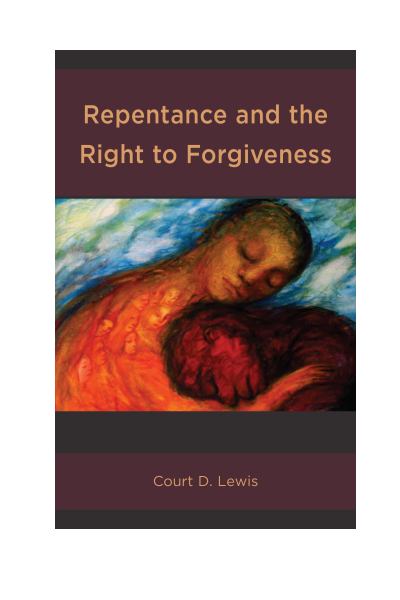
Repentance and the Right to Forgiveness
Authors:
Publisher:
2018
Summary
Repentance and the Right to Forgiveness adds the voice of rights theory to contemporary discussions on forgiveness. Rights have been excluded for two related reasons: first, forgiveness is often framed as “a gift” to wrongdoers; and second, rights suggest that victims are obligated in certain cases to forgive their wrongdoers. Such an obligation is often considered repugnant, for it unjustifiably wrongs (i.e., victimizes) victims, while benefiting wrongdoers. Repentance and the Right to Forgiveness overcomes this repugnancy by utilizing the moral theory of eirenéism to craft a rights-based theory of justice grounded in the inherent worth and intimate moral relationships between victims, wrongdoers, and their social community, in order to show that the particular needs of victims make the obligation to forgive self-beneficial while also promoting a peaceful state of just flourishing.
Keywords
Search publication
Bibliographic data
Edition
1/2018
Copyright Year
2018
ISBN-Print
978-1-4985-5860-0
ISBN-Online
978-1-4985-5861-7
Publisher
Lexington, Lanham
Language
English
Pages
145
Product Type
Monograph
Table of contents
ChapterPages
Contents No access
Introduction No access
1 Life-Goods and the Grounding of Eirenic Rights No access Pages 1 - 20
2 Repentance and the Right to Be Forgiven No access Pages 21 - 46
3 The Unforgivable and Vengeance No access Pages 47 - 86
4 Religious Obligations to Forgive No access Pages 87 - 112
5 Toward Reconciliation No access Pages 113 - 128
Epilogue No access Pages 129 - 134
Bibliography No access Pages 135 - 140
Index No access Pages 141 - 144
About the Author No access Pages 145 - 145
Similar publications
from the topics "Religion und Theologie allgemein"