, to see if you have full access to this publication.
Monograph No access
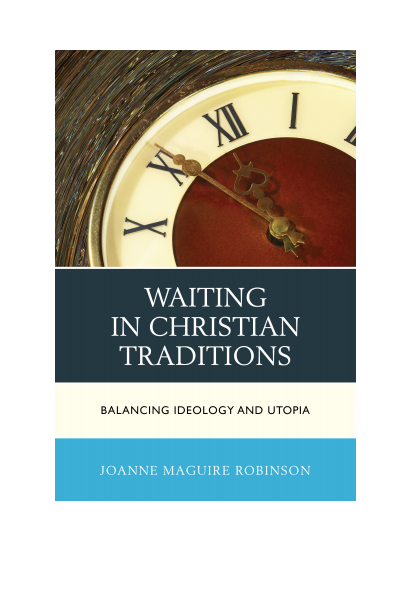
Waiting in Christian Traditions
Balancing Ideology and Utopia
Authors:
Publisher:
2015
Summary
Christians wait for prayers to be answered, for an afterlife in heaven, for the Virgin Mary to appear, and for God to speak. They wait to be liberated from oppression, to be “saved” or born again, for Easter morning to dawn, for healing, for conversion, and for baptism. Waiting and the disappointment and hope that often accompany it are explained in terms that are, at first glance, remarkably invariant across Christian traditions: what will happen will happen “on God’s time.” A study of sources from across Christian traditions shows that there is considerable complexity beneath this surface claim. Understandings of free will and personal agency alongside shifts in institutional and theological commitments change the ways waiting is understood and valued. Waiting is often considered a positive state to be endured as long as God wills, and that fundamental understanding helps keep the promises at the heart of Christianity alive. Scholars have long overlooked the problem and promise of waiting despite (or perhaps because of) its prevalence. Indeed, there are relatively few mystics, few who have undergone “sudden” conversion, and few who have attained saintly status. Many, however, have waited, and that problem remains prominent—and its solutions remain influential—in Christian traditions today.
Keywords
Search publication
Bibliographic data
Edition
1/2015
Copyright Year
2015
ISBN-Print
978-0-7391-8939-9
ISBN-Online
978-0-7391-8940-5
Publisher
Lexington, Lanham
Language
English
Pages
181
Product Type
Monograph
Table of contents
ChapterPages
Contents No access
Acknowledgments No access
Introduction No access
1 Ideology and Utopia in Time and Waiting No access Pages 1 - 30
2 Ideological and Utopian Foundations No access Pages 31 - 64
3 Advent Waiting No access Pages 65 - 88
4 Waiting in Stillness and Silence No access Pages 89 - 116
5 Agency in Waiting No access Pages 117 - 146
Conclusion No access Pages 147 - 158
Bibliography No access Pages 159 - 172
About the Author No access Pages 173 - 174
Index No access Pages 175 - 181
Similar publications
from the topics "Religion und Theologie allgemein"