, to see if you have full access to this publication.
Monograph No access
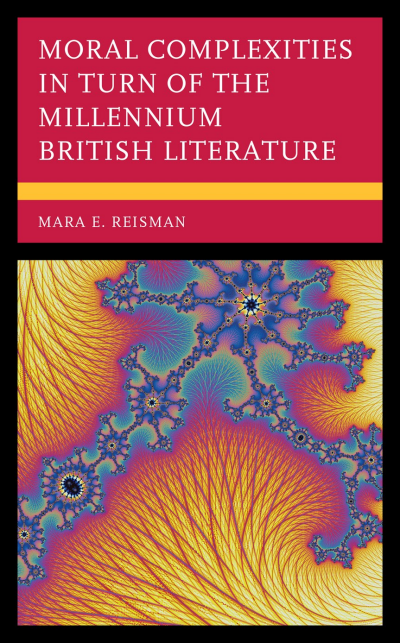
Moral Complexities in Turn of the Millennium British Literature
Authors:
Publisher:
2022
Summary
Moral Complexities in Turn of the Millennium British Literature offers a critical analysis of moral complexity and social responsibility in works by Kazuo Ishiguro, Patrick McGrath, Graham Swift, Andrea Levy, and Jeanette Winterson. Mara Reisman argues that through their writing, these authors reveal and upset literary, cultural, and political fictions and encourage readers to think carefully about language, power, community, and social justice. The book examines moral issues in two different ways: how books by these authors address morally complex social, political, and cultural issues and how their books serve a moral function by challenging readers to be socially engaged. Reisman provides an in-depth analysis of The Remains of the Day, Asylum, The Light of Day, Small Island, and The Daylight Gate and uses these books to discuss twentieth- and twenty-first-century British politics and culture. These books address a wide variety of issues often associated with moral judgments: war, racism, adultery, maternal neglect, murder, professional misconduct, witchcraft, and religion. Despite this diversity and settings that range from the seventeenth century to the late twentieth century, these books include similar arguments about how empathy, personal responsibility, and civic engagement can create more productive social relations and a less divided world.
Keywords
Search publication
Bibliographic data
Edition
1/2022
Copyright Year
2022
ISBN-Print
978-1-7936-4846-4
ISBN-Online
978-1-7936-4847-1
Publisher
Lexington, Lanham
Language
English
Pages
176
Product Type
Monograph
Table of contents
ChapterPages
Contents No access
Credits No access
Introduction No access Pages 1 - 10
Chapter One History, Morality, and Social Responsibility in Kazuo Ishiguro’s The Remains of the Day No access Pages 11 - 44
Chapter Two Destabilizing Institutional and Social Power in Patrick McGrath’s Asylum No access Pages 45 - 72
Chapter Three The Language of Transgression and Empathy in Graham Swift’s The Light of Day No access Pages 73 - 94
Chapter Four Negotiating Identity and Building Community in Andrea Levy’s Small Island No access Pages 95 - 128
Chapter Five Subverting Cultural and Political Power in Jeanette Winterson’s The Daylight Gate No access Pages 129 - 150