, to see if you have full access to this publication.
Monograph No access
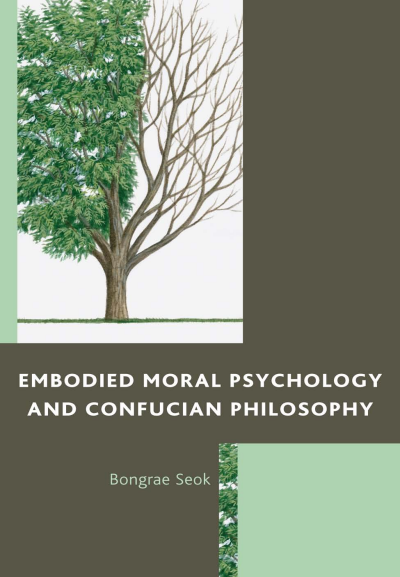
Embodied Moral Psychology and Confucian Philosophy
Authors:
Publisher:
2012
Summary
This is a book about the body and its amazing contribution to the moral mind. The author focuses on the important roles the body plays in moral cognition. What happens to us when we observe moral violations, make moral judgments and engage in moral actions? How does the body affect our moral decisions and shape our moral dispositions? Can embodied moral psychology be consistently pursued as a viable alternative to disembodied traditions of moral philosophy? Is there any school of philosophy where the body is discussed as the underlying foundation of moral judgment and action? To answer these questions, the author analyzes Confucian philosophy as an intriguing and insightful example of embodied moral psychology.
Keywords
Search publication
Bibliographic data
Edition
1/2012
Copyright Year
2012
ISBN-Print
978-0-7391-4893-8
ISBN-Online
978-0-7391-4894-5
Publisher
Lexington, Lanham
Language
English
Pages
199
Product Type
Monograph
Table of contents
ChapterPages
Contents No access
Preface No access
Acknowledgments No access
List of Figures and Tables No access
Chapter 1: What Is Embodied Cognition? Why Is It an Exciting Way to Understand the Mind? No access
Chapter 2: Embodied Moral Cognition and Confucian Philosophy No access
Chapter 3: Moral Psychology of Confucian Philosophy No access
Chapter 4: Qing, the Embodied Emotion No access
Chapter 5: Character or Situation? Situated Confucian Virtue No access