, to see if you have full access to this publication.
Edited Book No access
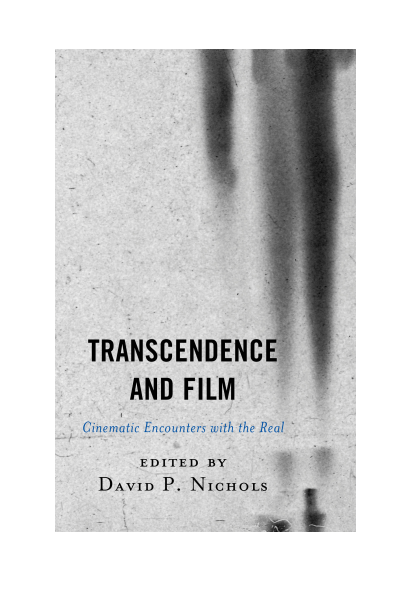
Transcendence and Film
Cinematic Encounters with the Real
Editors:
Publisher:
2019
Summary
In this edited collection of essays, ten experts in film philosophy explore the importance of transcendence for understanding cinema as an art form. They analyze the role of transcendence for some of the most innovative film directors: David Cronenberg, Karl Theodor Dreyer, Federico Fellini, Werner Herzog, Stanley Kubrick, David Lynch, Terrence Malick, Yasujiro Ozu, and Martin Scorsese. Meanwhile they apply concepts of transcendence from continental philosophers like Alain Badiou, Gilles Deleuze, Martin Heidegger, Michel Henry, Edmund Husserl, Karl Jaspers, Søren Kierkegaard, Maurice Merleau-Ponty, Friedrich Nietzsche, and Jean-Paul Sartre. Each of the ten chapters results in a different perspective about what transcendence means and how it is essential to film as an art medium. Several common threads emerge among the chapters. The contributors find that the limitations of human existence are frequently made evident in moments of transcendence, so as to bring characters to the margins of their assumed world. At other times, transcendence goes immanent, so as to emerge in experiences of the surprising nearness of being, as though for a radical intensification of life. Film can also exhibit “ciphers of transcendence” whereby symbolic events open us to greater realizations about our place in the world. Lastly, the contributors observe that transcendence occurs in film, not simply from isolated moments forced into a storyline, but in a manner rooted within an ontological rhythm peculiar to the film itself.
Search publication
Bibliographic data
Edition
1/2019
Copyright Year
2019
ISBN-Print
978-1-4985-7999-5
ISBN-Online
978-1-4985-8000-7
Publisher
Lexington, Lanham
Language
English
Pages
170
Product Type
Edited Book
Table of contents
ChapterPages
Contents No access
List of Illustrations No access
Introduction No access Pages 1 - 14
Chapter One: The Dream of Anxiety in David Lynch’s Mulholland Drive No access Pages 15 - 28
Chapter Two: Transcendence and Tragedy in My Son, My Son, What Have Ye Done No access Pages 29 - 46
Chapter Three: eXistenZ or Existenz: Transcendence in the Early Twenty-First Century No access Pages 47 - 62
Chapter Four: Earth and World: Malick’s Badlands No access Pages 63 - 76
Chapter Five: Pointing Toward Transcendence: When Film Becomes Art No access Pages 77 - 86
Chapter Six: Transcendence in Phenomenology and Film: Ozu’s Still Lives No access Pages 87 - 98
Chapter Seven: ASA NISI MASA: Kierkegaardian Repetition in Fellini’s 8 1/2 No access Pages 99 - 120
Chapter Eight: Transcendence and the Ineffable in Scorsese’s Silence No access Pages 121 - 136
Chapter Nine: La Passion de Jeanne d’Arc and the Cadence of Images No access Pages 137 - 146
Chapter Ten: Ciphers of Transcendence in 2001: A Space Odyssey No access Pages 147 - 162