, to see if you have full access to this publication.
Monograph No access
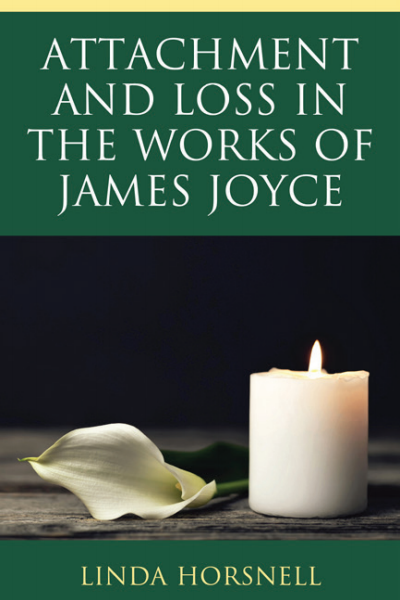
Attachment and Loss in the Works of James Joyce
Authors:
Publisher:
2021
Summary
Using John Bowlby's Attachment Theory as a frame of reference, Attachment and Loss in the Works of James Joyce critically analyzes James Joyce's representation of grief. Based on cognitive, emotional and behavioral elements, Attachment Theory allows for new and innovative readings to emerge which differ from those offered by Freudian, Lacanian, and Jungian paradigms. Acknowledging the importance of the Theory of Mind and Reader Response, this book uses the concept of internal working models to elucidate how the childhood experiences with which Joyce has endowed his protagonists ultimately leads to how they respond to loss. The texts of Dubliners, Portrait of the Artist and Ulysses, show how central separation and loss were to Joyce’s work. It provides examples of such experiences in different age groups, under differing circumstances and at different stages in the grief process. Attachment Theory highlights the complexity of human relationships throughout the life cycle, not only how they can affect the grief process but how grief affects them.
Keywords
Search publication
Bibliographic data
Edition
1/2021
Copyright Year
2021
ISBN-Print
978-1-7936-3561-7
ISBN-Online
978-1-7936-3562-4
Publisher
Lexington, Lanham
Language
English
Pages
230
Product Type
Monograph
Table of contents
ChapterPages
Contents No access
Preface No access
Acknowledgments No access
Abbreviations No access
Introduction No access Pages 1 - 8
The Development of Attachment Theory No access
Attachment Theory No access
The Representation of Character and Reader Response No access
Attachment Theory and Literary Interpretation No access