, to see if you have full access to this publication.
Edited Book No access
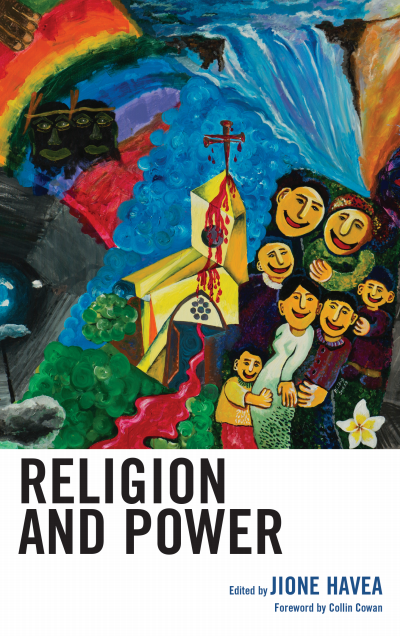
Religion and Power
Editors:
Publisher:
2020
Summary
Religion has power structures that require and justify its existence, spread its influence, and mask its collaboration with other power structures. Power, like religion, is in collaboration. Along this line, this book affirms that one could see and study the power structures and power relations of a religion in and through the missions of empires. Empires rise and roam with the blessings and protections of religious power structures (e.g., scriptures, theologies, interpretations, traditions) that in return carry, propagate and justify imperial agendas. Thus, to understand the relation between religion and power requires one to also study the relation between religion and empires.
Christianity is the religion that receives the most deliberation in this book, with some attention to power structures and power relations in Hinduism and Buddhism. The cross-cultural and inter-national contributors share the conviction that something within each religion resists and subverts its power structures and collaborations. The authors discern and interrogate the involvements of religion with empires past and present, political and ideological, economic and customary, systemic and local. The upshot is that the book troubles religious teachings and practices that sustain, as well as profit from, empires.
Keywords
Search publication
Bibliographic data
Edition
1/2020
Copyright Year
2020
ISBN-Print
978-1-9787-0354-4
ISBN-Online
978-1-9787-0355-1
Publisher
Lexington, Lanham
Language
English
Pages
210
Product Type
Edited Book
Table of contents
ChapterPages
Contents No access
Foreword No access
Chapter One: Stand Down, Sit Up, and Talanoa No access Pages 1 - 14
Chapter Two: Rescuing Christian Faith Traditions from Empire No access
Chapter Three: Transforming Discipleship: Faith, Love, and Hope after Empire No access
Chapter Four: Turn to the World: A Mandate for Orthodox Theology No access
Chapter Five: Appropriation of Religious Symbols as Political Capital No access
Chapter Six: Empire, Deep Solidarity, and the Future of Resistance No access
Chapter Seven: chanting down the shitstem: resistance with Anansi and Rastafari optics No access
Chapter Eight: The Chicano Student Movement as Religious and The Spiritual Plan of Aztlán as Scriptural and Utopian No access
Chapter Nine: Religion as the Ethico-Political Practice of Justice: Ambedkar as Guide No access
Chapter Ten: Babblers to the Rabble, Prophets to the Powerful: Mission in the Context of Empire No access
Chapter Eleven: (Global) Climate Crisis and (Detroit) Water Struggle: “Re-Schooling” Christianity through Indigenous Challenge No access
Chapter Twelve: Redeeming Country: Indigenous Peoples under Empires and Nation-States No access
Bibliography No access Pages 183 - 202
Index No access Pages 203 - 206
About the Contributors No access Pages 207 - 210
Similar publications
from the topics "Religion und Theologie allgemein"