, to see if you have full access to this publication.
Edited Book No access
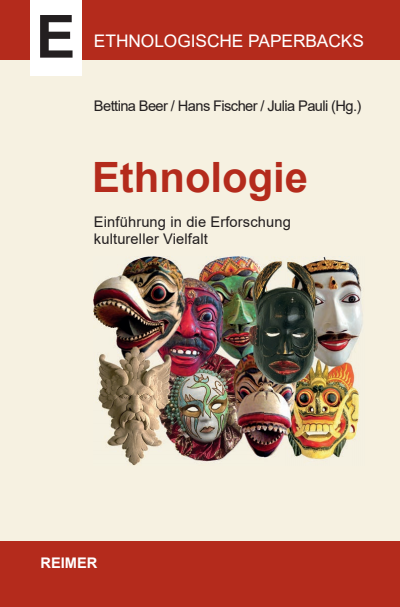
Ethnologie
Einführung in die Erforschung kultureller Vielfalt- Editors:
- | |
- Publisher:
- 2017
Search publication
Bibliographic data
- Edition
- 1/2017
- Copyright Year
- 2017
- ISBN-Print
- 978-3-496-03007-2
- ISBN-Online
- 978-3-496-03007-2
- Publisher
- Reimer, Berlin
- Language
- German
- Pages
- II
- Product Type
- Edited Book
Table of contents
ChapterPages
- Titelei/Inhaltsverzeichnis No access Pages 1 - 6
- Einleitung No access Pages 7 - 14Authors: |
- Ethnologie als wissenschaftliche Disziplin No access Pages 15 - 32Authors:
- Authors:
- 1. Antike und mittelalterliche Ethnographie No accessAuthors:
- 2. Die Entdeckung Amerikas und ihre Bedeutungfür die Ethnologie No accessAuthors:
- 3. Der imperiale Kontext der Institutionalisierungder Ethnologie No accessAuthors:
- 4. Die Ethnologie als empirische Sozialwissenschaft No accessAuthors:
- 5. Die postkoloniale Ethnologie No accessAuthors:
- 6. Weiterführende Literatur No accessAuthors:
- Authors:
- 1. Einleitung No accessAuthors:
- 2. Global, Lokal, Glokal und Transregional No accessAuthors:
- 3. Globalisierung von unten und postkoloniale Theorie No accessAuthors:
- 4. Räume, Netzwerke und Assemblagen No accessAuthors:
- 5. Zusammenfassung No accessAuthors:
- 6. Weiterführende Literatur No accessAuthors:
- Authors:
- 1. Kultur No accessAuthors:
- 2. Ethnie und Ethnizität No accessAuthors:
- 3. Zum Verhältnis von Kultur und Ethnizität No accessAuthors:
- 4. Fazit und Ausblick No accessAuthors:
- 5. Weiterführende Literatur No accessAuthors:
- Authors:
- 1. Einleitung No accessAuthors:
- 2. Feldforschung als Praxis des Sammelnsund Dokumentierens No accessAuthors:
- 3. Feldforschung als methodischer Prozessund biographische Prägung No accessAuthors:
- 4. Weiterführende Literatur No accessAuthors:
- Authors:
- 1. Einleitung No accessAuthors:
- 2. Vergleichsverfahren in der Ethnologie – ein Überblick No accessAuthors:
- 3. Problemstellungen, Ziele und Anwendungenheutiger ethnologischer Vergleichsverfahren No accessAuthors:
- 4. Ausblick No accessAuthors:
- 5. Weiterführende Literatur No accessAuthors:
- Authors:
- 1. Einleitung No accessAuthors:
- 2. Produktion No accessAuthors:
- 3. Formen der Wirtschaftsführung No accessAuthors:
- 4. Konsumtion No accessAuthors:
- 5. Distribution und Tausch No accessAuthors:
- 6. Theoretische Ansätze und Ausblick No accessAuthors:
- 7. Weiterführende Literatur No accessAuthors:
- Authors: |
- 1. Einleitung No accessAuthors: |
- 2. Verwandt werden No accessAuthors: |
- 3. Verwandtschaft beschreiben No accessAuthors: |
- 4. Verwandt handeln No accessAuthors: |
- 5. Verwandtschaft und andere soziale Netzwerke No accessAuthors: |
- 6. Weiterführende Literatur und Software No accessAuthors: |
- Authors:
- 1. Einleitung – Vier Probleme und drei analytische Ebenen No accessAuthors:
- 2. Vom Evolutionismus zur Handlungstheorie No accessAuthors:
- 3. Symbol, Ritual und Globalisierung No accessAuthors:
- 4. Widerstand und Macht No accessAuthors:
- 5. Indigenität und Global Governance No accessAuthors:
- 6. Feldforschung und Repräsentation No accessAuthors:
- 7. Doppelte Relationalität und Politikethnologie No accessAuthors:
- 8. Weiterführende Literatur No accessAuthors:
- Authors:
- 1. Einleitung No accessAuthors:
- 2. Religionsdefinitionen und ihre Probleme No accessAuthors:
- 3. Zentrale Fragestellungen und Debatten No accessAuthors:
- 4. Neuere Themenfelder und Forschungsansätze No accessAuthors:
- 5. Zusammenfassung und weiterführende Fragen No accessAuthors:
- 6. Weiterführende Literatur No accessAuthors:
- Authors:
- 1. Einleitung No accessAuthors:
- 2. Frauen werden wieder sichtbar:Die erste Phase der Frauenforschung No accessAuthors:
- 3. Die Konstruktion der Geschlechter:Differenz und Identität No accessAuthors:
- 4. Jenseits der Konstruktionsdebatten No accessAuthors:
- 5. Weiterführende Literatur No accessAuthors:
- Authors:
- 1. Identifikation No accessAuthors:
- 2. Wechsel No accessAuthors:
- 3. Koordinationskosten No accessAuthors:
- 4. Kontrolle No accessAuthors:
- 5. Vertrauen No accessAuthors:
- 6. Kosten teilen No accessAuthors:
- 7. Gedränge No accessAuthors:
- 8. Verteilung der Beute No accessAuthors:
- 9. Nische No accessAuthors:
- 10. Handel No accessAuthors:
- 11. Weiterführende Literatur No accessAuthors:
- Authors:
- 1. Warum Kognitionsethnologie? No accessAuthors:
- 2. Wie und womit arbeiten Kognitionsethnologen? No accessAuthors:
- 3. Was lehrt uns die Kognitionsethnologie? No accessAuthors:
- 4. Kognitionsethnologie – wohin? No accessAuthors:
- 5. Weiterführende und zentrale Literatur No accessAuthors:
- Authors:
- 1. Einleitung No accessAuthors:
- 2. Begriffsannäherung No accessAuthors:
- 3. Migration in der Fachgeschichte No accessAuthors:
- 4. Multikulturalismus und Integration No accessAuthors:
- 5. Diaspora und Transnationalismus No accessAuthors:
- 6. Kategorisierung, Bürokratisierungund Kommerzialisierung No accessAuthors:
- 7. Ethnologische Untersuchungseinheiten und -methoden No accessAuthors:
- 8. Ausblick No accessAuthors:
- 9. Weiterführende Literatur No accessAuthors:
- Authors:
- 1. Einleitung No accessAuthors:
- 2. Historische Grundlagen und Debattender Medienethnologie No accessAuthors:
- 3. Historisch gewachsene Medientechnologienund Alltagspraxis No accessAuthors:
- 4. Ausblick: Transkulturelle Medienethnologie No accessAuthors:
- 5. Weiterführende Literatur No accessAuthors:
- Authors:
- 1. Einleitung No accessAuthors:
- 2. Anfänge ethnograscher Sammlungen No accessAuthors:
- 3. Materielle Kultur im neunzehnten Jahrhundert No accessAuthors:
- 4. Materielle Kultur im frühen zwanzigsten Jahrhundert No accessAuthors:
- 5. Materielle Kultur nach 1950 I: Eine Renaissance No accessAuthors:
- 6. Materielle Kultur nach 1950 II: Weitere ideengeschichtlich relevante Positionen No accessAuthors:
- 7. Das soziale Leben der Dinge No accessAuthors:
- 8. Netzwerke und Ontologien No accessAuthors:
- 9. Ausblick No accessAuthors:
- 10. Weiterführende und zentrale Literatur No accessAuthors:
- Authors:
- 1. Mensch-Umwelt-Beziehungenals Feld ethnologischer Forschung No accessAuthors:
- 2. Kultur als Adaption No accessAuthors:
- 3. Ethnobiologie und Lokales Umweltwissen No accessAuthors:
- 4. Die symbolische Klassikation der Natur No accessAuthors:
- 5. Historische Ökologie No accessAuthors:
- 6. Politische Ökologie und Ressourcenmanagement No accessAuthors:
- 7. Naturschutz und die Idee der Nachhaltigkeit No accessAuthors:
- 8. Ausblick No accessAuthors:
- 9. Weiterführende Literatur No accessAuthors:
- Authors:
- 1. Einstieg in die Vielfalt städtischen Lebens: Makassar No accessAuthors:
- 2. Ethnologie und urbane Kultur:eine liaison contre nature? No accessAuthors:
- 3. Urbanität: Leben unter Fremden No accessAuthors:
- 4. Klassische und neue Themen:Etappen der Stadtethnologie No accessAuthors:
- 5. Methodische Zugänge: urbane Feldforschung No accessAuthors:
- 6. Ein Forschungsbeispiel: städtisches Denken No accessAuthors:
- 7. Weiterführende Literatur No accessAuthors:
- Authors: |
- 1. Einleitung No accessAuthors: |
- 2. Bedeutung und Herausbildung der Medizinethnologie No accessAuthors: |
- 3. Schlüsselbegriffe der Medizinethnologie No accessAuthors: |
- 4. Ansätze und Denktraditionen No accessAuthors: |
- 5. Forschungsfelder No accessAuthors: |
- 6. Neuere Entwicklungen und Ausblick No accessAuthors: |
- 7. Weiterführende Literatur No accessAuthors: |
- Authors:
- 1. Begriffliche Vorabklärung No accessAuthors:
- 2. Ein Blick in die Praxis No accessAuthors:
- 3. Von der Idee der Entwicklung zum Ende der Dritten Welt No accessAuthors:
- 4. Entwicklungsethnologie international No accessAuthors:
- 5. Entwicklungen außerhalb des Mainstream No accessAuthors:
- 6. Entwicklungsethnologie in Deutschland No accessAuthors:
- 7. Theoretische und methodologische Zugänge No accessAuthors:
- 8. Ethnologie der Entwicklung No accessAuthors:
- 9. Weiterführende Literatur No accessAuthors:
- Authors: |
- 1. Frühe Anfänge in kolonialen Kontexten No accessAuthors: |
- 2. Von strukturfunktionalistischen bis zupostkolonialen Forschungsansätzen No accessAuthors: |
- 3. „It depends!“ Zur umstrittenen Fragenach dem Gegenstand der Rechtsethnologieund dem Wesen von „Recht“ No accessAuthors: |
- 4. Rechtsethnologie in der Gegenwart alsParadigmenwechsel zum Rechtspluralismus No accessAuthors: |
- 5. Zur Vielfalt rechtsethnologischer Forschung No accessAuthors: |
- 6. Lawfare, Entrechtlichung und Gerechtigkeit:Ansätze einer kritischen Rechtsethnologie No accessAuthors: |
- 7. Die emanzipatorische Wendungrechtsethnologischer Forschung No accessAuthors: |
- 8. Weiterführende Literatur No accessAuthors: |
- Authors:
- 1. Einleitung No accessAuthors:
- 2. Kunst im kolonialen Archiv No accessAuthors:
- 3. Kulturrelativismus und Universalität der Kunst No accessAuthors:
- 4. Die lebensweltliche Perspektive No accessAuthors:
- 5. Die Suche nach Kreativität No accessAuthors:
- 6. Das Erbe der Moderne No accessAuthors:
- 7. Visuelle Kultur und ästhetische Praxis No accessAuthors:
- 8. Weiterführende Literatur No accessAuthors:
- Bibliographie No access Pages 405 - 476
- Zu den Autorinnen und Autoren No access Pages 477 - 478
- Register No access Pages 479 - 487
- Backcover No access Pages II - II