, to see if you have full access to this publication.
Monograph No access
Exploring Caste and Sexuality in Indian English Writing
Outcast Subcultures
Authors:
Publisher:
2024
Summary
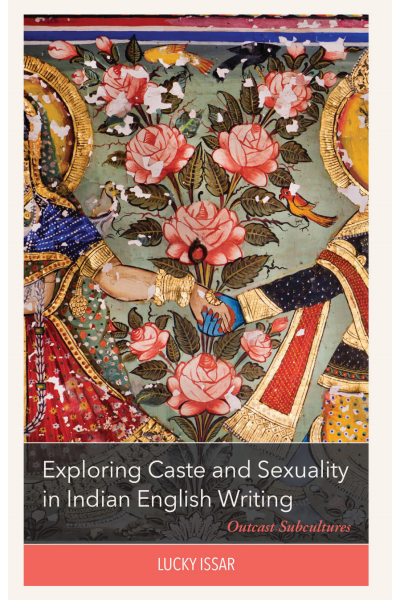
Exploring Caste and Sexuality in Indian English Writing: Outcast Subcultures examines the ways in which caste intersects and shapes matters of desire, gender, religion, and language. It demonstrates how postcolonial upper-caste theorists and fiction writers obscure caste, and when they do discuss it, they seem to reinforce it. Dominant brahminic discourse discusses issues concerning women's rights, equality, justice, and neocolonialism, but ignores caste-based discrimination and exclusion and the practice of untouchability which are everyday occurrences in Indian life. To understand the brahminic obsession with caste and sexuality, this book examines the works of Arundhati Roy, V. S. Naipaul, R. K. Narayan, and M. K. Gandhi, making a compelling argument that the freedom of choice in matters of sexuality was not unknown in medieval and ancient India: If the urban elite pursues desire freely today, so did the upper-caste men and women of Vatsyana's time. Unlike the upper-caste elite, caste regulated 'ordinary people' or Dalits then just as it regulates them now, which suggests how the brahminic elite in different epochs creates non-normative spaces for itself without giving up caste order.
Keywords
Search publication
Bibliographic data
Edition
1/2024
Copyright Year
2024
ISBN-Print
978-1-7936-5170-9
ISBN-Online
978-1-7936-5171-6
Publisher
Lexington, Lanham
Language
English
Pages
290
Product Type
Monograph
Table of contents
ChapterPages
Contents No access
Acknowledgments No access
Chapter One Introduction No access Pages 1 - 14
Chapter Two On Balance No access Pages 15 - 66
Chapter Three Brahminic Homes No access Pages 67 - 114
Chapter Four A Queer Home No access Pages 115 - 148
Chapter Five Materiality of Caste No access Pages 149 - 168
Chapter Six English Language Politics No access Pages 169 - 212
Chapter Seven Outcasts in Twenty-first-Century India No access Pages 213 - 246
Chapter Eight Conclusion No access Pages 247 - 260